
“I have lost so many friends. Some have died. I want the war to end, so that we can go home”.
These are the devastating words of seven-year-old Mbokani, who lives in a displacement camp in the Democratic Republic of Congo, amidst all out war. Save The Children report the conditions in which children like Mbokani live, are crowded, unhygienic and lacking necessities.
The Democratic Republic of Congo (DRC) has long been troubled by conflict and political instability, rooted in the Rwandan Genocide of 1994. The Eastern Congo Initiative reports that the Rwandan Genocide saw the death of 800,000 people, and millions flee to the eastern DRC. Despite estimates that only 7% of refugees in the eastern DRC were also perpetrators of the genocide, the eastern DRC was invaded by Rwandan and Ugandan authorities, in an attempt to find any remaining perpetrators of the genocide. This became known as the First Congo War, ending in 1997, with Laurent-Désiré Kabila emerging as President. Kabila was aided by Rwandan and Ugandan forces in over-running the former DRC President Mobutu Sese Seko. However, despite their aid, Kabila ordered Rwandan and Ugandan forces out of the eastern DRC the same year, fearing the seizure of his land. The conflict that followed became known as the Second Congo War. Today, large-scale violence remains prevalent across the DRC. In addition to the resurgence of rebel groups, for example the infamous M23, a prominent factor contributing to this violence is complaints of inhumane mining practices.
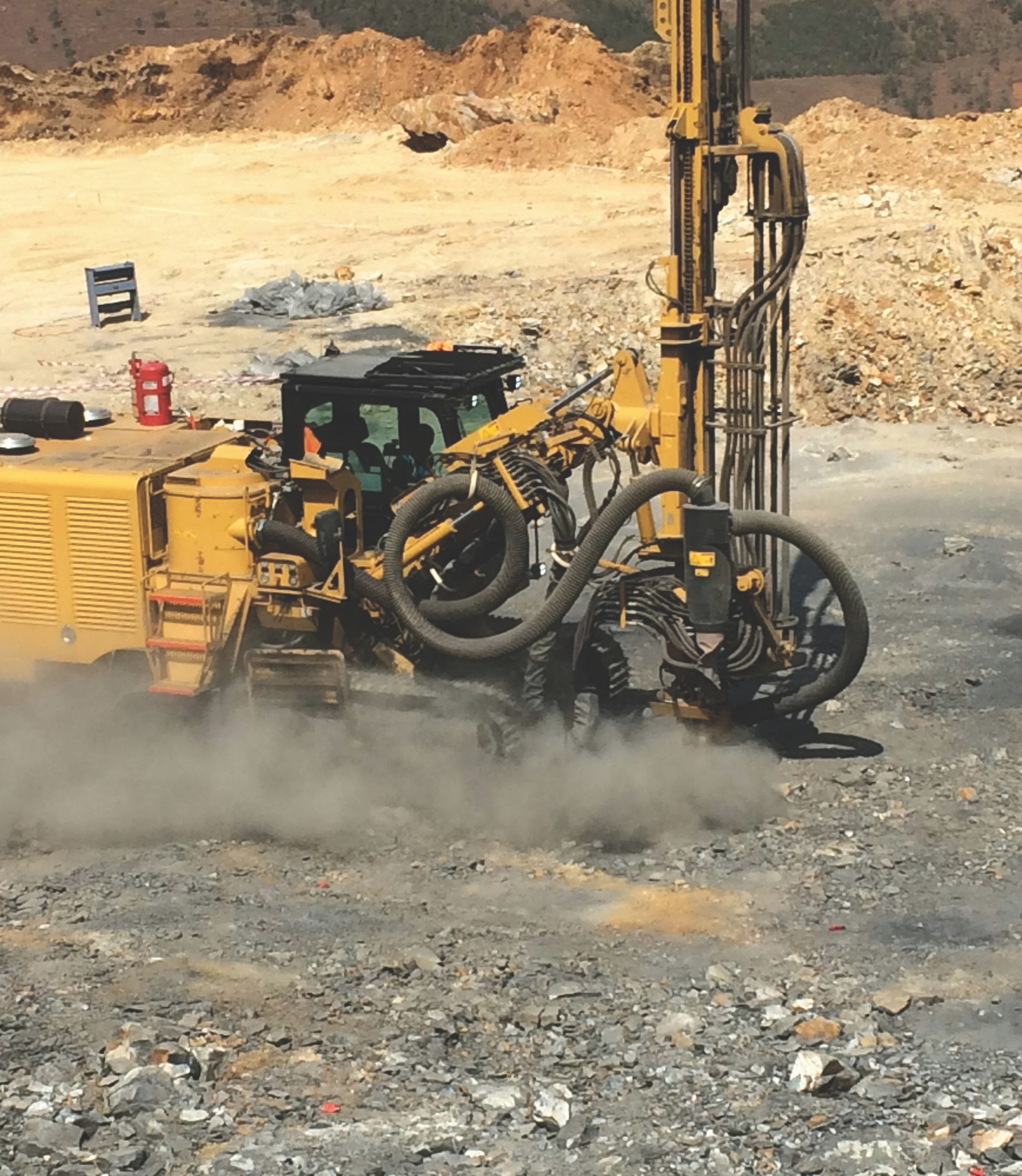
Cobalt is used in the production of rechargeable batteries, such as, in the back of one’s mobile phone or in electric cars. Statistics show that almost half of the world’s Cobalt reserve is in the DRC, and an increasing global demand for Cobalt has had undeniable impacts for those working and living in Cobalt rich areas. Amnesty International asserts that as companies look to expand Cobalt and Copper mines, locals are being forcibly displaced by threat and coercion.
Aljazeera also names the expansion of industrial Cobalt mines as a cause of human rights abuses occurring in the Democratic Republic of Congo. According to the Global Forest Coalition, there are more than 40,000 child miners working in cobalt mines in the DRC.
Furthermore, it seems human rights activists speaking against the corrupt mining practices rife throughout the DRC are being targeted. As reported by Human Rights Watch, an activist in Fungurume (home to the Tenke Fungurume Mine which is one of the largest producers of Cobalt in the DRC) was found dead under suspicious circumstances after denouncing the embezzlement of mining royalties.
At present, the future of the DRC is uncertain. Some view the global increase of Cobalt as an opportunity for the development of safe and responsible mining regulations. Others view it in a more pessimistic way, suggesting that the global demand for Cobalt will add to the continued deterioration of human rights standards in the DRC. One thing that remains clear is that the current practices must change in order to ensure safe working conditions for the local population of the DRC.
Image: Unsplash




Leave a Reply