
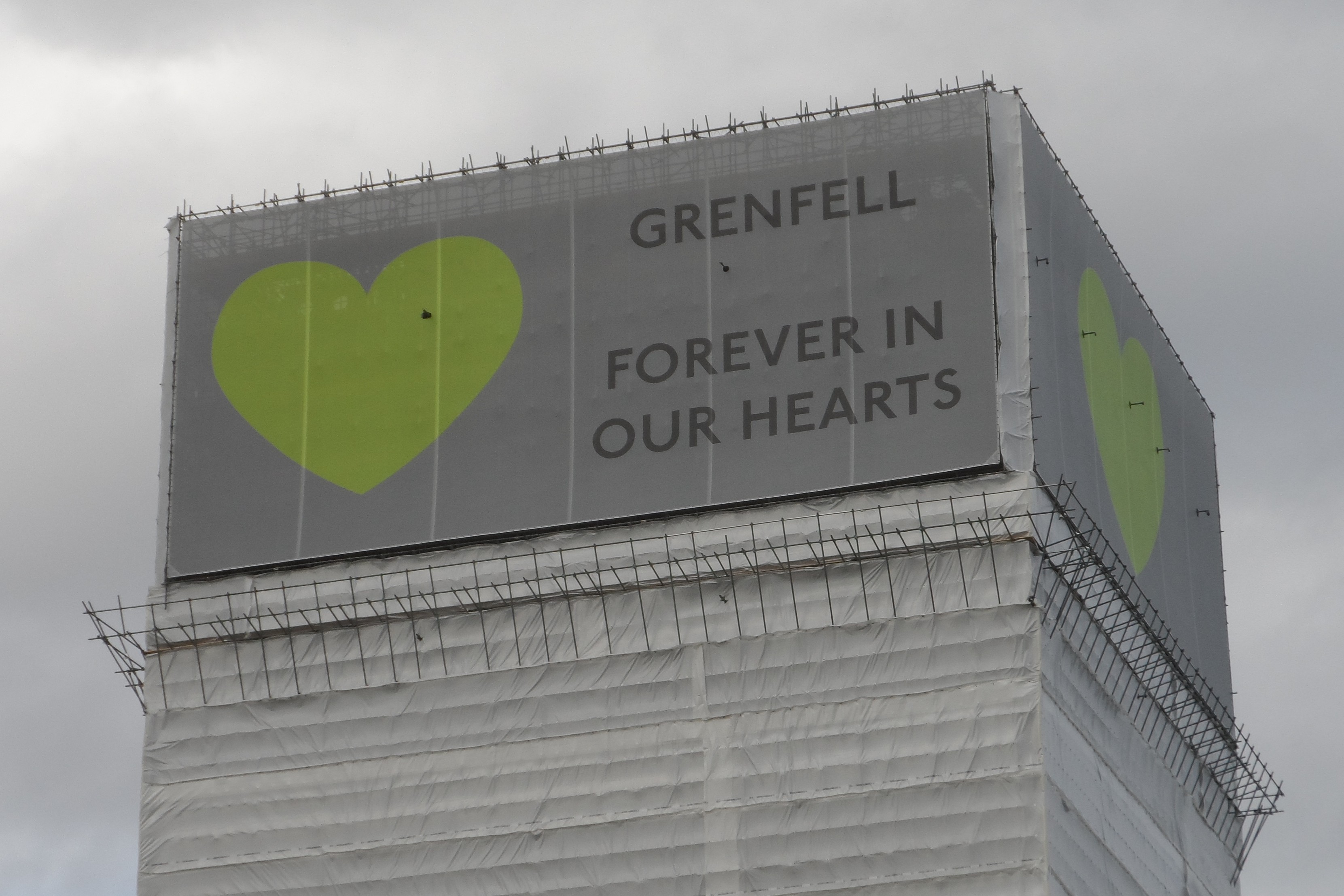
On the night of June 14, 2017, a kitchen fire at Grenfell Tower escalated into one of the deadliest residential fires in modern British history. The fire, which claimed 72 lives, was more than a tragedy—it was a disaster fuelled by systemic dishonesty, incompetence, and greed. Sir Martin Moore-Bick’s final report paints a devastating picture: companies prioritised profit over safety. Victims like Francis Dean, who lost everything, were left waiting for the justice they were promised. ‘Since that night,’ he says, ‘I’ve not been the same person; I’m messed up.’ This isn’t just about the fire; it’s about the betrayal that allowed it to happen.
Seven years later, the 2024 Grenfell Tower Inquiry delivered a damning verdict confirming the disaster was preventable.
At the heart of the fire’s devastation was the combustible cladding that coated the building. Flammable aluminium composite material (ACM) panels—selected to save costs during a refurbishment—allowed the flames to accelerate up the building’s exterior. The inquiry revealed how “systemically dishonest” the companies involved were. Not only did construction companies like Rydon and Harley Facades neglect safety regulations, but the manufacturer of the cladding, Arconic, knowingly sold dangerous materials and concealed test results. Similarly, the supplier of the insulation, Celotex, was just as deceptive, as they manipulated fire test data.
The failures also came from Government bodies like the Department for Communities, who ignored warnings and failed to update safety regulations. The inquiry outlined how, for decades, officials ignored the risks posed by combustible materials in high-rise buildings. Despite the numerous opportunities to act, the government remained complacent, focused on deregulation and cutting red tape at the expense of public safety.
The London Fire Brigade (LFB), too, bears responsibility. The inquiry found that despite the lessons of Lakanal House in 2009, the LFB was woefully unprepared for the scale of the Grenfell fire. Firefighters were not trained to deal with a blaze of such magnitude, nor to handle the flood of emergency calls from residents trapped inside. Crucially, there was no proper evacuation strategy in place, and by the time the stay-put advice was revoked, it was tragically too late for many.
The new government, faced with this damning report, has promised action. Central to its response is the creation of a single, independent construction regulator, a body that will oversee building safety and fire standards. There are plans to overhaul fire safety regulations, banning combustible cladding and enforcing stricter penalties for those who cut corners on safety. A key recommendation is the regulation of fire risk assessors, ensuring that those responsible for safeguarding residents are properly trained and held accountable.
For the families of Grenfell, these promises come after years of heartbreak, but they bring hope that no other community will ever have to endure such a catastrophe. Yet for many, including Karim Khalloufi, whose sister died in the blaze, the wait for justice feels never-ending. ‘Maybe I will die without having justice,’ he said. His words echo the frustration and pain that linger long after the fire’s flames were extinguished. The inquiry that was meant to bring answers has instead delayed prosecutions, forcing families to wait. As the Prime Minister vows to block dishonest companies from future government contracts, one question lingers in the minds of many: how many lives must be sacrificed before we learn the true cost of indifference?
Image Credit: WikimediaCommons



Leave a Reply