
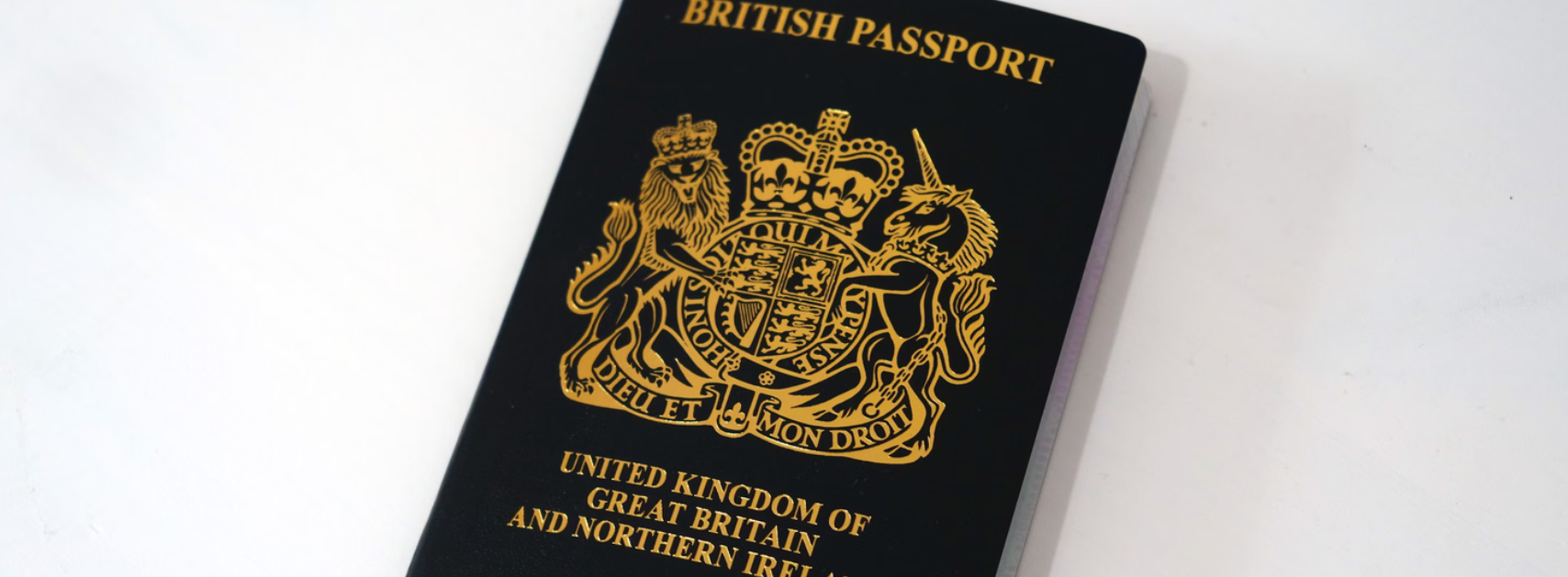
Transitioning is hard, but it is usually boring. You have to explain simple things ad nauseum and deal with documents, papers, and red tape. I had changed my name by deed-poll, but I was yet to get new documentation, and lots of organisations, like UEA, needed a passport to process my name and gender change on their system. I set about getting my new passport – the key to the rest of my social transition.
I needed to gather documents to send to the passport office. First, I needed a deed poll; easy enough. I’d already written and printed out ten copies and had my two witnesses sign each one. I plucked one from my stack. Next, I needed a document from a respected authority that contains my new name to prove I am serious about the process. I emailed the local council, who only needed a deed-poll to process the name change. They sent their reply, I printed it out. Thick official-looking paper. This was all going too well, and based on my experience with transition, I knew something was waiting to disrupt the flow.
I had saved the worst task till last; the passport office needed: ‘a letter from your doctor or medical consultant confirming your change of gender is likely to be permanent,’. The very idea of this document annoyed me; did they think I was doing this for fun? I decided to call UEA Medical Centre, as they had been my only medical practitioners since starting university. My leg was bouncing with nerves. My experiences with trans healthcare before and during university have been soul-crushing to say the least. My last interaction with UEA Medical Centre – right at the start of my first year – ended with a slammed door and stern words. I spoke to a receptionist who told me a doctor would call me back, and when he did, I was told I should speak to the ‘NHS East of England Gender Clinic’. I called them and was placed on the waiting list for a callback. Not bad, I thought. Then, I looked up the waiting list for replies to initial inquiries. 6 weeks.
I waited, and waited, and over a month later I got the call. The conversation lasted a minute or so, as they told me they were unable to work with me without having met me face-to-face (I’m still on the waiting list for NHS hormone treatment and I use a private provider). Back to square one. I got straight back on the phone with UEA Medical Centre. This time they decided they would provide the letter, but I would have to pay £40. I had gotten this far, so – seething – I paid the fee. The document was an email, and aside from the arbitrary ‘to whom it may concern’ and the doctor’s signature, it was only 4 lines long, ten pounds a line. It clarified that yes, they had met me, and that my change of gender was likely to be permanent.
It felt like I was a nuisance to the system, like a hot potato being passed between gloves. I took my first passport picture in March expecting the rest of the process to be quick. It had expired by the time I was finally ready to apply in July. I got a second picture and sent the passport office my documents, and it came back within a week of sending it.
Passports are the highest form of identification, and for this reason vetting is important. However, I can’t help feeling that the reason I had to be so scrupulous in proving that I’m one of the ‘real’ trans people is the same reason I need eyes in the back of my head alone at night. I wonder if it’s the same reason trans people still feel unwelcome in bathrooms, hospitals and gyms. Going through the world as a trans person, you are treated like you have a hidden agenda, like your transition is a means to a sinister end. If the system worked with, rather than against, trans people, I wonder if there would be more compassionate, efficient and effective means of vetting. I wonder if the culture war orbiting trans people, like a fly that keeps dodging the swatter, is the real reason I had to go through this rigamarole.
When asked for a comment, UEA Medical Centre stated, “We do not feel it is a fair reflection of the actual situation, however we feel unable to comment on this article due to patient confidentiality.”
Photo credit: Unsplash



Leave a Reply