
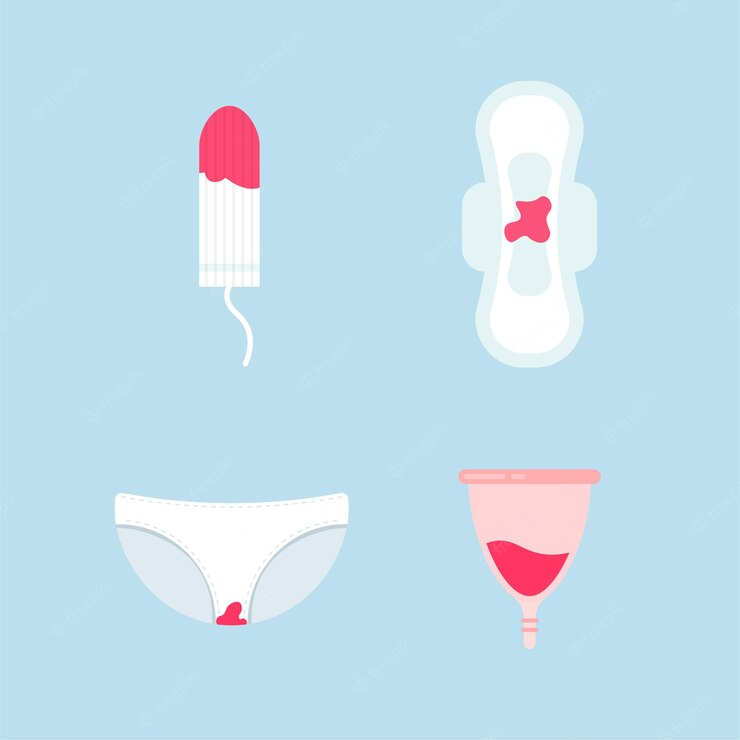
In 2021, the government abolished the “tampon tax”, a 5% VAT on disposable period products. This was an important step in recognising period products as essential items for managing a normal physiological function. However, the cost-of-living pressures wiped out the gains made by this abolition, with the prices for period products doubling in some instances. Many of us have experienced the “emergency pad” made up of toilet roll, however for some this extends past something needed in a crunch. According to ActionAid, more than two million people are struggling with period poverty in the UK, which is a million more than the year before. As such, we have seen a rise in hygiene banks, providing toiletries, cleaning supplies and period products.
Since 2020, the government’s Period Products Scheme has aimed to alleviate period poverty amongst young people in England. This scheme aims to provide state-maintained schools and colleges with period products, including tampons, menstrual pads and period cups. The scheme has been renewed until July 2025; however, it is not a permanent setup. Additionally, this Scheme does not include higher-level educational institutions. Currently, there are no plans in motion to expand the programme towards universities and other communities. Subsequently, there is a reliance on goodwill and campaigning from students to ensure access to free period products around campus.
In recent years, sex and health education has been expanded to include discussions on periods, helping with reducing the stigma around menstruation and addressing misinformation. Feelings of shame perpetuate the feeling that people should hide their period; the overuse of euphemisms is a clear demonstration of this. However, normalising open discussions has been an important step forwards and has given people the opportunity to verbalise their needs and advocate for themselves and their wellbeing, particularly in terms of reproductive health.
Nowadays, how we treat menstruation has been rapidly changing, with Scotland making period products free for all, and Spain allowing workers to take menstrual leave. There is more of a recognition of menstruation as a public health matter that needs to be addressed as such, rather than something to be handled discretely and privately. We are also seeing more types of menstruation products, designed to suit varying needs, including addressing intense pain and excessive bleeding. Moreover, period pants, period cups and reusable pads are becoming more mainstream options for sustainable purchases (environmentally and financially speaking).
Especially amongst younger generations we see changing attitudes, ensuring that accessing period products is no longer being riddled with shame and secrecy. Now, more organisations are stepping up to provide access to free menstrual products openly. This has especially been seen considering the recent cost-of-living pressures.
Currently, the SU offers free pads and tampons in the gender-neutral bathrooms at the Hive. Amongst other provisions offered by UEA to combat the cost-of-living pressures, there are several locations across campus where free period products have been made available:
- UEA Library – in the cloakroom area
- The Student Information Zone at their pick-up point
- The Enterprise Centre – 0.11 female toilets
- Julian Study Centre – 0.07 female toilets
- Laurence Stenhouse Building – female toilets closest to 0.03
- SCI Building – 0.44 disabled toilet
- Union House floor 1 – female toilets near the Quiet Space
The SU offers period cups to students free of charge; they are provided upon request via a form on their website. You can also collect free condoms and period products at the SU offices. For external support, you can download the app MyPeriod to help find your nearest free period product pickup points throughout the country.
Kathryn Redfern, the Head of Advice and Welfare at UEA, emphasised that students can get in touch with the advice team if they have any concerns and the advisors are able to offer confidential, non-judgmental support and access to resources and information.
Image Credit: WikimediaCommons




Leave a Reply