
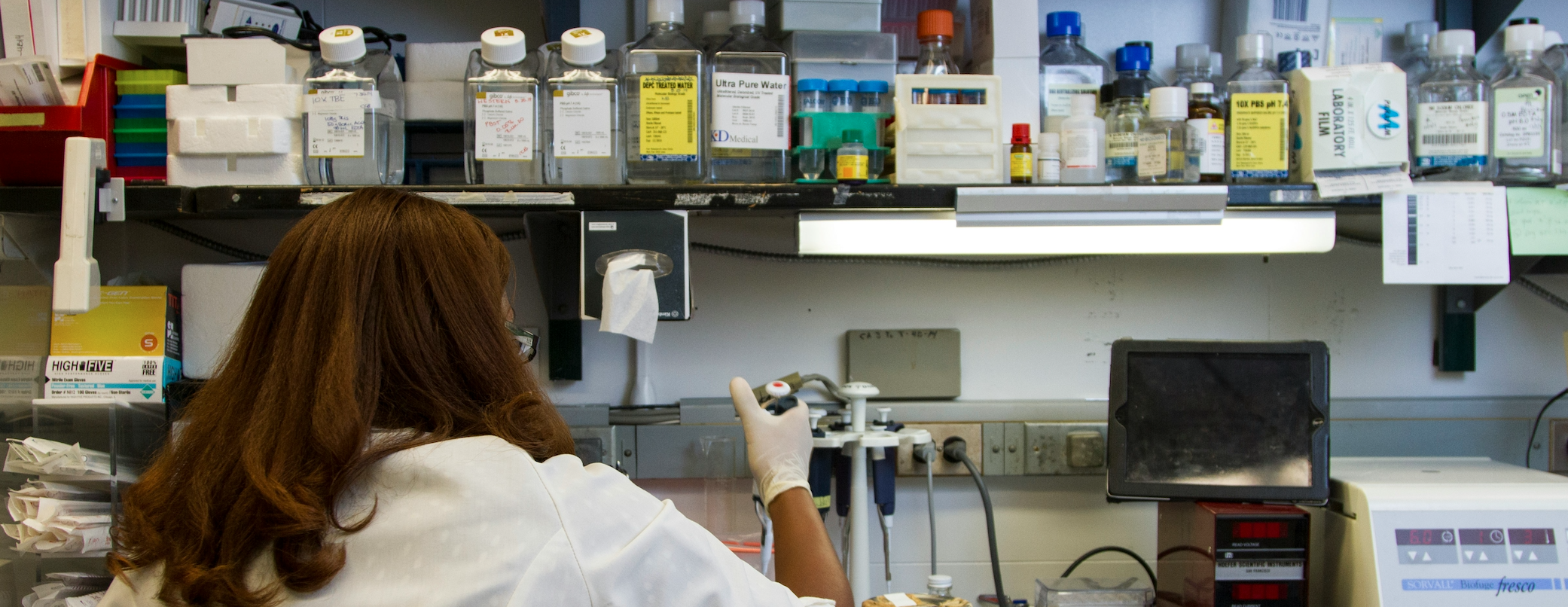
Like Spotify Wrapped, but make it science! So let’s lean in to that format and look back at the science highlights from the year – in both your favourite student newspaper (the Rat One wasn’t official) and beyond! Spoiler alert: it’s been a great year!
The Hits
Truckloads of science happened this year. Like, so much. Here are some highlights:
- The UK has approved of the use of CRISPR (a gene editing tool) as a potential cure for sickle cell disease and thalassaemia – the first country in the world to do so. It feels like the term has come full cycle, having written about (the amazing) Dame Elizabeth Nneka Anoinwu’s establishment of centres for the counselling of the diseases in 1979 (combatting the lack of care for the disproportionately African affecting illnesses) 2 months ago, and now there is an approval for a potential groundbreaking cure. It’s truly awesome to see her amazing work continued.
- Are pigs flying? No! They’re giving us kidneys! The Massachusetts General Hospital transplanted a genetically-edited pig kidney into a 62-year-old man with end-stage kidney disease. This marks another milestone in the quest to end huge transplant wait times and to save and improve lives. Irrelevant, but interesting, the same hospital complete the first penile transplant in 2016 – what will those crazy cats do next?!
- After 40 years of research into fusion energy (energy produced by the formation of elements fusing together to make a heavier one – the same energy that powers the sun) -the Joint European Torus facility in Oxford broke the record for amount of energy produced in a man-made fusion reaction at 69 megajoules of energy in five seconds. Being enough to “heat five baths”, we aren’t CLOSE to widespread power production, but we are now closer than ever before!
The Deep Dives
Behind every punchy headline peers a proper interesting story worth exploring! Some of our favourite in-depth articles this year have included:
The ongoing history of deep-sea exploration (By Daisy Lester)
Caffeine Chemistry – an in-depth ode to that addictive substance openly available (and delicious) around campus! (By Zoe Crighton)
And finally, a deep dive section would never be complete without the incredible ongoing series of insightful and interesting articles on psychopoetics. Shout out to Online Editor Ella Pamment for sharing her incredible knowledge on the subject, enlightening us on prototypicality, [other], and soon, [other]!
Missed any of these? Catch them all on the Concrete website – perfect for when your pomodoro has finished and you’re on your next 5 minute summative break!
The Big Themes
It was a huge year for space exploration, with NASA’s OSIRIS-REx returning samples from the Bennu, the asteroid heading straight towards Earth (don’t worry, there’s only an 0.5% chance of collision, and not till the year 2182 *touch wood*), the Indian Chandrayaan-3 mission landing on the lunar south pole (a world space first), and the first close-up of a outer galaxy star was taken in Chile by (my favourite fact of my science tenure) the Very Large Telescope. New favourite telescope name just dropped.
It has also been a massive year for AI, with it massively accelerating the rate of drug discovery, assisting in the modelling of extreme weather events (which are awfully increasing in number) and the first landmark legislation released to govern the use of the technology (reported on, funnily enough, right here in the Concrete!). With the highly focused (and valid) downsides of AI, it can be easy to forget it is insanely speeding up a lot of discoveries and assisting in many fields – not just poorly generated parent bait pictures – but areas which save lives and make the world a better place. So next time you get drawn in to one of those REALLY WEIRD anthropomorphic cat videos on Instagram (I envy you if you don’t know what I’m talking about), know that humanity isn’t completely wasting its resources and technology.
Numbers Game
A rapid fire round of numerical facts!
- Since the new Concrete team took over in the summer, we’ve published 15 different interesting science articles, covering everything from caffeine to COP29. Read them (and other cool articles) here!
- The Iberian lynx population has increased massively to 2,021 from a low of 62 in 2001, and has been removed from the International Union for Conservation of Nature’s endangered list! Love to see it!
- 2 new satellite galaxies of the Milky Way (Sextans II and Virgo III) were discovered!
- They found 205 novel genes associated with depression (during a review of 21 studies with almost a million participants), which could aid in anti-depressant development, which I am not sad about!
- The Ingenuity (nicknamed Ginny) helicopter from NASA has retired after 72 successful flights on Mars.
University Spotlight
We highlighted some great events and research at the university this year, but didn’t nearly have enough time for all of it! Some really awesome UEA lead projects we didn’t quite have time to talk about were:
- The identification of the plant gene which produces DMSP – a novel anti-stress molecule which helps plants grow in stressful conditions. Giving plants more DMSP can help them grow in tough conditions, which could hugely benefit agriculture in particularly dry or wet climates, and nitrogen-poor soil.
- The UEA contributed to the design of a hydrogel which stabilises proteins even above room temperature, which could reduce the use of energy intensive cooling methods and help to ease the challenges of working with these proteins in uses such as protein therapies for a wide range of conditions like diabetes and cancer. The hydrogel traps the proteins in a network of stiff fibres – stopping hem from mixing and preserving them. The research enables the proteins to be stored without any additives at room temperature, with is a “really exciting prospect”.
- The UEA and Plymouth Marine Laboratory led research finding that the Southern Ocean absorbs 25% more CO2 than previously estimated. Using CO2 flux measurements between the atmosphere and ocean shows the ocean plays a far more significant role in carbon capture than previous models suggested. Along with gained understanding, the research highlights the importance of this specific kind of shipboard ocean data collection, which has been decreasing in recent years.
Not to forget for the festive season, the Christmas Lectures for Children put on by the university. This year, the theme is “ho-ho-how do they do it?” looking at how our favourite cinema classics! Previous years lectures are up at: for your festive viewing pleasure.
Looking Ahead
What to look forward to in the new year? The UN has declared 2025 the International Year of Quantum Science and Technology, marking 100 years since the discovery of quantum mechanics (a theory describing behaviour of stuff at or below the scale of atoms). The field has been advancing rapidly (with scientists building a quantum computer using a single photon in 2024), and the celebratory year will be dedicated to making the topic more approachable and understandable. In terms of specific events, the Venus Life Finder is expected to reach Venus, searching for signs of life on the planet.
In local news, the Norwich Science Festival has announced it’s headliners this year, with THE Steve Backshall topping the list. Deadly 60 Steve Backshall! Amongst the jam packed schedule also lie big names such as former Principal ballerina Dame Darcy Bussell, Professor Ben Garrod, and CBeebies’ Jess French! Tickets are up and there’s something for everyone, so make sure not to miss out and get them early!
Of course, we can’t reveal any of the great research that will be released from the university next year, but you can rest assured that you’ll be hearing about it when we can!
What a great year, for The Concrete and science at large. I, for one, can’t wait to see what the next 12 months have for us!
Photo Credit: Unplash

Leave a Reply