
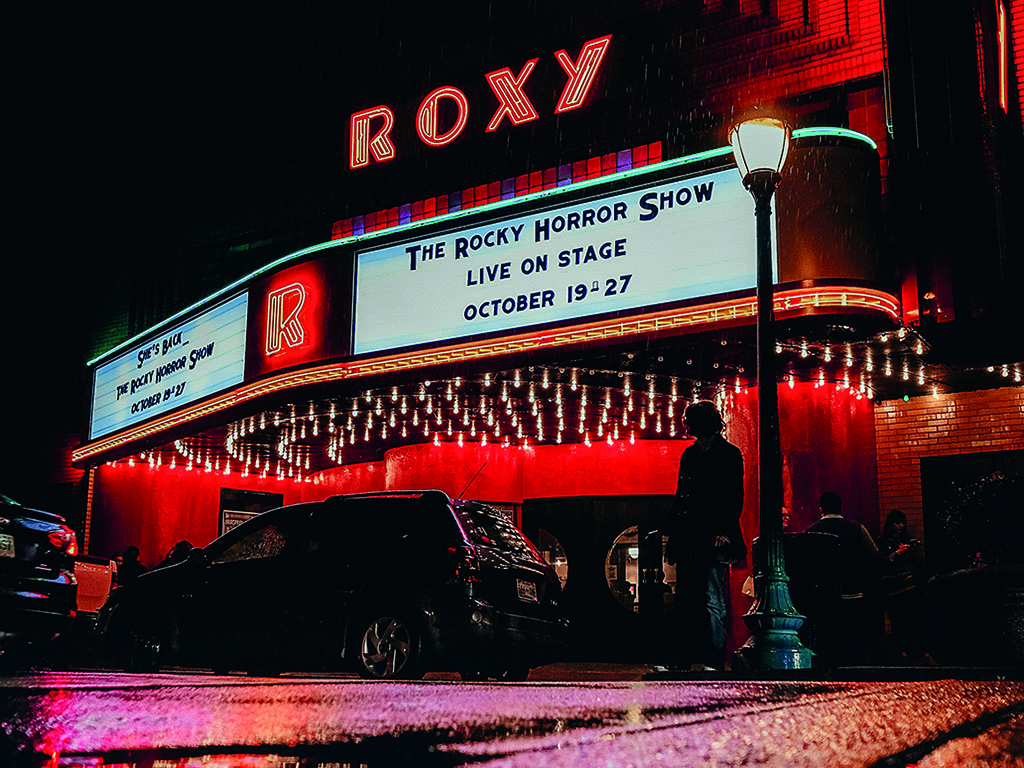
The stage musical The Rocky Horror Show (which later inspired the 1975 film of a similar name), remains one of the most iconic theatrical expressions of queerness. From its camp aesthetic to its transgression of social norms, Rocky Horror holds a pivotal role in LGBTQ+ representation, not just on the stage, but across the arts in general.
Before we delve into what makes Rocky Horror so profound in its expression of LGBT identities, we must consider why theatre itself is a vital way of portraying queerness. The answer is this: live settings allow viewers to become intertwined in the spectacle before them, blurring lines between actors and audiences. When watching a film, for example, viewers are presented with a very rigid border between themselves and the action on screen – audiences are in a completely different setting — a completely different dimension, if you will. However, watching a story unfold in a theatre creates an immediate connection between performers and their audiences, allowing viewers to witness authenticity in a way film (or other media) cannot replicate. This makes the stage fertile ground for showcasing marginalised identities as audiences are more likely to connect with the struggles and celebrations of queerness narrated directly in front of them.
If the stage makes everything performed on it so special, why is Rocky Horror considered to go above and beyond in this respect? There is no simple answer, but it seems logical to start with whom is considered the play’s most iconic character: Dr. Frank-N-Furter. Undeniably magnetic, the flamboyant Frank-N-Furter subverts the ‘villainous queer’ trope historically used in the arts to depict LGBTQ+ characters as perverse and/or morally corrupt. Though he acts ‘badly’ in some moments of the play (such as in his manipulation of Brad and Janet), Frank-N-Furter has an unapologetic authenticity and unbridled creativity that means it is difficult to categorise him as a villain. Instead, he is portrayed as a complex anti-hero, someone that audiences can admire and celebrate due to his unashamed embodiment of gender fluidity. Moreover, his final moments on stage expose a vulnerability within his eccentric personality. His performance of “I’m Going Home”, a song where he yearns for belonging and acceptance, generates sympathy from audiences, likening him to a tragic figure rather than a character built out of pure antagonism. This glimmer of weakness offers an explanation for his somewhat villainous actions: his ‘badness’ is nothing to do with his queerness, but is rather a product of societal rejection. Through Frank-N-Furter, Rocky Horror transforms harmful stereotypes into a compelling emblem of queer empowerment. Rather than fostering fear among audiences, viewers are encouraged to celebrate Frank’s individuality, making him an irreplaceable theatrical queer icon.
Another crucial aspect of Rocky Horror that makes it the renowned celebration of queerness that it is today is its extraordinary camp aesthetic. Meaning “heightened artifice, affectation, and exaggeration, often with a playful or ironic element”, camp is historically rooted within LGBT culture and Rocky Horror uses this like no other. The characters’ costumes are constructed around fashion trademarks of camp: corsets, fishnets, stockings, etc. These are used to blur gender binaries, subsequently fostering a joyous and subversive celebration of camp fashion and queer culture. These wild and innovative costumes add an extravagant flair to the play’s dance numbers, creating a flamboyant visual spectacle that is hard to replicate anywhere else. By going full-throttle with its campiness, Rocky Horror allows itself to explore queerness in a way that is empowering, disputing heteronormative ideas that LGBT identities should be palatable in order to be respected. It is this unique aesthetic that transforms the play from a mere, slightly bizarre, narrative into an exuberant honouring of cultural defiance that thrives on the stage.
Since its first performance in 1973, The Rocky Horror Show has had a lasting cultural impact, becoming iconic in wider society as well as within the queer community. Before even hearing of Rocky Horror, I vividly remember dancing to ‘Time Warp’ at my primary school discos! Rocky was a part of my life before I even knew it, fundamentally attesting to its theatrical greatness. Ultimately, Rocky Horror’s timelessness can be attributed to its unashamed desire to be itself. The play revels in its queerness, it does not apologise for its chaotic plot, its absurd characters, or its radical rule-breaking. It is this very quality that not only makes The Rocky Horror Show an astounding play, but also the best expression of queer culture on the stage.
Photo Credit: Unsplash



Leave a Reply