
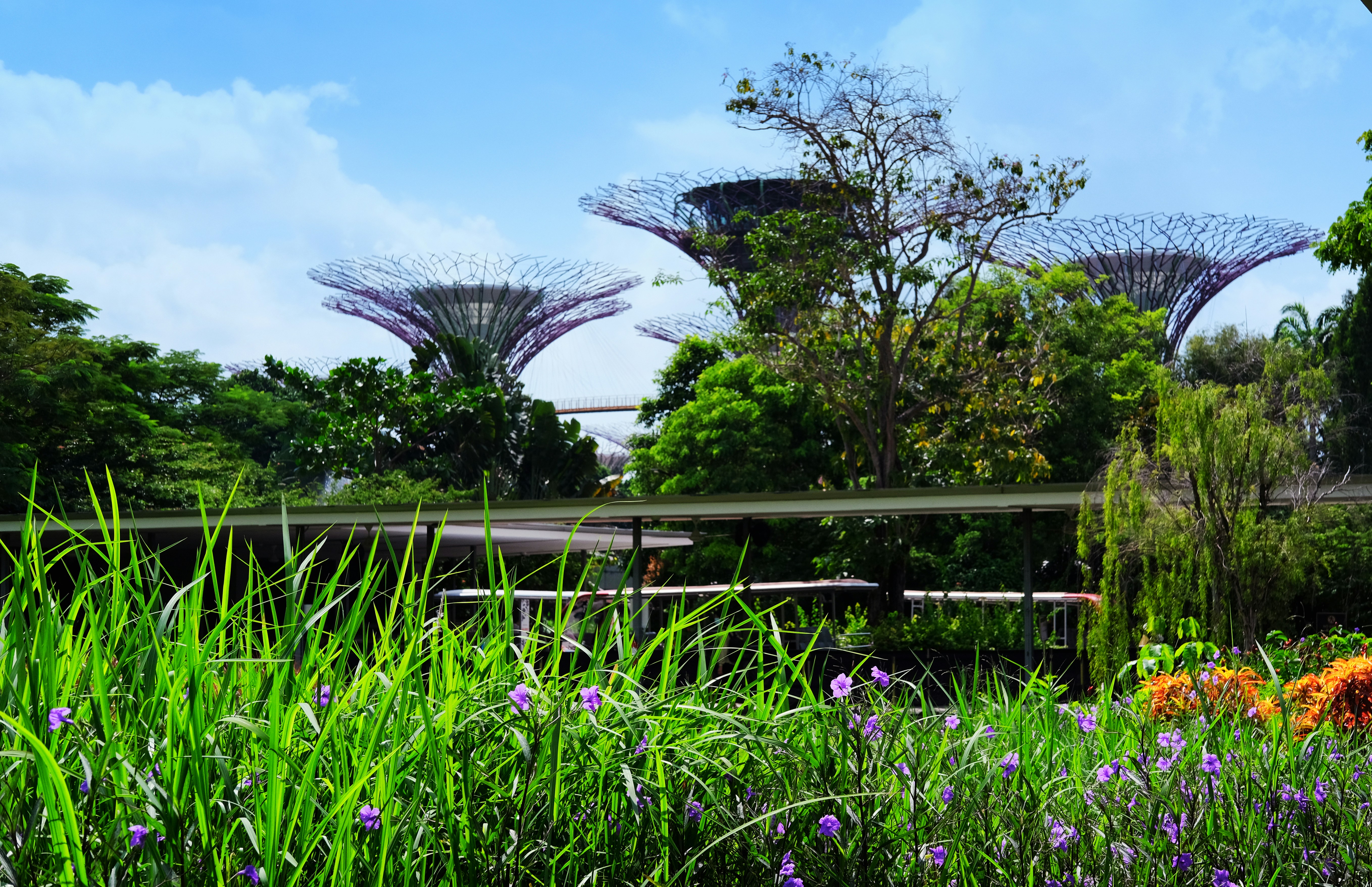
Throughout Singapore, more than a dozen new gardens have sprung up. In many ways, they are much like many of the other city parks.
They feature beautiful scenery, fragrant flowers, butterflies, bugs, and plenty of benches to sit on. However, these features have been carefully curated with the help of neuroscientists and psychologists.
Singapore’s new therapeutic gardens are designed with evidence-based research to put the experience of visitors with autism, anxiety, ADHD, depression, and dementia at its centre.
The gardens are curated to maximise accessibility for all ages and create a positive experience. All of the gardens include wide pathways for wheelchair users, distinct plant zones encouraging sensory experiences, and raised planters to increase accessibility. The individual parks are all designed with special features.
For example, the therapeutic garden at Sembawang Park includes special active and passive zones modelled for children and adults with ADHD. Yishun Pond Park is located next to a major hospital. It features outdoor rehabilitative equipment and holds gardening activities for senior citizens.
A recent scientific study has concluded that Singapore’s gardens are making a positive impact. Individuals with depression reported a higher boost in mood after visiting HortPark compared to regular urban green spaces. The study determined making similar gardens available throughout the city could be a helpful supplement to boost city-wide wellness. Other international studies on therapeutic gardens have found that the spaces reduce stress, help regulate emotions, and even reduce body inflammation.
Development for the parks began in 2015. Since then, sixteen parks have been open out of the thirty planned. This is part of larger initiatives by Singapore that have been focusing on eco-tourism and developing a reputation for wellness tourism. The National Parks hope to plant one million trees by 2030 and are halfway through their goal. Meanwhile, the Tourist Board shared its plan to invest in more mental health and accessible activities.
These gardens are also part of an international shift in the tourist industry towards thinking about the needs and experiences of the elderly, especially those with dementia. The governments of England and Scotland have both published dementia-friendly tourist guides. And in Australia, some national parks feature dementia-friendly trails.
According to the Global Wellness Institute, the international wellness economy was worth 6.3 trillion dollars (4.73 trillion pounds) in 2023. They estimate this number will reach 9 trillion by 2028. With the industry on the rise, the financial incentive to jump onto this trend will increase. Singapore’s therapeutic gardens are a wonderful example of wellness goals, making tourism accessible with attractions specifically designed for the enjoyment of the elderly, neurodivergent, and disabled people of all ages at its heart.
Photo credit: Ramlee Ibrahim




Leave a Reply