

Once upon a time, reading used to be quiet, solitary act. Books tucked away in a bag, reading with a lamp lit late at night. But now, it’s more of a performance. Our bookshelves are reflections of our Instagram and TikTok feeds. A single viral video can turn a semi-popular novel into an international phenomenon overnight.
Welcome to the age of BookTok, Bookstagram and BookTube, where social media has transformed reading from a quiet pastime to a global experience.
The viral bestseller
A lot of authors have social media to thank for their books going viral. For example, when Madeline Miller’s The song of Achilles went viral on TikTok in 2021 (almost a decade after its publication) it suddenly became a must-read for millions.
Kate Robinson, a first year English Literature with Creative Writing student says “I have found many books online; it helps find books worth your time. It helps make certain books successful.”
Publishers and bookstores have caught onto this. Major houses now send early copies directly to influencers, like Haly Pham or Sara Corrolli. They even use TikTok trends to market these books to readers. In many ways, social media platforms have become a new way of ensuring literary success.
Reading by algorithm
Most of us have been raised in a generation of scrolling. Algorithms are shaping not just what we read, but how we read. TikTok’s ‘For You Page’ is like a virtual bookstore tailored to yourself; your feed constantly coming up with new recommendations. How is there always a book you want to add to your TBR? Well, these algorithms follow you closely. If you like one TikTok about a viral book, for example Fourth Wing by Rebbecca Yarros, suddenly the book is in your Amazon basket.
Maria Siddika, second year Broadcast Journalism student, observes, “people turn to social media for book recommendations because it’s easy and accessible. It feels like getting suggestions from people they trust.”
The idea of the algorithm picking books we are interested in raises the question: are we broadening our horizons or narrowing them?
An investigation by the Guardian found that there has been more than a 71% increase in Gen Z going to libraries within the last five years. While social media has undeniably made reading more popular among young people, it also creates a domino effect where everyone is reading and reviewing the same books.
Reading as identity
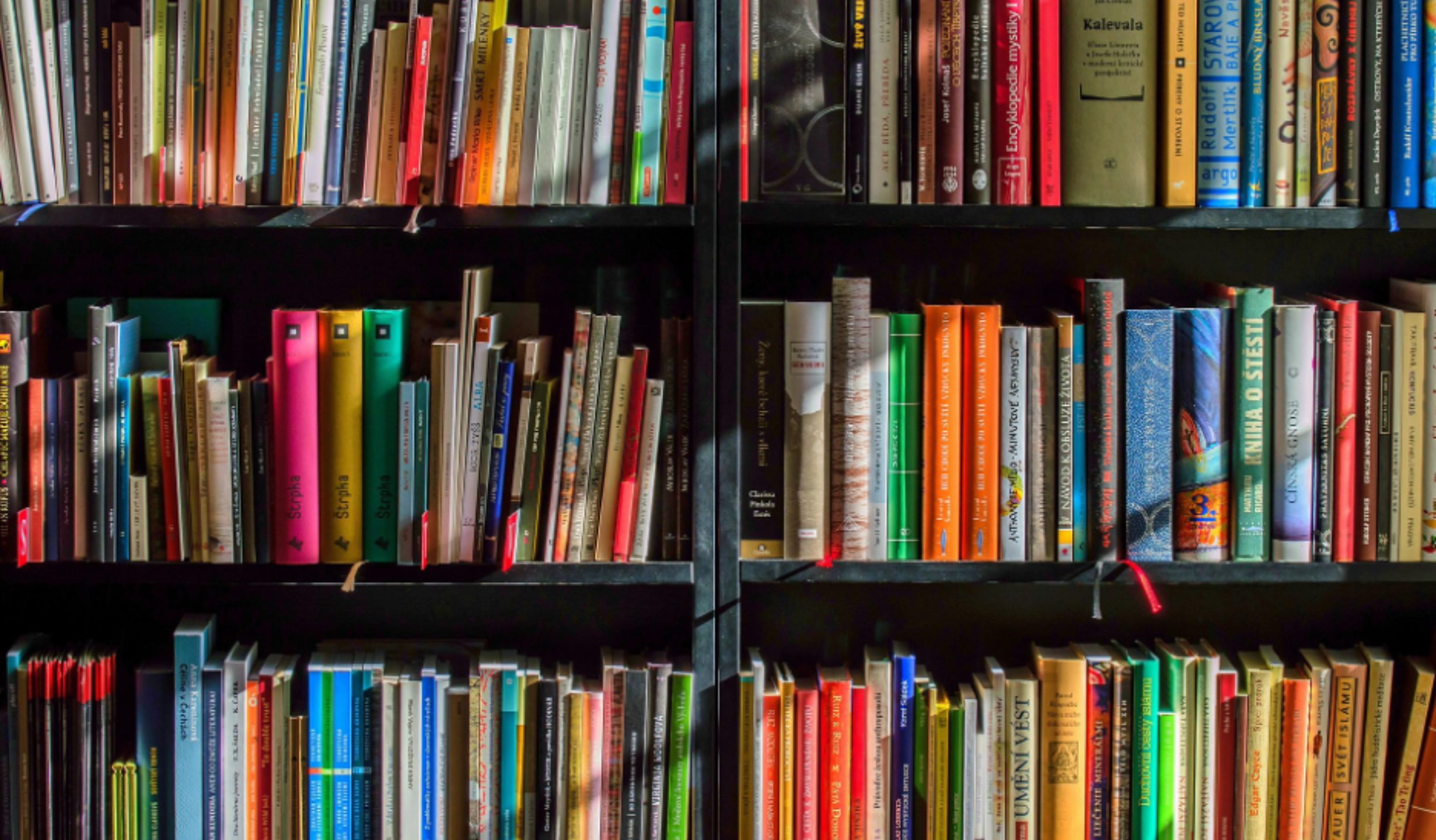
On social media, reading isn’t just a hobby, it’s an aesthetic. With people posting their colour coded bookshelves, ‘What I read in a month’ YouTube videos, their TBR piles being hundreds of books.
Ella Coulby, first year Creative Writing student, notes, “if there are people whose recommendations you trust, there is more of a range. A video can fully explain the mood and atmosphere of a book. The person [making the video] can provide more information than you would ever get from a blurb.”
However, this isn’t all bad. Reading has become popular again, saving bookstores, libraires, and print books.
An investigation by The Telegraph found that Gen Z now make up 18% of the UK book market, spending 496 million pounds on books as well as buying 61 million books per year.
Now that reading and books are becoming more mainstream in youth culture; this has encouraged countless people to pick up books for the first time in years.
The future of reading
Social media hasn’t killed reading; it has reinvented it. The way we engage with books through clips, quotes, fan pages, and more reflects a new kind of literacy, one built on connection rather than solitude.
Maybe it’s okay that our reading habits have changed. Whether you discover your next favourite novel through a TikTok trend or a dusty library shelf, reading and being lost in the world of words remains the same.
After all, maybe a 15 second video can inspire someone to read 400 pages.
Photo credit: Ella Stone




Leave a Reply