
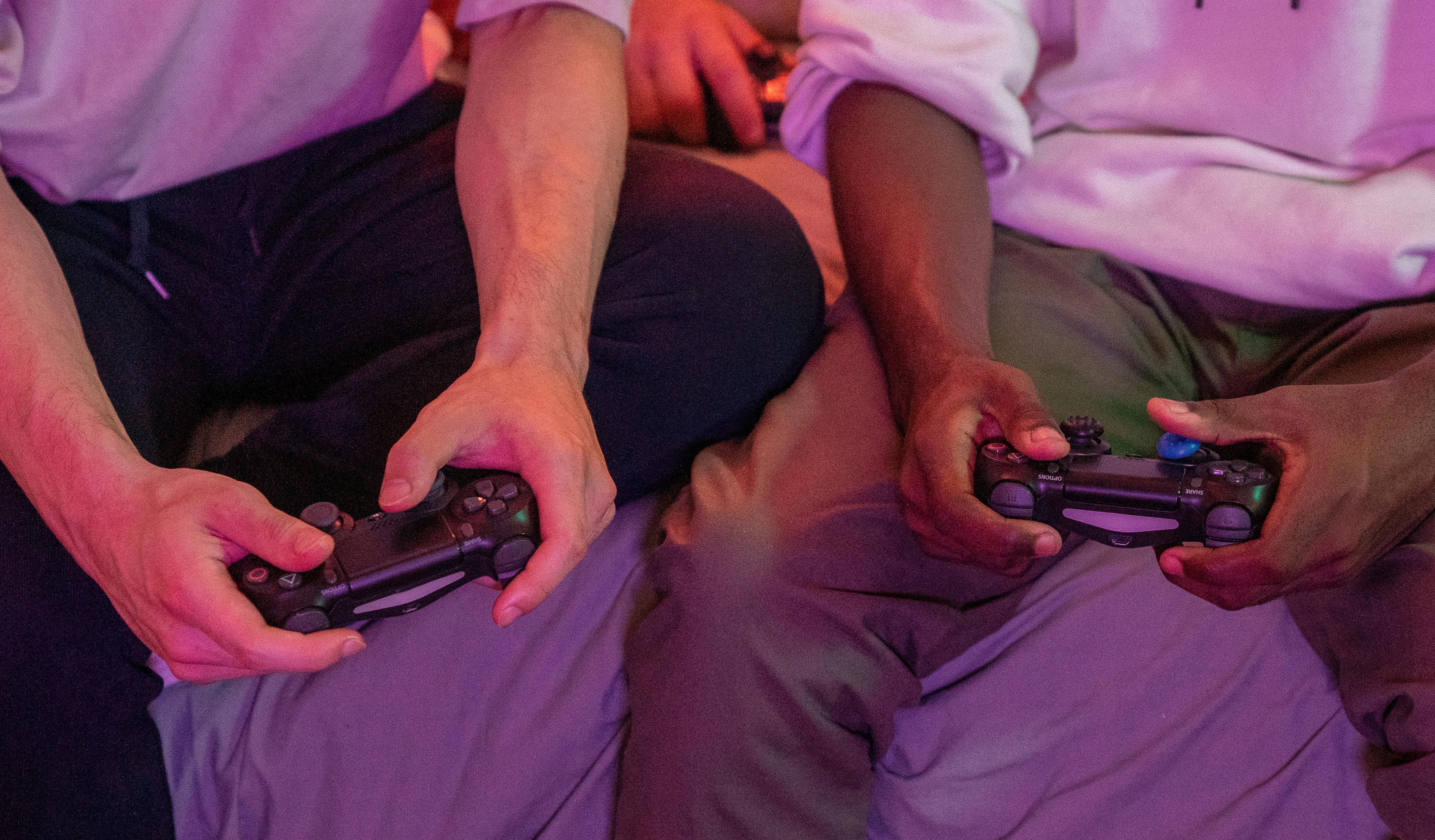
Compared to other mediums, video games offer a unique way to explore romance and relationships. Through player agency and genre-spanning systems, games have created a broad range of memorable love stories, and this article highlights several of them.
There are story-driven games where the player has no control over the direction of the narrative, yet still feature beloved romances.
A personal favourite is Elena Fisher from the Uncharted series, described by series creator Amy Hennig as the “female version of Drake,” the protagonist and player character. The studio behind the series, Naughty Dog, used motion capture for its cutscenes, and much of Nate and Elena’s charm comes from the chemistry between Emily Rose and Nolan North.
However, the sequels repeatedly return to the same beat of repairing their fractured relationship. Uncharted 3 is the worst offender. Elena barely appears, entering only in the third act and playing a minimal role.
Uncharted 4 improves on this frustrating repetition. Chapter 17, For Better or Worse, is a brilliantly designed sequence that combines sombre music, callbacks to the jungle levels of the original game, and the consistently strong performances of Rose and North. The result is a melancholy journey as they work through years of baggage, giving their relationship a sense of realism in a series that often veers into the supernatural.
This lack of player agency has often led fans to take matters into their own hands by creating ships between characters.
A notable and enduring example is Master Chief and Cortana in the Halo franchise, particularly in how their relationship evolves across each entry.
Another frequently shipped pairing with tangible narrative evidence is Leon Kennedy and Ada Wong in the Resident Evil series, primarily in entries 2, 4, and 6.
While these romances are fixed within their narratives, many games place love directly in the player’s hands. These often involve ensemble casts and romance options that can influence story outcomes and character fates.
Baldur’s Gate 3, for example, offers remarkable depth. Each companion is woven into the central plot, and player choices lead to different thematic explorations and emotional consequences.
Astarion, Shadowheart, Karlach, Wyll, and the rest have quickly become beloved characters, though the game is only the most recent example of this approach.
In the Mass Effect trilogy, the Fire Emblem series, Dragon Age, and Cyberpunk 2077, romance has become a standard system within sprawling RPG ensembles.
While more intimate in scope, The Witcher 3: Wild Hunt famously presents players with a debated choice between Yennefer and Triss, although some argue there is a canonically correct answer.
Many of these RPGs rely on dialogue trees and branching choices to advance romances. Others take different approaches.
In Hades, relationships develop through increasing bond levels, essentially strengthening connections with characters like Megaera and Thanatos.
Stardew Valley centres its romance system on gift-giving. Eligible villagers remain single until their heart level reaches eight, and without consulting a guide there is genuine jeopardy in offering the wrong item.
Haley loves fruit salad but hates wild horseradish. Sebastian adores Void Eggs but despises Farmer’s Lunch. The risk encourages players to learn who these characters truly are and invest personally in becoming their friends.
In the previous examples, romance complements other gameplay systems. However, there is a genre that focuses entirely on romance: dating sims.
Date Everything! features over one hundred romanceable characters, all anthropomorphised household objects. As unusual as that sounds, it is not the strangest example.
Titles such as Raptor Boyfriend: A High School Romance and Hatoful Boyfriend centre on anthropomorphised animal love interests and even literal pigeons.
Games have also shown an ability to explore the darker side of romance. Doki Doki Literature Club! examines unhealthy obsession and where it can lead, including manipulation, confinement, and murder. It interrogates tropes such as the yandere, often found across romance media, and intensifies them by giving the player an active role in the story.
Compared to novels and film, video games are still a relatively young medium. Developers are only beginning to explore the full potential of player agency in depicting universal experiences such as romance. Yet even in that time, games have created an iconic array of love interests and relationships that feel more personal to players because they help shape them.
Image Credit: Pexels





Leave a Reply