
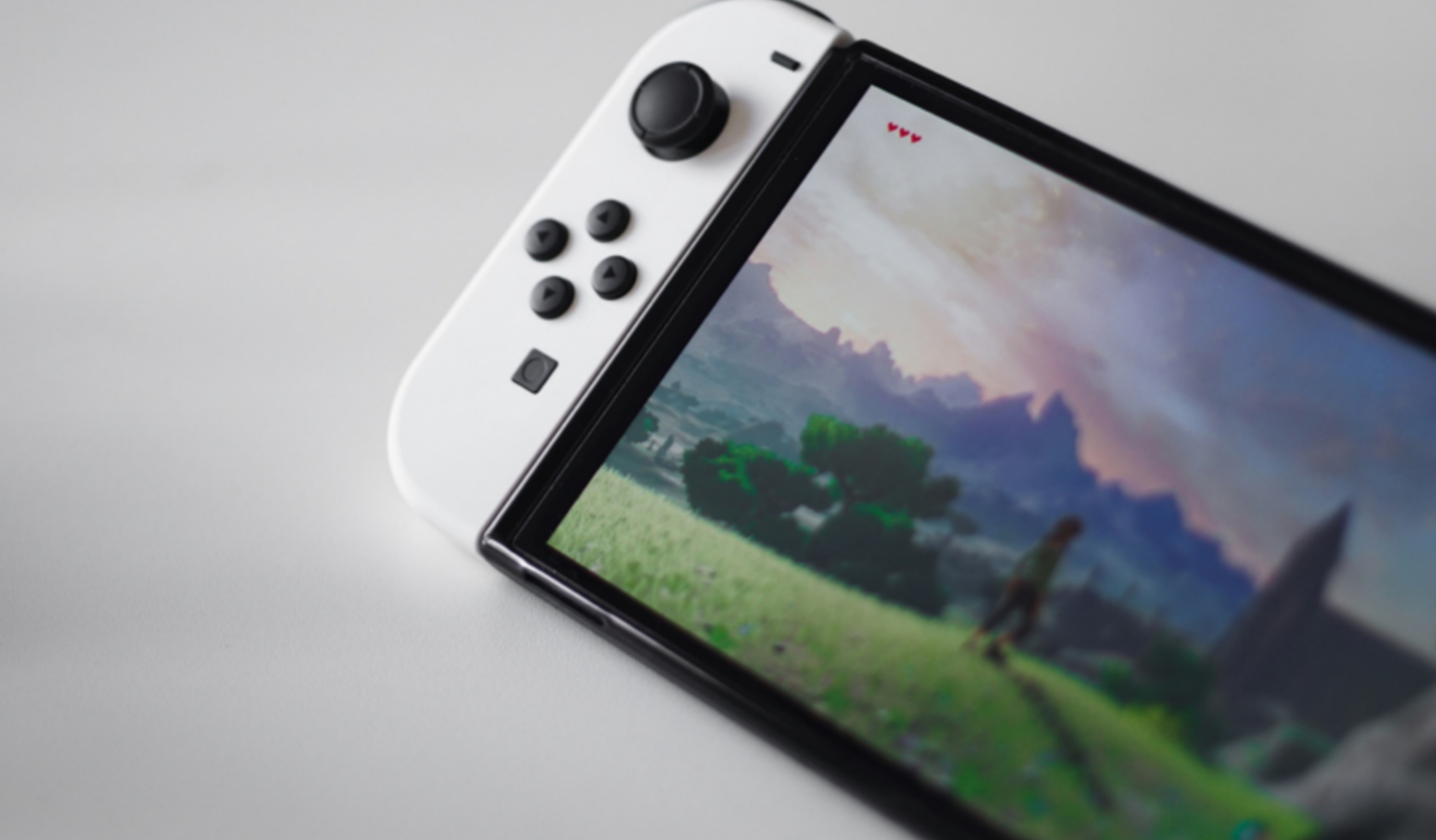
The key reason The Legend of Zelda: Breath of the Wild is my favourite game ever made is its open world. Few gaming experiences have come close to the feeling I had when I first played it nine years ago.
I got a real sense that the world was open for you to explore in any order, at any time, with endless possibilities. People are still finding new details and new ways to use the powers you unlock.
I certainly did, sinking tens of hours into exploring Hyrule. That year, my grades at school suffered as a result.
It was the right game at the right time. What called to me was the sense that the world itself was the real story. All the little details combine to create a rich tapestry of locations that begin to feel almost real.
I would often go on walks with my family with the game’s ambient soundtrack playing over and over in my head.
What makes it even more remarkable is that this was achieved on Nintendo hardware, which is famously less powerful than PlayStation and Xbox consoles.
In recent years, the discussion around open-world video games, particularly those developed in AAA studios, has turned more negative.
A useful question to ask is what actually defines an open world. Is it a phrase used too often for too many games?
How open does a world need to be to be classed as one?
The core definition is freedom, with the player presented with many options to explore the world and approach different quests.
Often, there is plenty to do even after completing the main story, and 100% completing the game can take even longer. It’s something I have never managed, largely because there are so many open-world games I would like to play, and I only have so much time.
I have started to feel that once you have seen one open-world video game, you have seen most of them. For years, I wanted to play Horizon Zero Dawn, a game released in the same week as Breath of the Wild, so to me, it has always been in its shadow.
Horizon is a great game, but the further I progressed, the more I got a feeling of déjà vu. The excitement I felt when I first saw the map hidden by fog quickly faded as I uncovered it and realised there was less variety than I had expected.
There are also a few game design decisions that started to hinder my enjoyment. The side quests became repetitive, and the NPCs you receive them from repeat the same lines as you pass, which quickly became frustrating.
Experiences like this made me wonder whether the issue goes beyond individual games and reflects a wider problem within the genre.
The Elder Scrolls V: Skyrim still has a huge influence on open-world games fifteen years after release. While remastered editions have helped maintain its popularity, its design has also shaped much of what open-world games look like today.
Many modern games follow similar structures popularised by Skyrim, from map markers to checklist-style objectives. As a result, worlds can begin to feel less distinctive, even when they look visually impressive.
At the same time, the success of indie titles such as Hollow Knight and its sequel, Silksong, shows there is still an audience for games that feel distinct and new.
People have been burned one too many times by games promised to be massive and immersive, only to launch with bugs and worlds that feel empty. Fallout 76, No Man’s Sky, and Cyberpunk 2077 are some of the most well-known examples, all built on promises the development teams could not meet in time.
Cyberpunk’s launch in particular was infamous enough to damage the reputation of CD Projekt Red, and there is still a lot of trepidation surrounding their next instalment in The Witcher series. Many fans would now rather wait for extra polish than see another rushed release.
This is more of an indictment of conditions within the industry, particularly within AAA studios.
To the credit of the teams behind these games, they have continued to provide updates, and many are now closer to what was originally promised.
However, most have not had the same level of attention since launch, so the lasting memory is still shaped by those first impressions.
So there are signs of fatigue when it comes to open-world games. However, there are also clear signs that people still want to play them, particularly in the indie scene.
With their offers of freedom and choice, I don’t think players will ever become properly tired of them.
Image credit: Unsplash




Leave a Reply