
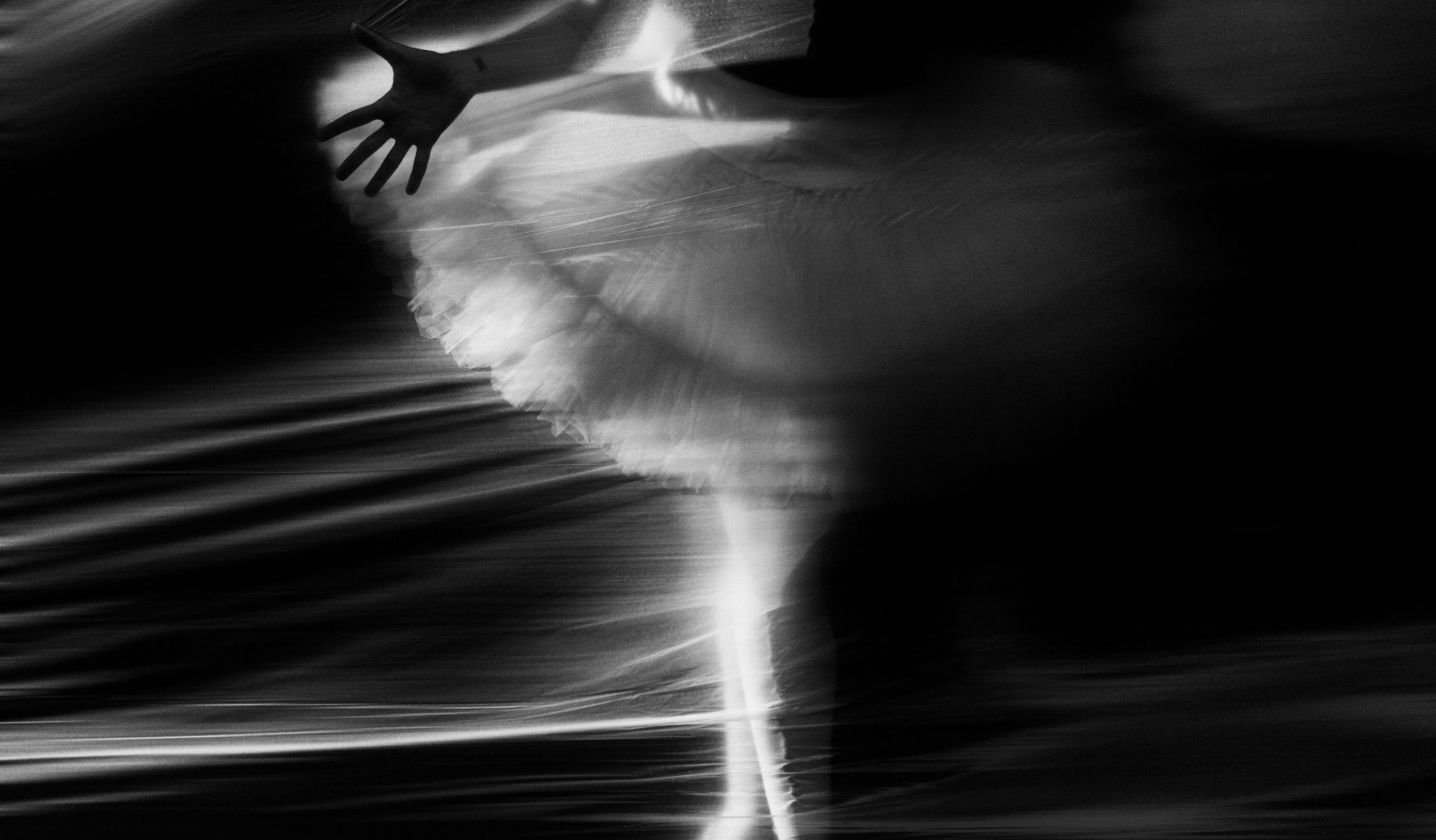
There’s a certain kind of female character who would not survive a test screening.
She’s awkward, obsessive, morally questionable, sometimes deeply irritating—and completely riveting.
She stalks her ex. She overshares. She spirals into fantasy. She smiles when she shouldn’t. She keeps making the same bad decision even though everyone, including herself, knows exactly how it ends. In internet shorthand, she’s a “weird girl.”
And in an industry still obsessed with likability, she feels quietly, thrillingly radical.
“Weird girl” cinema isn’t new, but it is having a moment. Think of Nina in Black Swan (2010), scraping at her own skin in pursuit of perfection so absolute it becomes self-annihilation. Frances in Frances Ha (2012), sprinting through New York with manic optimism while her life stubbornly refuses to cohere. Or Elizabeth in May December (2023), performing sensitivity so meticulously that it curdles into something predatory.
These films centre women who aren’t aspirational or easily digestible. They’re prickly, contradictory, embarrassing, and often unfinished. Crucially, they’re allowed to stay that way.
For decades, female characters have been shaped by a kind of narrative politeness. They can be flawed, but only within limits.
The “messy woman” is permitted, but she must clean herself up by the third act. The “difficult woman” can be intriguing, but only if the film reassures us she’s secretly good underneath.
Even when a woman behaves badly, the script often rushes to explain why—trauma, pressure, insecurity—anything to soften the blow.
“Weird girl” cinema refuses that impulse. It asks a more uncomfortable question: what if she doesn’t get better? What if she doesn’t want to? What if you’re not supposed to like her at all?
Take Black Swan (2010), Nina’s descent isn’t framed as a misunderstanding or a cry for help that, if properly addressed, might have been resolved.
Her weirdness—her childlike rigidity, her sexual repression, her obsessive self-surveillance—is treated as a logical response to a system that rewards female perfection and punishes deviation.
Nina doesn’t want freedom; she wants to be flawless.
The horror isn’t just that she breaks, but that she succeeds. There’s no moral reassurance waiting at the end—just a woman who got exactly what she wanted and paid for it with her body.
Pearl (2022) takes the weird girl and traps her inside a smiling Technicolour nightmare, using classical Hollywood craft to expose how suffocating the fantasy of feminine goodness really is. Hyper-saturated colours, static framing, and artificial cheerfulness press down on Pearl until desperation curdles into violence.
Mia Goth’s performance is the film’s boldest act of weirdness: operatic, excessive, and deeply embarrassing in its naked hunger to be seen. Pearl doesn’t want love or stability; she wants attention, recognition, escape from the smallness of her life.
The film refuses to redirect that desire into something socially acceptable.
Instead, it lets it rot.
The infamous monologue isn’t catharsis but exposure—a woman articulating envy, resentment, and boredom without apology, long enough that it becomes impossible to aestheticise away.
Pearl makes a vicious point: the pressure for women to be sweet and grateful doesn’t erase rage—it buries it.
The Craft (1996) understands weird girlhood as something collective, stylised, and volatile—and in many ways it feels like a blueprint for the internet-era weird girl long before the internet knew what to do with her.
The film treats adolescent alienation as ritual: hallways become liminal spaces, bedrooms become altars, emotion becomes magic.
Costuming and makeup aren’t surface rebellion but mechanisms of becoming—black lipstick, chokers, thrifted occult fashion functioning as both shield and signal.
This is femininity performed with intensity and deliberateness, years before Tumblr or TikTok gave it a name.
But the film is sharper than nostalgia allows. It refuses the fantasy that alternative girlhood automatically equals liberation.
Power reorganises itself into hierarchy. Desire mutates into cruelty. Friendship curdles into control. Witchcraft operates as feminist promise and warning at once: agency in a patriarchal system can easily reproduce the violence it seeks to escape.
What unites these films isn’t genre, tone, or outcome. It’s permission.
There’s also something darkly funny about weird girls, even when the films themselves aren’t comedies. Not funny in a mocking way, but in that too-close-to-home sense.
The second-hand embarrassment. The moment your body tenses because you know exactly what’s about to go wrong. Watching a weird girl unravel can feel like watching your own worst instincts projected at full volume.
That intimacy may be why these characters resonate so strongly now. The weird girl feels distinctly contemporary: hyper-aware of herself, half-performing and half-critiquing the performance in real time. She knows the rules. She knows she’s failing at them. She keeps going anyway. She’s the main character and her own comment section.
And then there’s the double standard this cinema exposes.
Men have long been allowed to be strange, obsessive, abrasive—even reprehensible—without their entire worth hinging on it. We call them anti-heroes. Complicated. Brilliant but troubled. Their weirdness is depth.
Women, historically, have had to earn that complexity. If she’s obsessive, something must have happened to her. If she’s cruel, she must repent. If she’s difficult, redemption must be coming.
Weird girl cinema pushes back. It says: maybe there’s no explanation. Maybe there’s no redemption waiting off-screen. Maybe she just is.
That doesn’t mean every weird girl film succeeds. The label is already at risk of becoming an aesthetic—quirky dysfunction packaged as brand identity. There’s a fine line between genuine complexity and performative oddness, and plenty of films stumble across it.
But when it works, this kind of cinema expands what women are allowed to be on screen. It embraces contradiction. It tolerates discomfort. It refuses to smooth rough edges for the sake of approval.
So yes, let women be weird. Let them be unresolved, irritating, occasionally unbearable. Let them make bad decisions and then make them again. Let them exist outside the narrow bandwidth of likability they’ve been trapped in for decades.
It’s refusing to be palatable.
And that, frankly, makes for much better cinema.
Image credit: Unsplash



Leave a Reply