
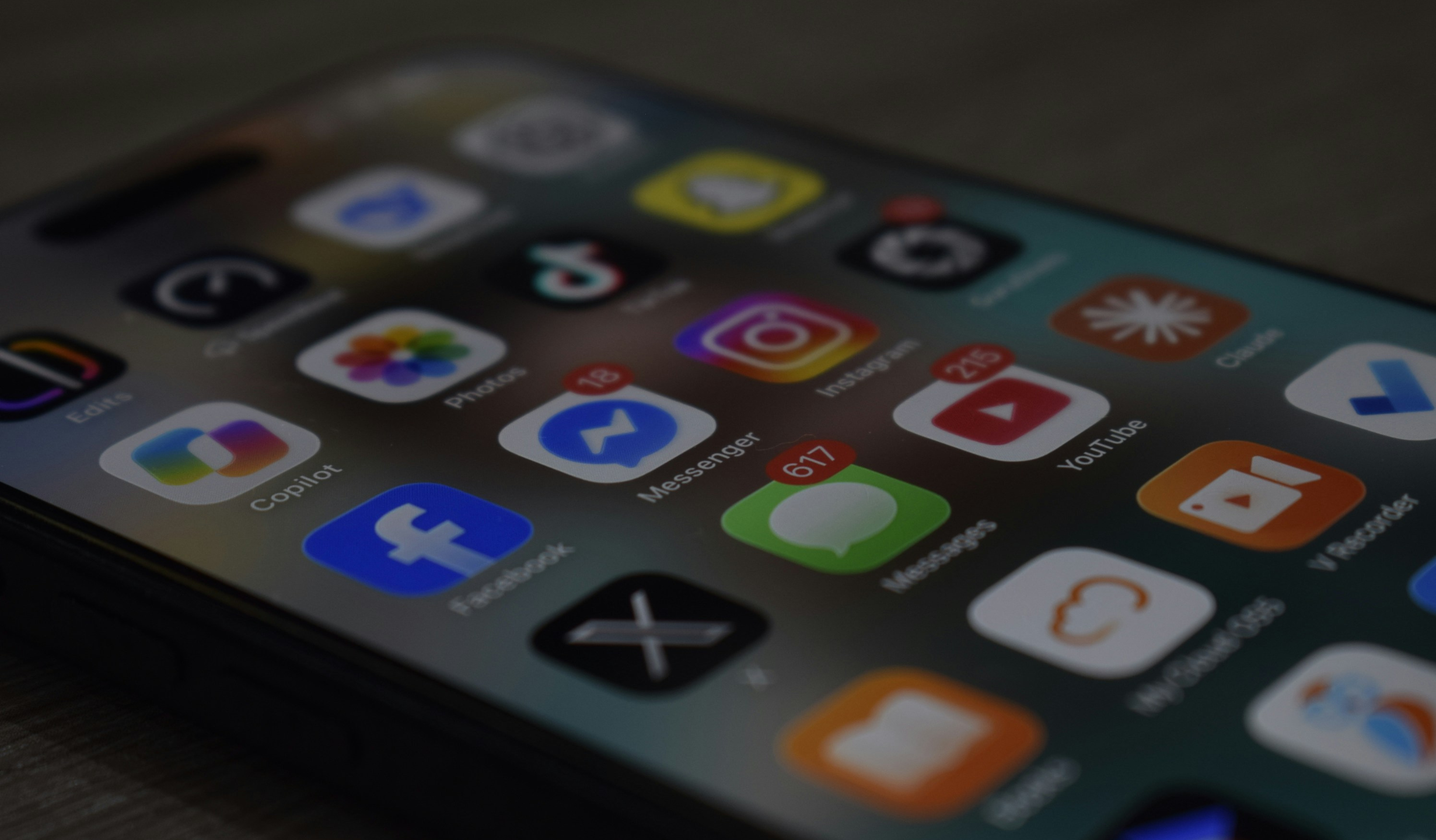
Social media and online spaces are often criticised for being dangerous for meeting people and for harming people’s mental health. However, many people have used social networking sites to find belonging where they otherwise can’t.
Many people, particularly from marginalised groups, struggle to find belonging in the communities around them and so turn to online spaces to find it.
For people on the LGBTQ+ spectrum, digital spaces can often be a lifeline. Many people who live in situations where it isn’t safe to truly express themselves, can find their community online and be able to express themselves in a safe and comfortable manner. Social media also provides a lot of education on LGBTQ+ topics that can allow people to learn more about who they are, where they normally would only be provided with harmful information.
Additionally, these spaces can be helpful for people to explore their identity before coming out in the real world. This is especially important in a time of rising hate and discrimination across the world for marginalised groups.
Those who have neurodivergence or struggle with their mental health can often face a lack of understanding from those around them. Online and digital communities can provide reassurance and support, showing people they are not alone.
Similarly, students who struggle to fit in with their peers may feel that they don’t like the same things as other people. And whilst this is a fairly common and normal feeling for someone to have, it can be really isolating.
Fan groups and fan communities can reduce this loneliness by connecting people with similar interests and allowing people to explore things they are interested in. It can also feel protective for people to be able to remain anonymous in these spaces, for example, when sharing artwork, poetry or writing that feels quite personal.
Now, this isn’t just about chatting with strangers and all the risks that come with that (We’ll come onto that), but digital spaces also allow people to connect with friends they already have.
This was particularly important during COVID when people couldn’t go outside or go round their friend’s house. Young people in particular struggled without that everyday peer interaction, and without the connection that social media and messages provided, many would have struggled more.
For example, my school was over 30 minutes from where I lived, and many of my friends lived further away than that. Without the ability to keep up over text, even without the lockdowns, I would have struggled to connect with my peers and have that sense of belonging.
Now, of course, online spaces can be dangerous places to meet new people. I have heard horror stories from friends of mine using online dating!
But besides the obvious stranger danger, when someone starts to rely exclusively on online support and connection, that can lead to a disconnect from the outside world. Without learning from social cues and tone of voice, it can be hard to learn to interact in person with people.
This can lead to further struggles and anxiety when socialising in person.
People who feel a sense of belonging in online spaces may also be vulnerable to the influences and bad advice of people who may not have their best interests at heart.
So to finish up, when used safely, digital spaces can be a useful tool for people to discover themselves and find a sense of belonging among others. However, there needs to be consideration for people’s welfare if they do become too reliant.
Image credit:Unsplash


Leave a Reply