
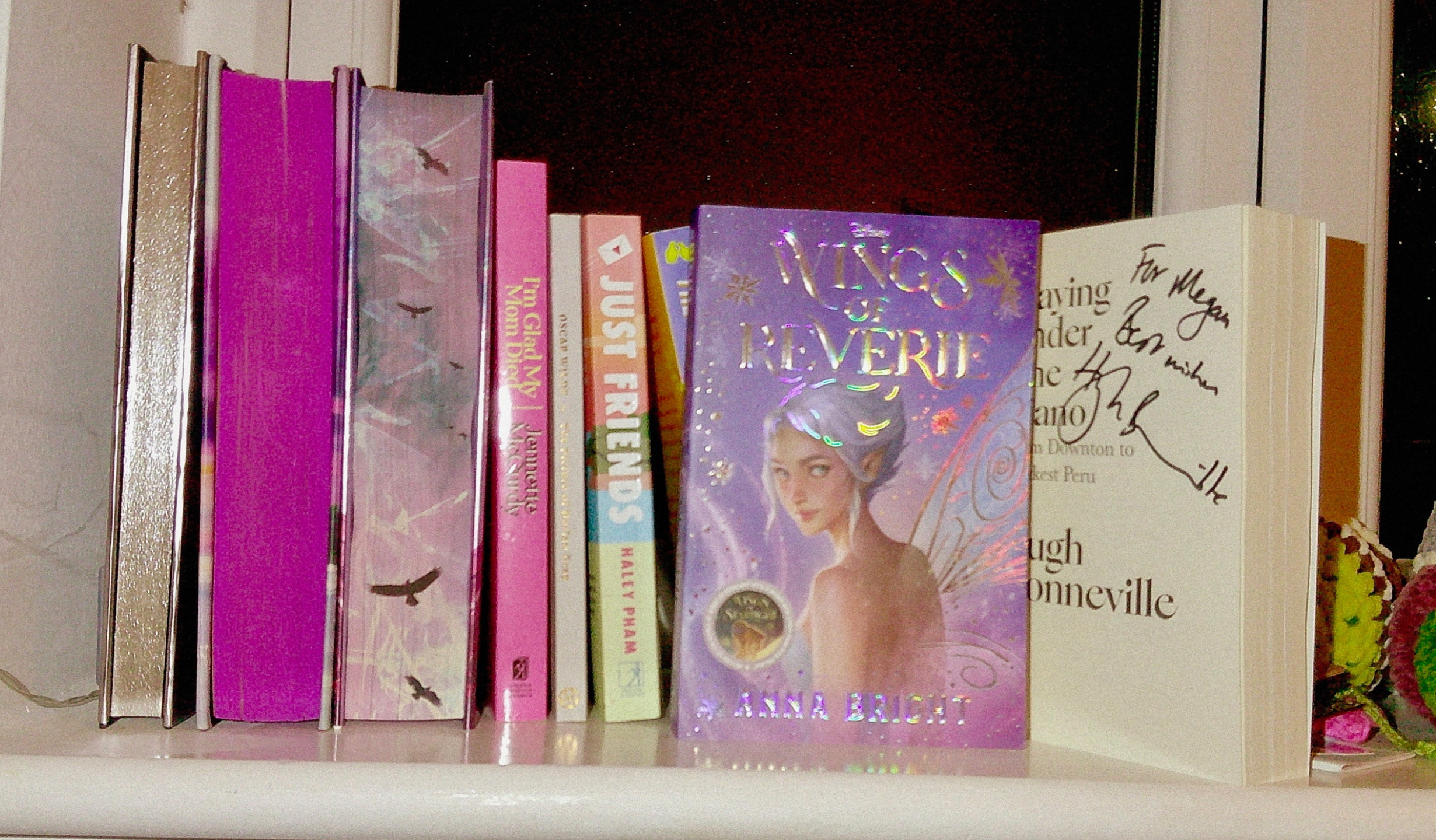
Forget Prada. The latest must-have accessory comes with a few hundred pages. Books, to be exact, but not just any kind of book — special editions!
Clothbound hardbacks, sprayed edges, illustrated endpapers and maps, foil stamping on the covers, ribbon bookmarks, exclusive dust jackets, bonus chapters and author signatures. The new literary handbag isn’t stitched in leather but bound in paper.
The book has been commodified in so many ways. There is so much artistry involved in the making of a book that now paperbacks with plain edges almost seem dull.
Street sellers like Waterstones and The Works have profited plenty from selling these special editions that are obviously at a higher price than a standard edition.
Some people may not understand why one should spend more money on a book that, yes, looks different but holds the same story.
And although it may be consumeristic and maybe a little materialistic, readers are drawn to special editions because, like any collection, they’re beautiful to display but also celebrate something deeply personal. Beyond the stories themselves, there is something to cherish and keep. It’s partly why even in the age of digital everything, books continue to thrive.
Some companies focus purely on the creation of unique and rare special editions. The Folio Society is an independent publisher that has been active since 1947. And in their words, “every Folio book is a labour of love, expertise and, frankly, obsession”.
Similarly, newer companies aided by the dawn of social media have arisen, like FairyLoot and StoryBound, which have considerable Instagram presences. And unlike Folio, which often focuses on the classics, they curate exclusive editions of books in more contemporary genres such as Romantasy and Young Adult.
The idea that books have become collector’s items might surprise some people, but for someone who collects special editions, it is about having a tangible piece of a world that offers comfort and escapism while also investing in a work of art that has been curated by dozens of people — and, of course, upgrading your bookshelf.
The rise of TikTok, specifically BookTok, has certainly resuscitated the concept of special edition books and brought it to a much wider market.
These sorts of books breed a sense of exclusivity and prestige in owning them; like handbags, books can start to communicate cultural capital and personal identity.
While it can be argued that companies are monetising readers’ emotional attachments to stories and repackaging them to be sold again and again in different forms, they are also cultivating a renewed enthusiasm for reading and, arguably, fostering a new culture of literary appreciation.
Image credit: Megan Kempster



Leave a Reply