
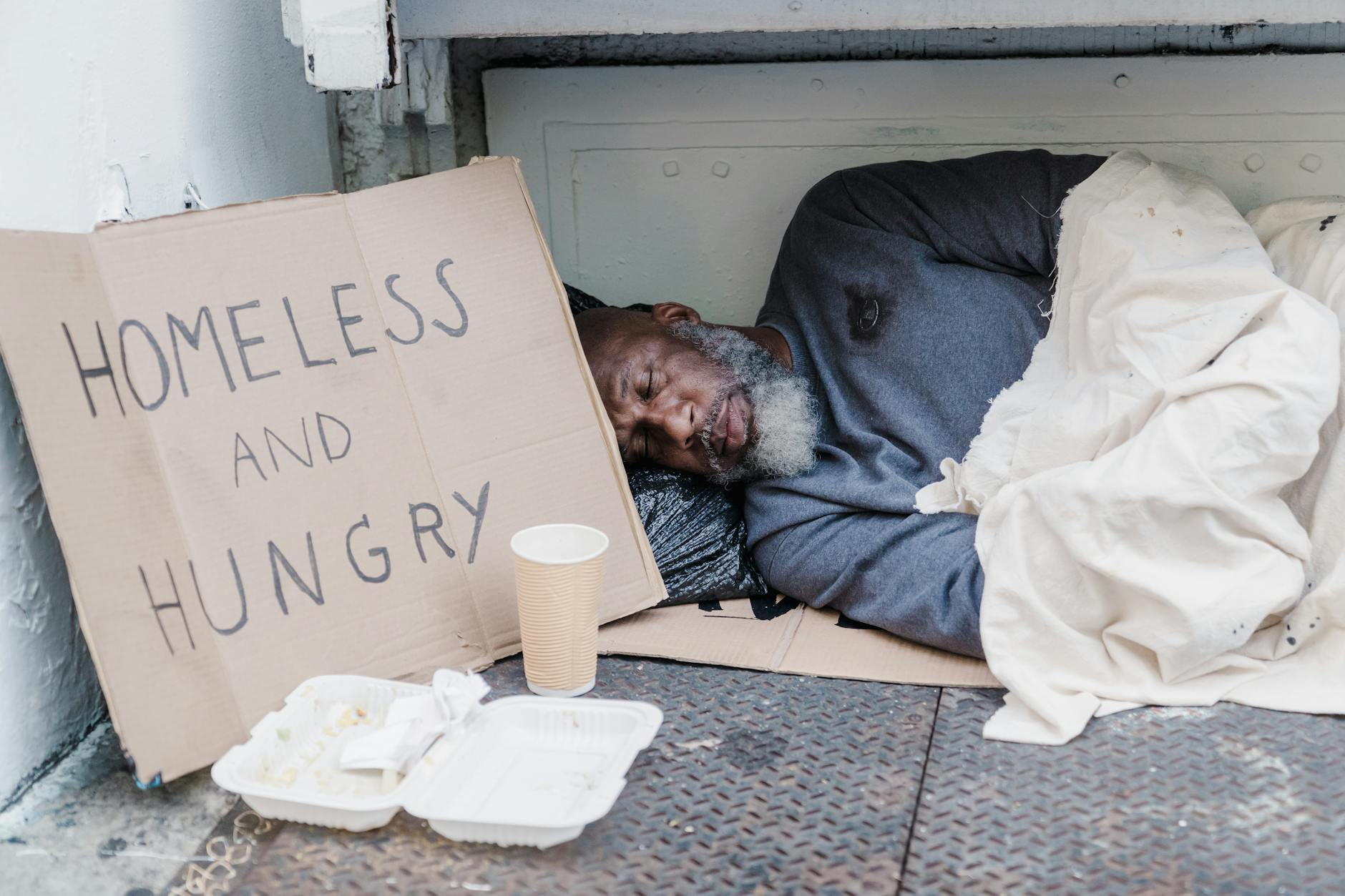
Walking around Norwich there is a clear homelessness problem. According to figures by the homelessness charity Shelter, there are an estimated 74 homeless people in the city alone. Following up on a 2015 Concrete article, ‘Homeless in Norwich this Christmas: Dan Falvey looks at what happens over the Christmas period to people in Norwich with nowhere to call home’ (issue 318), I want to investigate how the homelessness situation has worsened throughout Covid and the cost-of-living crisis. To do this, I have listened to student thoughts, and what the council and charities would recommend for those needing help.
Previously the city council have been criticised for their lack of support towards those sleeping rough. Most recently, during the extreme weather conditions in January, the council was called out by the Green Party for their procedure surrounding emergency accommodation. While the Greens labelled it as ‘out of date and would put lives at risk’, the council defended their point saying ‘Norwich City Council follows the current Government Guidance to ensure that rough sleepers are kept safe during extended periods of cold weather. In many cases the council goes above and beyond the government guidance and was recognised in 2018 as a ‘Gold Standard Authority’ – One of only 14 gold standard homeless and prevention services in the country. Norwich is described as a flow city which results in a constant presentation of individuals who end up sleeping rough. This results in services being stretched in order to meet the demands and standards expected in response to rough sleeping in the city. This position is recognised through the funding that we receive from the Department for Levelling Up, Housing and Communities. We are proud of our proactive approach to rough sleeping in Norwich.’
Talking to students, there is mixed understanding of what is best or most helpful for the homeless population. Speaking to one 2nd year PPL student, she said ‘I believe the best way to help homeless people is for local governments to address the key issues behind homelessness, like a better social state. I think it’s patronising when people say you shouldn’t give them money because they might spend it on drugs. They’re adults in a horrible situation, if they want to use drugs to stop withdrawal or get them through the night, that’s their choice’.
Another couple of students suggested buying or pre-packing food for those sleeping rough. ‘Even something as easy as a sandwiches, makes a huge difference. If you ask, they often want food or drinks, not necessarily money.’
However, students can see an obvious crisis deepening in our fine city. ‘During my four years at UEA it hasn’t seemed to have gotten any better and is a clear crisis now. I question what exactly the council are doing! I know there are food banks and charities, but I wonder if they have enough resources’, said a fourth year AMA student.
A third year PPL student said, ‘They’re treated so inhumanely, sparing some change, being kind or offering food is important but they aren’t long-term solutions.’
According to government figures, there were five people sleeping rough in Norwich in Autumn 2023. However, according to December 2023 data from the charity Shelter, Norwich had 74 people rough sleeping or using temporary accommodation that could last as short as a night. Within Norfolk, the city finds itself at the lowest of the seven areas. East Norfolk finds itself at the top of the list, with 264 people in just Great Yarmouth. This is followed by: West Norfolk (220), Breckland (208), North Norfolk (175), Broadland (118) and South Norfolk (110).
Types of homelessness: Depending on what support a person may be getting or why they’re homeless, different definitions can be used.
Rough sleepers- Rough sleeping is the most visible and dangerous form of homelessness and includes any person sleeping in the open air or in places that are not designed to be lived in. For example, alleyways and abandoned buildings. The longer someone experiences rough sleeping the more likely they are to face challenges around trauma, mental health and drug misuse.
Those living in emergency accommodation- this is anyone living in short-term accommodation while the council looks at your housing situation. People can be awarded this housing if they’re legally homeless, meet immigration conditions or are a priority need.
Those living in temporary accommodation- The length of time people can stay in temporary accommodation can range from a single night to many years. These accommodations can include: night shelters, hostels, B&Bs, women’s refuges and private and social housing. Each type of temporary accommodation has its own rules on access and lengths of stay and may not be appropriate for the individuals staying in them.
Intentionally homeless– Some people are labelled this due to deliberately doing something to make them homeless. For example, actions such as antisocial behaviour, refusing to get benefits to help with rent or not paying your rent when you could afford to.
Priority need homeless- A priority need is a special reason why the council must give you more help if you are homeless or facing homelessness. Sometimes it means the council must give you emergency housing. Key reasons someone could fit into this category is that: they’re pregnant or have children, homeless due to domestic abuse or are aged 18-20 and were in care.
Hidden homeless- Many people who are not entitled to help with housing, or who don’t approach their councils for help, aren’t counted in the official statistics. This is why charities, such as Crisis, carry out annual studies on core homelessness. Many stay in hostels, squats or B&Bs, in overcrowded accommodation or ‘concealed’ housing, such as the floors or sofas of friends and family.
Facts and figures
- According to the charity, Shelter, 139,000 children may be homeless this coming winter, representing an increase of 32.6% since the 2015 article, and the highest number on record.
- The rate of homelessness in England last year was 1 in 182 people.
- A rough sleeper is almost 17 times more likely to have been victims of violence than the general public (in 2023 according to Crisis).
- 157, 640 households in England were given support via ‘relief duty’ in 2022-2023, up 8.6% from 2021-22.
- From July to September of 2021, there was an increase of 13.7% from the same months the previous year, in terms of people being accepted as homelessness due to domestic abuse.
Access to the night shelter in Norwich is via Pathways Norwich or The Arc on Pottergate, opposite Kiln House. People who are sleeping rough and want to access the accommodation can call 0344 980 3333 to contact our out-of-hours service.
Image: Pexels





Leave a Reply