
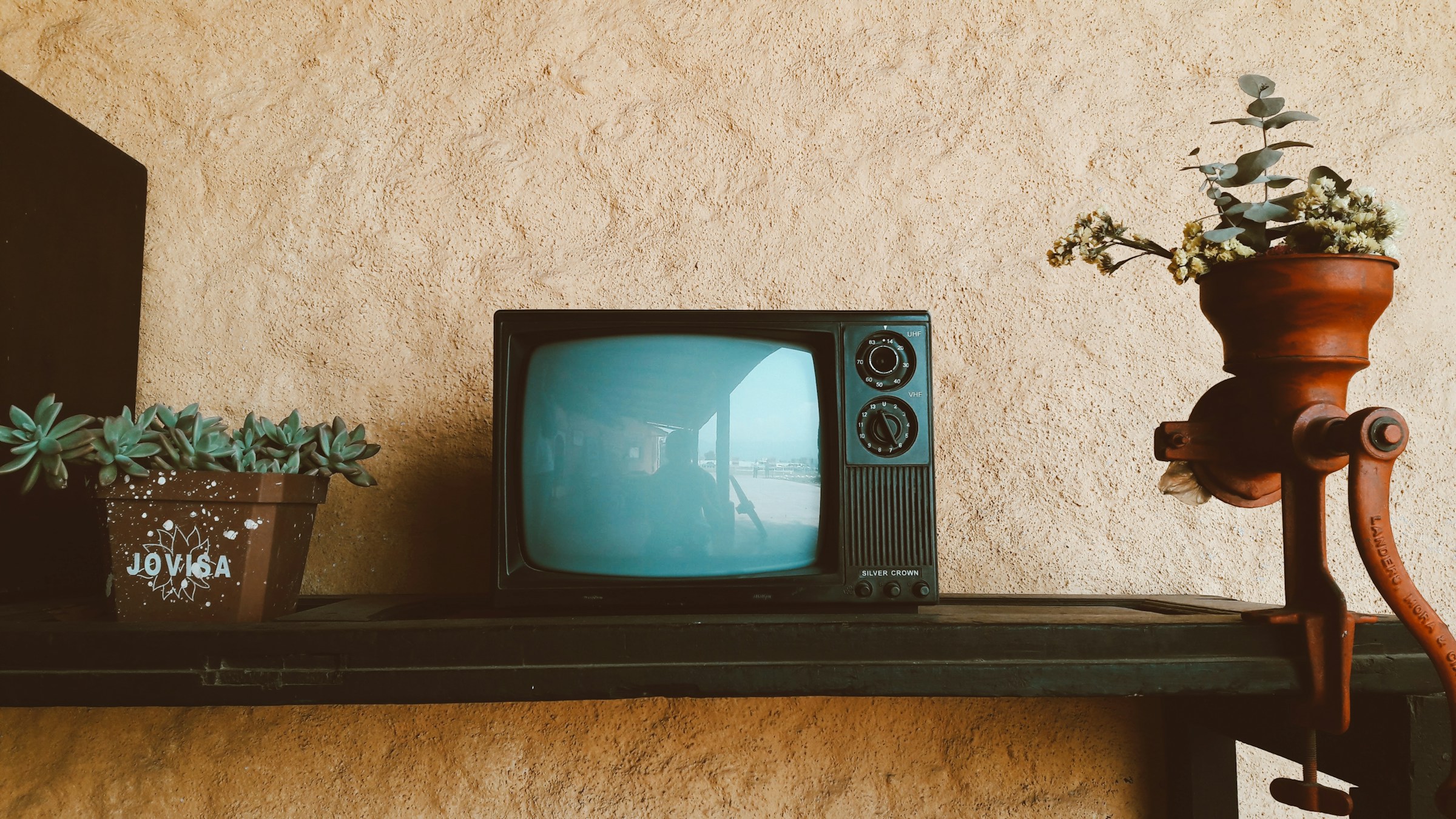
Many people believe that the era of TV is dead, with younger generations reaching for on demand content and binge-watching show, instead of sitting down in front of the TV to watch something as it airs. However, when it comes to events or programmes which are broadcast live on television, people are still brought together around the box to watch and experience things as they happen – but is it enough to save the traditional experience of TV?
As I’m writing this, I’m currently watching The BRIT Awards which I have sat down to watch almost every year since I can remember. Awards ceremonies like the BRITs or the BAFTAs can obviously be livestreamed online, but there’s something nostalgic about watching it on live TV, particularly when you catch a glimpse of something that they couldn’t edit out in time, but would absolutely be gone once it was put onto the on-demand platforms. There are so many iconic moments from the Brits’ history (such as Madonna’s unfortunate tumble back in 2015) which are always experienced best live, rather than in a 10 second TikTok a week or so later. Despite the excitement there used to be around award ceremonies, it doesn’t seem to be enough anymore to draw in audiences, as according to NME, The BRIT Awards 2024 “achieved the lowest television viewing figures in the show’s history, with an average of 2.5 million”, which is almost a million less than last year’s average of 3.3 million.
In last year’s final viewing figures, the BBC’s coverage of the Coronation of King Charles III topped the charts with 12.8 million views, followed by Happy Valley (BBC) at 11.9 million, Eurovision (BBC) at 10.7 million, Channel 4’s The Great British Bake Off at an average of 9.7 million, and ITV’s I’m a Celebrity… Get Me Out of Here reaching 9.0 million on average (according to figures released by the BBC). Out of the top five, I watched the Coronation (purely out of intrigue), and The Great British Bake Off which I tune into every year. Aside from those, there were very few programmes that I sat down to intentionally watch on their live broadcast, and often watched shows like Eastenders (which I have watched all my life) on demand for the convenience of not having to sit down at exactly 7:30pm every day.
With I’m a Celeb still reaching number five in the viewing figures, the intrigue of social experiment is not fully dead, with reality TV still capable of drawing audiences to stay up to date with contestants each week. In recent years, shows like I’m a Celeb, Love Island and The Traitors have led to a big resurgence in the popularity of reality TV, and are favoured by production companies because it is a formula proven to do well. Furthermore, 2023 saw the return of OG reality TV favourite Big Brother, the first series since it was axed by Channel 5 in 2018, followed by the return of Celebrity Big Brother this month for the first time in six years. Big Brother’s relaunch reached 2.5 million views on its opening episode (twice the amount that Love Island achieved on the first episode of season 10 in June 2023), but these figures are much lower than Big Brother’s hayday which averaged at 10 million views according to The Guardian. There are also ongoing concerns of the impact that reality TV has on its contestants, and the responsibility of caring for them after the show has finished.
The only other category of TV truly capable of attracting audiences to live broadcasts are sports events, with Ofcom reporting 16.1 million views of the 2022 FIFA World Cup: England vs France quarter final match, and the Women’s Euro 2022 Final (England vs Germany) receiving 11.2 million views. Last year’s Women’s World Cup Final between England and Spain had a peak of 14.4 million views, the highest ever for a Women’s World Cup final (according to figures from Barb).
Overall, viewing figures are still historically low across the board, and it’s only really cultural events, sports games (where England are doing well), and much loved longstanding series’, which are able to reliably attract viewers to the TV. Whether that’s because of shortening attention spans, limited time to watch things live, or a lack of interest in television that hasn’t moved quickly enough with the times, live broadcast TV is evidently struggling to maintain relevance – but it isn’t dead just yet.
Image: Unsplash




Leave a Reply