
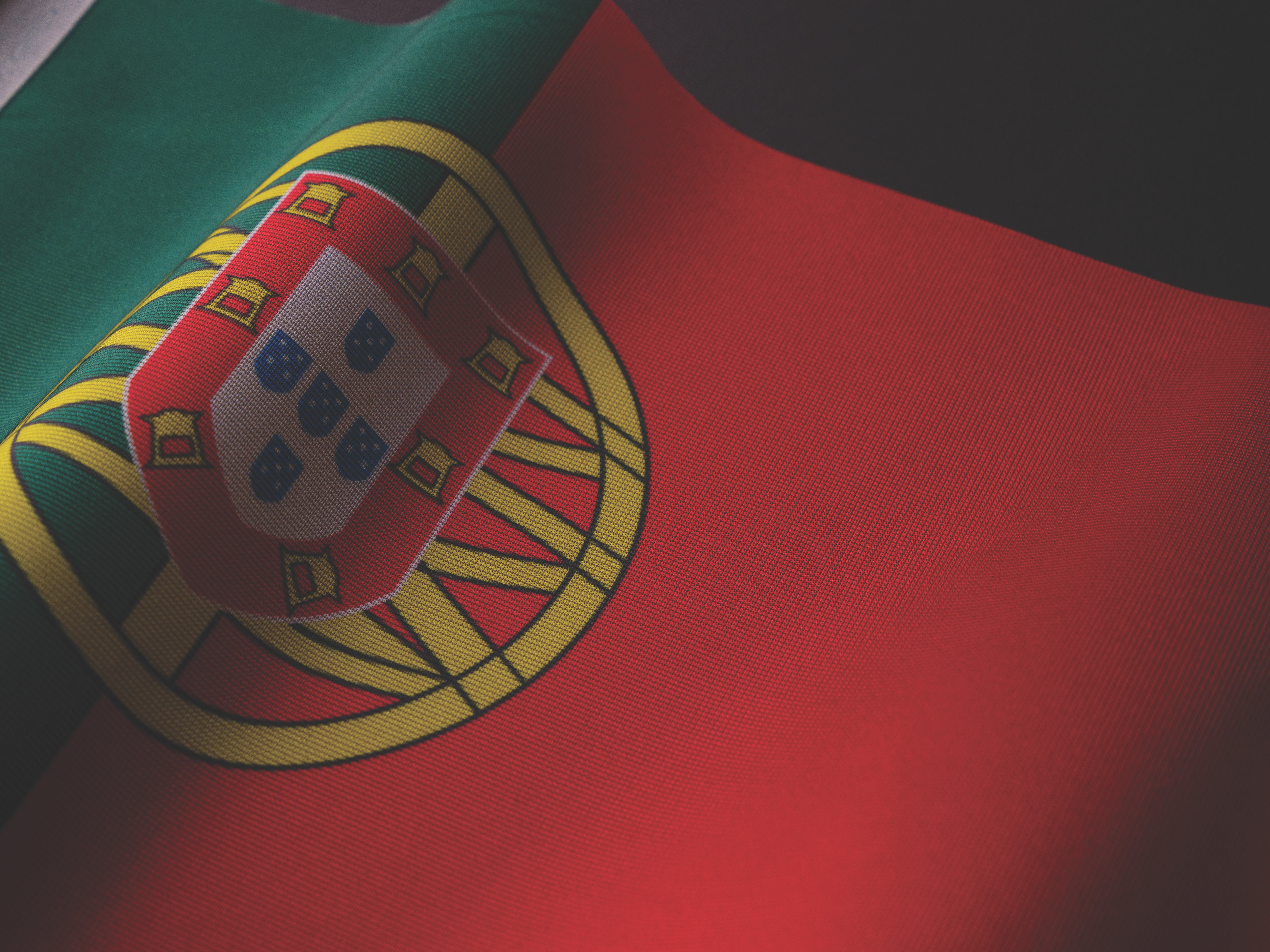
Portugal’s two-week general election campaign has begun with centre-right and centre-left parties leading in the polls. Far right populists predicted to collect almost a fifth of the vote is another sign of Europe’s nativist sentiments. Dissimilar to several EU states ranging from Italy to Finland, the far right has so far not managed to make much of an impact in Portugal. April marks half a century since the 1974 Carnation Revolution which ended almost as many years of authoritarian rule.
The Chega(lit.Enough) Party which is led by a former football commentator, André Ventura, could possibly become powerbroker if polls prove to be accurate. Ventura’s party scored 1.3% of votes in 2019’s election but jumped to 7.3% in 2022 and has since climbed to about 19%. The Social Democratic Party (PSD) is headed by Luís Montenegro who launched a campaign in the northern district of Bragança. Montenegro was confident in a “great victory” for a three-party alliance he had formed with two smaller rightist parties.
Ventura told Reuters last month that his party would demand to be a part of the right wing coalition government in exchange for parliamentary support. However, Montenegro has rejected any type of agreement with Chega. Although, after eight years in opposition, some analysts are doubtful that the centre-right party, PSD, will stick to that pledge if it requires Chega’s votes to secure a majority
Pedro Nuno Santos, leader of the current Socialist Party, was reported telling market shoppers near Porto that his party enjoyed “a relationship of proximity and trust” with voters and was “focused on a victory that halts the right’s advance.” Socialists are to win the most votes but combined rightwing parties are expected to collect more seats in parliament. Many people were focused on Ventura, who has always said he will not back into a rightist coalition unless he is formally a part of it. Analysts report that the early 10th of March election, called after the unexpected resignation of Socialist prime minister, António Costa, is being held in the presence of multiple corruption scandals that have fuelled voter disenchantment and a lean toward the far right.
Costa’s government collapsed last November and was embroiled in a corruption investigation into alleged illegalities in his government’s handling of large green investment projects. Costa’s chief of staff was arrested but Costa himself has not been accused of any crime and has also denied any wrongdoing.
Recently, a Lisbon court has ruled that José Sócrates, a former Socialist prime minister, has to stand trial over allegations that he stole about €34 million (£29m) during his time in power from money laundering, fraud and graft. Unreliable public health services, a housing crisis and constant low pay levels are other sectors where the two main parties’ records show they are struggling.
Like other countries in Europe, one of Chega’s main themes is the fight against alleged corruption, one billboard reads “Portugal needs cleaning out.” Far right populists are leading coalitions in Italy and Finland and supporting another in Sweden. Chega is also campaigning on immigration, the climate crisis and religious and cultural differences. In June’s European parliament elections, far right parties are expected to finish first in nine countries including Austria, France and Poland and second or third in another nine, including Germany, Spain, Portugal and Sweden.
Image: Unsplash




Leave a Reply