
A few weeks ago I met a very interesting old man. Working as a waitress in the suburbs of Norwich this is not an unusual occurrence, some interesting old men and women abound, so much so that it can often be quite difficult to get any waitressing done. However, the conversation I had with him was particularly poignant to me because it concerned the matter of diary writing. As someone who has kept a diary regularly for over a year now, I find myself carefully attuned to their being mentioned and in particular why people keep them.
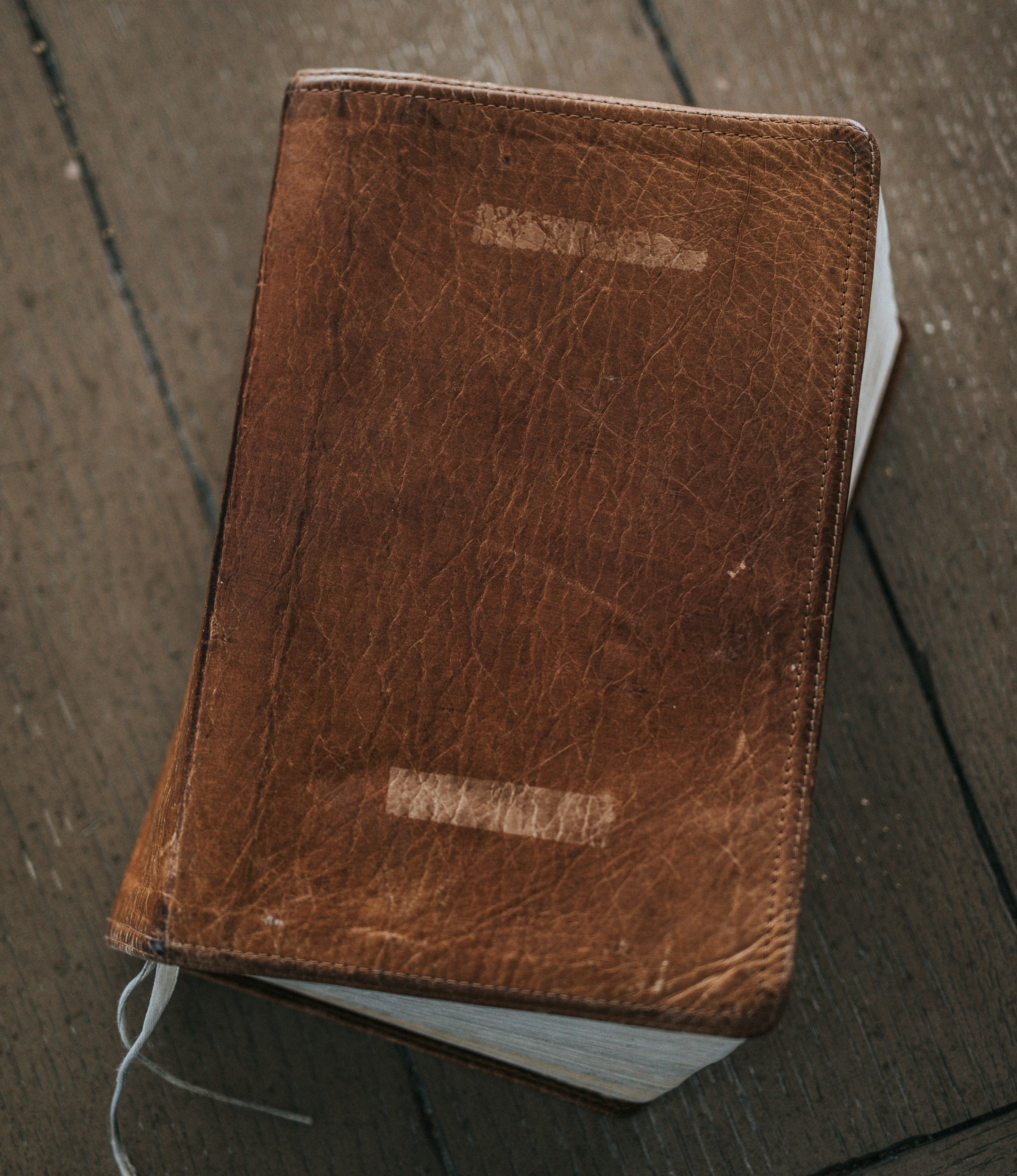
‘It is the biggest waste of time in the world’ the old man declared, ‘but I can’t help it!’. Still, I knew that he couldn’t be completely truthful, for he had spent the last ten minutes detailing his extensive collection of leatherbound diaries, dating back to Churchill’s funeral in 1965. His wife seemed less enthusiastic and gave me a wry smile. Then again, perhaps she just wanted to eat her roast chicken…
Today diary writing is more common than most people would expect. One reason for this is the increased awareness of the mental health benefits that come from taking introspective time for yourself. By externalising events and emotions, it is no surprise that they become easier to understand. For example, when writing, diaries become the perfect listeners, and on reading they become the perfect advisors.
Although this may be a reason why diaries are kept today, the history of diary writing shows motives that are as vast as the time scale they cover. The first remnants of what we might recognise as the form can be traced back to the 10th-century Japanese court where women wrote ‘pillow books’ (named after the action of tucking them under a pillow after writing). The entries within these diaries are both reflective and expressive, making a firm departure from the factual form of diary keeping that had been in place since the ancient Egyptian Diary of Merer. However, it was not until the late Renaissance, that the rise of individualism encouraged an increase in diary writing as a method to express the self, whether this be through hopes, fears, or the mundanity of the everyday. Despite a wealth of Italian diarists in this age, it was not until the Restoration period that a British household name emerged. This relates to Samuel Pepys, whose portrayal of the Great Fire of London in his ‘Sunday 2nd September 1666’ is one of the most prolific diary entries in history. The combination of momentous events with his own honesty makes for a fascinating read, and one I would highly recommend.
Diary writing continued to evolve through its inclusion within literature, this being through the form of the epistolary novel in the 18th and 19th centuries. The epistolary novel is one that is told through transient forms of writing such as letters, documents, newspaper clippings, and diaries. Such infamous examples include The Woman in White in 1860 and Dracula in 1897. Both draw attention to the diary’s transformational ability to add a level of realism in an era preoccupied with heavy narrative description.
Of course, no diary article would be complete without mention of Anne Frank’s The Diary of a Young Girl. It is an extraordinarily thoughtful work depicting Frank’s experiences during her two years in hiding throughout the Nazi occupation of the Netherlands. Although she never intended it to be published, it remains the bestselling diary ever written.
Does having this knowledge of the history of diary writing take me any closer to understanding why I do it? Maybe. The fact that for most of its early history, it seems to appear unattached to any direct legacy shows that there must be something innate in us that simply wants to create stories out of our lives. Even today no one picks up a notebook at ten years old and starts scribbling about their feelings because that’s what Marino Sanuto the Younger did in the 1500s. Therefore, if I had to guess why people write diaries, it would be the need to control a life that can at times feel so frighteningly random (although that doesn’t sound nearly as romantic as following in the creative footsteps of Sylvia Plath). Still, I hope that one day the interesting old man comes back to the restaurant so that I can tell him that 59 years of diary writing probably hasn’t been a waste of time.
Image: Unsplash




Leave a Reply