
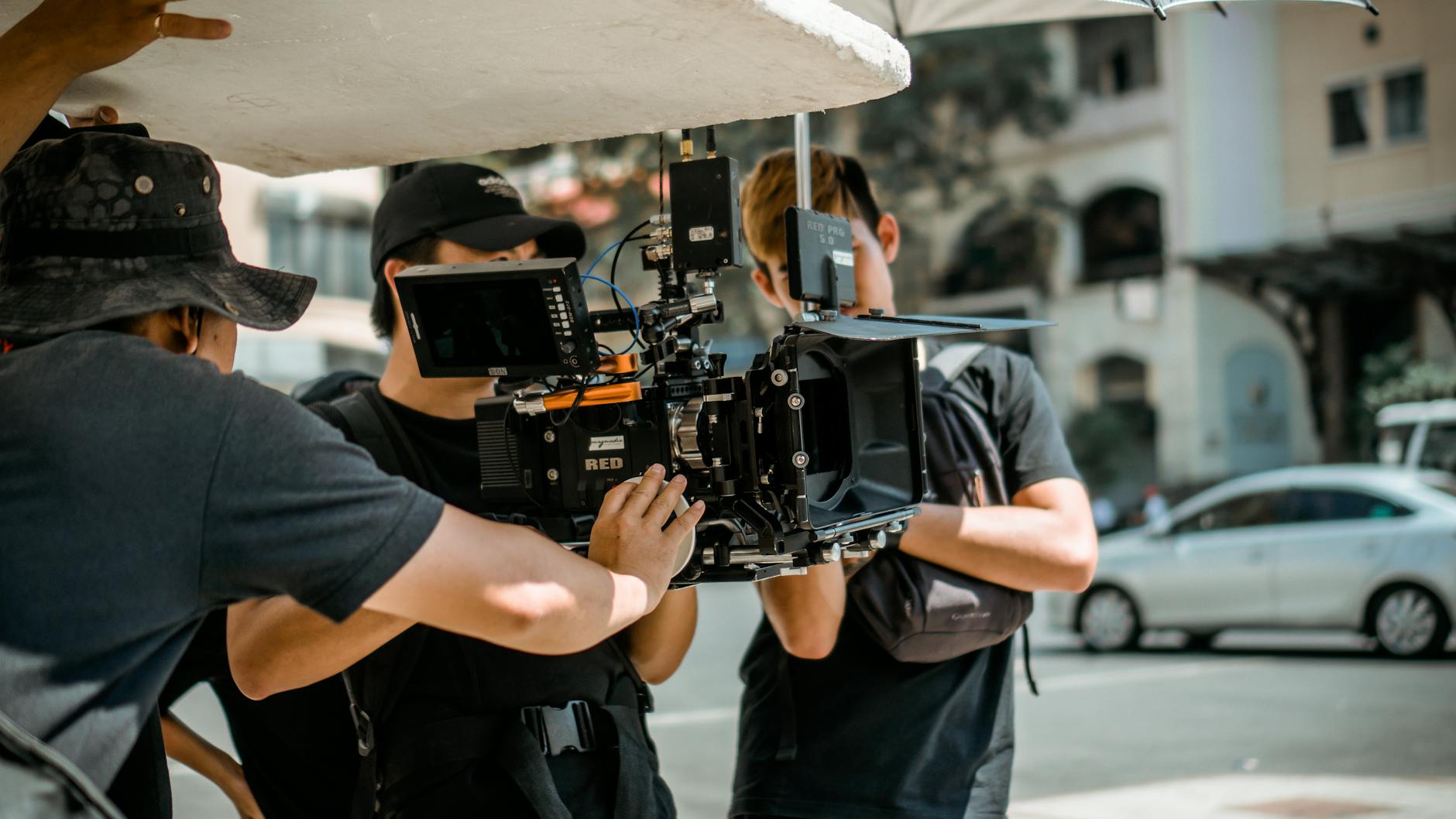
An embarrassing truth I have realised about myself in the last year is that I enjoy watching reality TV. Yes – the trashy, binge worthy shows where people argue about issues that no one in their right mind with a 9-5 job would ever care about. From Dance Moms to Made in Chelsea, I’ve truly watched them all, and they’ve left me with conflicted feelings in regards to the concept of reality TV and what it represents. Does reality TV still have a role to play in the future of television, or is it portraying a distorted sense of real life interactions?
Shows such as Made in Chelsea focus on a group of privileged young people (often single or in on and off again relationships), with the entire concept centering around a glimpse into an exclusive lifestyle many of us cannot relate to. However, with it being “reality TV”, we are meant to sympathise with certain “characters” on the show, following their emotions and sorting the cast into who we like and dislike. With the need for constant drama on reality TV shows, we relish moments where there are explosive arguments or huge secrets revealed.
But in everyday life, these situations are far less common. This creates a distortion whereby those on reality TV shows end up being perceived as less human being, and more façades. Arguments become a way of gaining screen time or popularity, and less about sorting out conflicts. The influence that certain reality stars gain after being on these shows follows them onto social media, where they are forced to continue these personas, as well as making themselves marketable to companies selling cosmetics and strange protein drinks that likely make you poop three times a day. Their income then relies on their relevance and social media engagement, meaning their lives end up circulating around external validation, shifting their entire sense of self.
Perhaps, some people will think I’m reading into the future of reality TV too deeply, but the digital landscape is constantly changing. It’s a strange era for television right now and for TV personalities, but it might be time to reconsider the impact such constructed reality is having on us as the audience.
Image: Pexels


Leave a Reply