
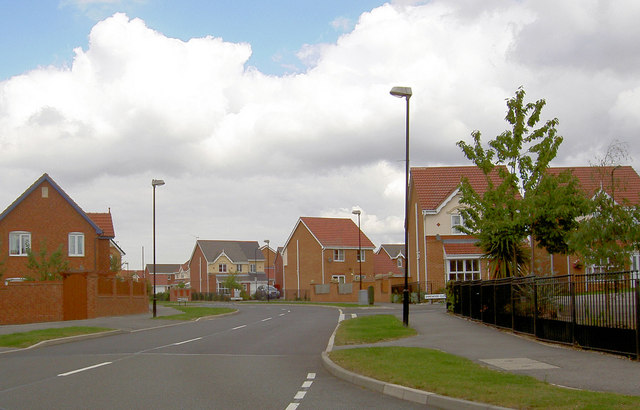
The UK is currently grappling with a severe housing crisis, earning the dubious title of the ‘worst place in the developed world’ to buy a house, as reported by the Guardian. The situation is dire, with rents and property prices soaring while wages remain stagnant. This stark reality has left many feeling homeownership is a distant dream in this economy.
With the general election just days away, a major concern at the ballot box for ‘Gen Z’ will be accessibility to the housing market. So, what measures are the major parties proposing to help with this? Here is a snapshot…
The Labour Party
Labour plans to introduce various measures to build more housing, if elected – promising to protect natural green spaces while freeing up ‘the grey belt’ (unused or poor-quality parts of ‘the green belt’) for building. They pledge to build 1.5 million more homes, with ‘first dibs’ for first-time buyers in new housing projects. The target includes social housing, but the manifesto does not put a figure on this. There is also a promise to make first-time home buying easier to access with a “government-backed mortgage scheme”.
The proposal includes placing the government as a guarantor for a part of the home loan and encouraging lenders to offer low-deposit deals, away from the conventional 20%. The scheme will be named ‘Freedom to Buy,’ rebranding the existing Conservative home buying scheme called ‘Help to Buy,’ where prospective buyers put down a 5% down payment with the remaining 95% backed by the government.
The Conservative Party
On the other hand, the Conservatives have proposed to build 1.6 million homes, a 100,000 increase from Labour’s proposal. In a newly improved ‘Help to Buy’ scheme, the Tories have pledged to permanently abolish stamp duty (a one-off tax on property purchases) for homes up to £425,000. The Tories also propose a new scheme for first-time home buyers to provide an equity loan of up to 20% towards the cost of a new-build home, with a 5% deposit. As for renting, they have pledged two years of temporary capital gains tax (a tax levy on the sale of investments) relief for landlords who sell their property to existing tenants.
Tourism trap…
Despite the potential of many of these schemes, a rising contradiction has arisen around Airbnb, a company that operates an online marketplace that advertises short- and long-term homestays and experiences. The platform, which does not require a legal contract like a proper lease, has made it easy for owners to rent holiday homes, potentially driving locals out of the area.
Labour has proposed to retaliate against the AirBNB housing issue by issuing a ‘tourist tax’ on these properties. This tax is designed to generate revenue to pump back into managing the tourism industry sustainably for the local area and its people.
The other UK parties
The Green Party of England and Wales pledges to bring in rent controls to help stabilise the rental market for tenants, as well as banning the use of no-fault-evictions by landlords. They also want to restrict ‘empty-property’ ownership and pledge to build 150,000 new social homes annually through ”a mix of new build, refurbishment, conversions and buying up existing homes”.
The Liberal Democrats say they would build 380,00 new homes a year, with 150,00 of those being for “social rent,” including the construction of new “garden cities.” The party has also pledged to ban no-fault evictions, make three-year tenancies the default (as opposed to 1-year), and create a “national register” of licensed landlords.
Finally, in their ‘Contract with You,’ Reform UK says they would “fast track” planning and offer tax breaks to developers who take on ‘brownfield’ sites. The alt-right party, led by Nigel Farage, also pledge to give tax breaks to “small-scale” landlords and say those “born in the UK” would be given priority in social housing.
Whoever wins the election, it remains to be seen whether the full array of their pledges will become a reality. Numerous governments of the past two decades have struggled to keep their manifesto promises due to increased demand, unachievable finance models for first-time buyers, and tackling strict environmental and localised planning restrictions.



Leave a Reply