
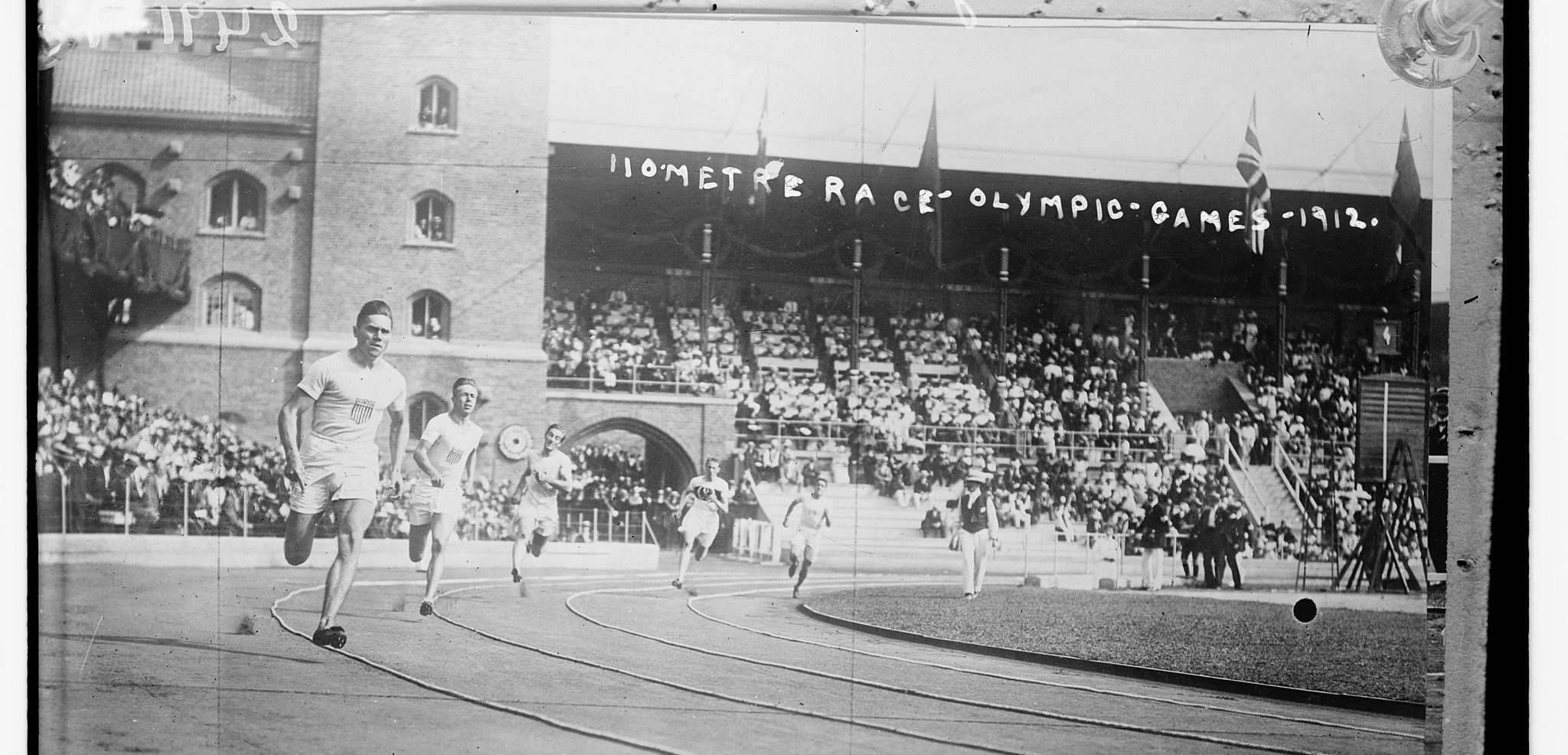
With the 2024 Paris Olympic Games coming to a close, this is the perfect time to remember past Olympic Games and the forgotten, discontinued events which bridged the physical and the creative.
The 1912 Stockholm Olympics are remembered for multiple reasons: the introduction of the Modern Penthathlon, the debut of Japan in the games, but also one of the most surprising and intriguing aspect of the Games: the launch of the art competition. This became an event aimed to unite the physical prowess and the creative expression. Proposed by Pierre de Coubertin, the founder of the Morden Olympic movement, who believed that the Games should celebrate the mind and spirit as much as the body.
The art competition was divided into five sections: architecture, literature, music, painting and sculpture. Each category was challenged to create a piece that inspired and praised sport and the sporting capabilities of athletes all around the world, developing the link between the athletic and artistic elements of the Games. This requirement ensured a thematically revenant piece of piece of work that matched the spirit of the Olympics and a high artistic quality for all submissions. Envisioning a new cultural dimension to the Olympics, the art competition honoured both the talent of the athletic and artistic achievements, first officially taking place in the 1912 Olympic games.
However, the introduction of the art competition was an interesting development to the Olympic games not just for its deviation from the strikingly obvious physical sports, but due to the nature of art its self. Submissions for the art competition were judged by selected experts in each field yet to judge art, in all forms, implies an objectivity to art. It argues of a right and wrong that surely can’t be the case due to the diversity of meanings art evokes to both artist and viewer. Furthermore, can anyone be an art expert if we are all individually aligned to our own likes and dislikes? The idea of simply judging a piece of art on its technically would arguably dismiss the creativity of the work itself and thus the sprit and passion that is similarly seem in the other Olympians. Medals awarded did not contribute to the overall medal table of each country and further isolated the art competition, although this allowed teams to be formed made up multiple counties. This is seen through in the Literature event where Georges Hohrod of Germany and, the founder of the art competition himself, de Coubertin of France joined up to win Gold. Other submissions of the 1912 games include Eugene-Edouard Monod and Laverriere’s stadium design titled “Building of a Morden Stadium” which won them gold in architecture for Switzerland and the British-American sculptor, Walter Winans awarded Gold his work “An American Trotter.”
The Art competition ran until 1948, after which it was discontinued due to various reasons including concerns about the professionalism of the supposed amateur artists. Perhaps then it was the right option to remove the art competition in order to better highlight the artists themselves and their own excellence and passion within the art world. The idea of celebrating both athletic and artistic talent, however, has not been forgotten as it has continued to influence programs of Morden Olympics, such as the Olympic art festival and various exhibitions held alongside the games. However, despite this eventual discontinuation of the art competition, it demonstrated the Olympics’ potential for diverse forms of human excellence, creativity and passion. It has arguably left a legacy that should not be forgotten as an innovative attempt to blend the worlds of sport and art, celebrating the multifaceted nature of human achievements and how the pursuit of excellence is not limited to the physical domain but extends to realms of creativity and imagination.
Photo credit: Wikimedia Commons


Leave a Reply