
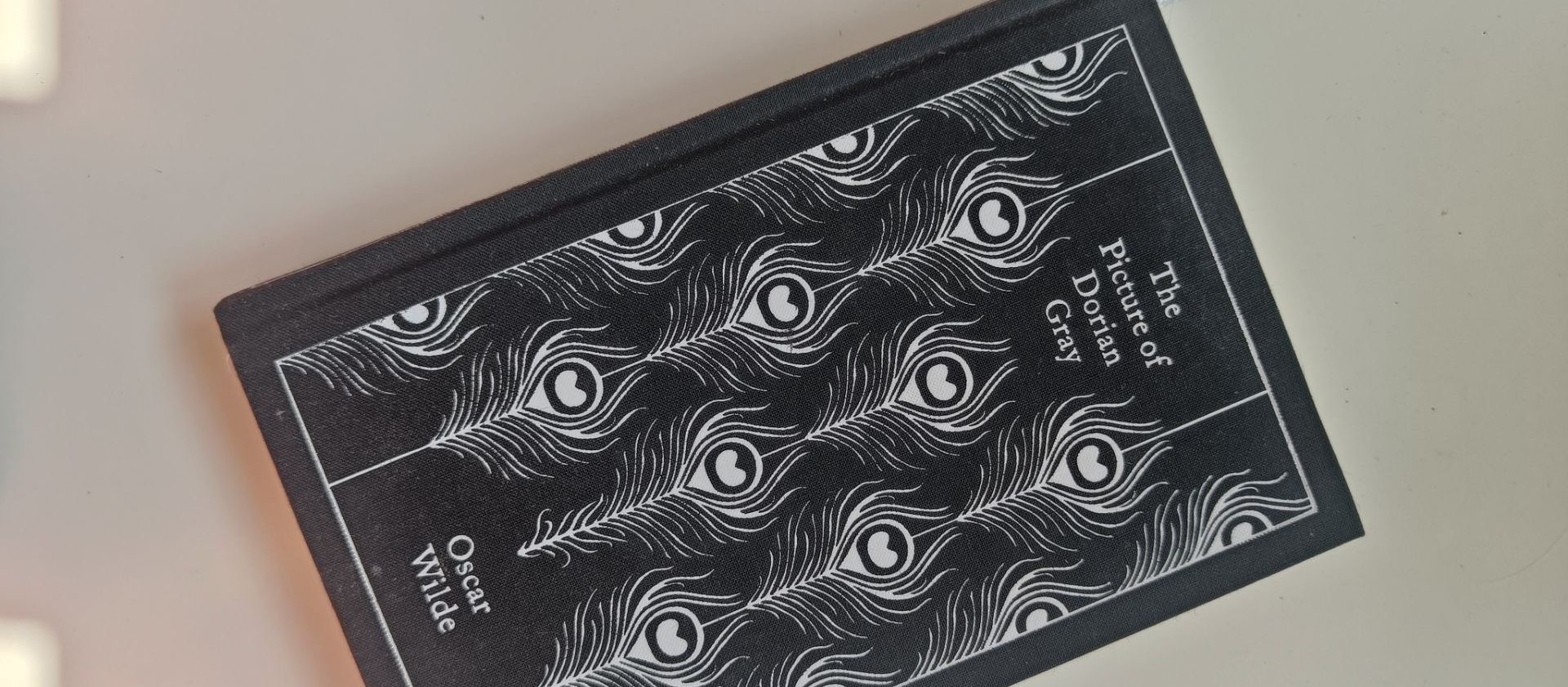
There is nothing quite like reading a classic in the summertime! Spending warm days with Jane Austen or Victor Hugo provides a perfect serenity before the start of a bustling new semester. What better way to replicate the beauty of summer by picking up one of Penguin’s Clothbound Classics?
Released in 2008, Penguin’s Clothbound Classics are famous for their elegant, Victorian-inspired designs, embellished with a motif central to the book. Alice Vincent from Penguin states that since then, the Clothbound Classics have transformed from literary material into collectible items following their ‘viral’ appreciation on social media’s ‘BookTok’. She remarks the ‘coveted’ books have inspired ‘all the ‘shelfies’ and the videos, in all the memes and the ‘flatlays’, categorising classics as something ‘Instagrammable’ rather than readable (Vincent, Penguin, 2022). In other words: is a classic novel’s literary content now overshadowed by the consumption of books as ‘trendy’ face-value works of art?
Though this somewhat superficial approach to book consumption defeats the Golden Rule of Reading — ‘don’t judge a book by its cover’ — the appeal of Clothbound Classics within the classic book market can be beneficial for book lovers. Aesthetically pleasing book covers tap into our innate appreciation for beauty, enticing us to read more classic literature, thereby fostering a stronger connection to our literary roots and culture. Ultimately, this secures the timelessness of the classics in today’s literary landscape dominant with fast-paced, ‘trendy’, and (occasionally) lacklustre novels. Vincent even argues that communities of online readers contribute to this longevity, stating the Clothbound Classics have found “new meaning” here, guaranteeing a future for them to thrive.
However, Vincent overlooks that the beauty of the Clothbound Classics often underscores the traumatic subject material that certain books deal with. Take Vladimir Nabokov’s Lolita, infamous for its predatory narrator; with its Clothbound cover, a bold yellow and adorned with flashy, Vegas-style signs, blinds unsuspecting readers to the novel’s heavy theme of paedophilia, and inadvertently (and problematically) glamorising its internal subject material. Thus, by cloaking classic books in such distractingly ‘beautiful’ designs, the author’s message becomes obscured, resulting in a surface-level understanding of the writing in esteemed texts.
It seems the solution to this problem is to ensure classic book covers uplift their literary content- the cover should be eye-catching enough to secure the book’s relevance but should not distract from the renowned words inside. However, I can assure you, Venue reader, that there is no harm in enjoying a book cover’s beauty. Immanuel Kant (who is far more qualified to advise you on this than I am) remarks “beauty is nothing by itself, without relation to the feeling of the subject” (Kant, 1790). As Kant suggests, finding things ‘beautiful’ gives us a sense of individuality; appreciating the splendour of a Clothbound Classic, for example, forges our identity in its art, bringing positive feelings of happiness and satisfaction. I now propose to you a new Golden Rule of Reading: revel in the artwork on a book’s front cover, embrace it as a counterpart to its words! Books were meant to be indulged in, and the blistering August sun proves the perfect setting for this activity.
Photo credit: Robyn Srikandan





Leave a Reply