
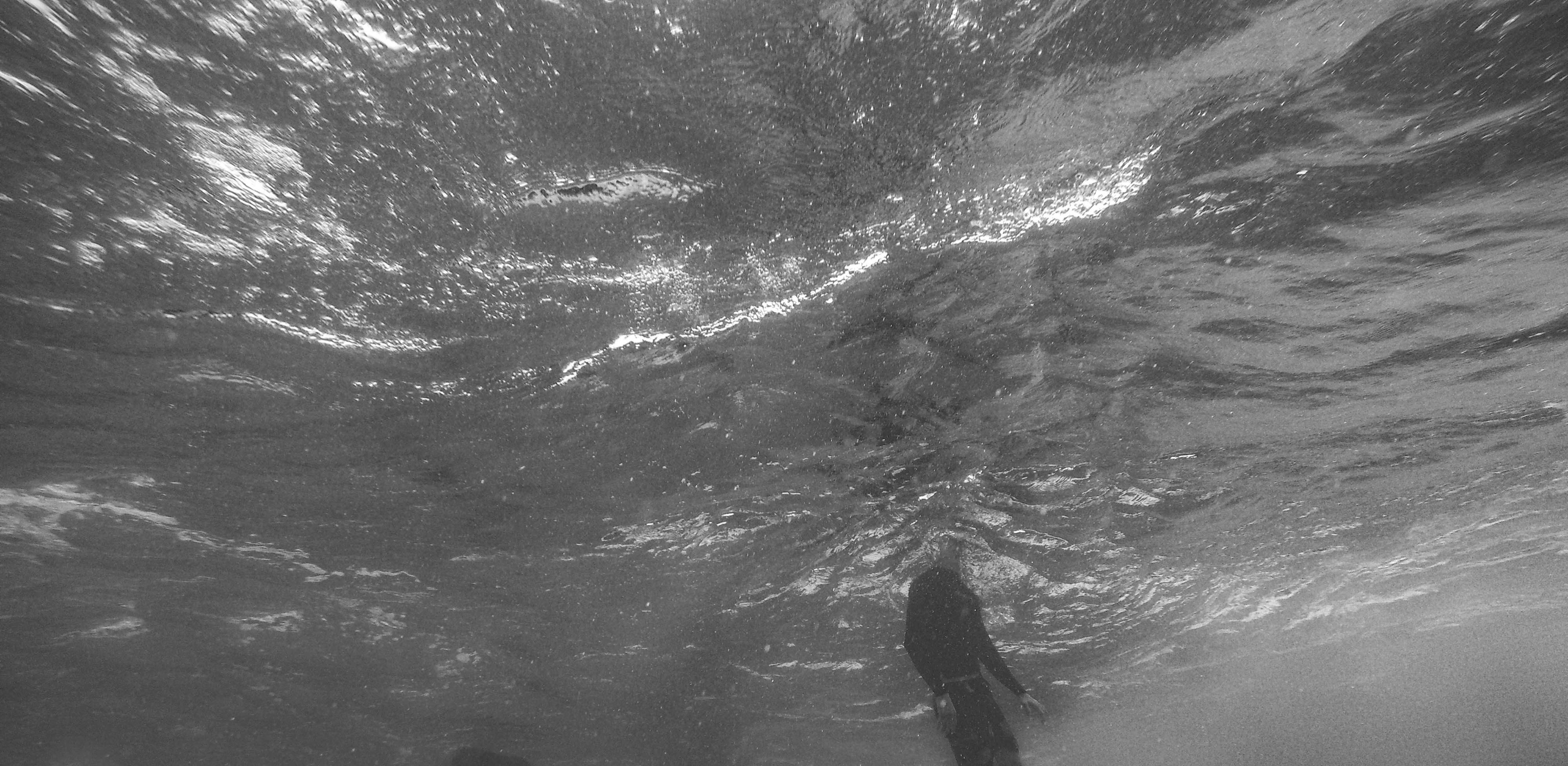
‘A tale of blissful agony’
Swimming in the Dark is far more than a love story; it’s a poignant exploration of the intense intersection between personal identity and political oppression. Our introspective protagonist, Ludvik, is caught in a web of emotional and ideological turmoil that reflects the broader societal struggles of the time. The novel’s setting — 1980s Poland under the iron grip of Soviet influence — serves as both a backdrop and a character in itself, shaping and distorting the lives and choices of those who inhabit it.
Jedrowski masterfully portrays the suffocating atmosphere of a regime that not only controls public life but also invades the most intimate corners of personal existence. This intrusion is keenly felt in Ludvik’s burgeoning relationship with Janusz, a romance that is intoxicating as it is dangerous. Their love affair, filled with robbed moments and whispered secrets, mirrors the larger struggle for freedom in a society where every action is scrutinised, and every deviation from the norm is met with harsh consequences.
The novel is infused with an underlying sense of melancholy — a bittersweet acknowledgement of the fleeting nature of happiness in a world where love is a risk. Jedrowski does not shy away from depicting the reality of living under oppression, where the threat of mere discovery looms large over Ludvik and Janusz’s relationship. Yet, amidst the bleakness, there are moments of pure beauty — glimpses of what could be were the world a different place. These moments of tenderness are rendered with exquisite detail, making the eventual heartbreak all the more devastating.
What makes this romantic tragedy particularly compelling is its exploration of the contradictions inherent in human nature. Janusz, Ludvik’s lover, is a character of complexities — a man who, despite his passionate love for Ludvik, chooses a path of conformity, seeking safety in the very system that seeks to destroy them. This betrayal, both personal and ideological, is at the heart of the novel’s emotional power — a power that will leave you both smiling and tearing up simultaneously. Ludvik’s struggle to reconcile his love for Janusz with his disdain for the choices he makes is a reflection of the broader conflict between individual desire and societal expectations.
Jedrowski’s prose is highly lyrical and evocative, capturing the yearning and despair that permeates Ludvik’s world. The novel is rich with literary allusions, particularly to James Baldwin’s Giovanni’s Room which serves as both an inspiration and a mirror to Ludvik’s own story. Like Baldwin’s work, this is a tale of forbidden love; of individuals caught between their desires and the harsh realities of the world they live in.
This haunting yet beautifully written novel will inevitably linger in your mind long after the final page is turned. It is a reminder of the enduring power of love and the resilience of the human spirit, even in the face of utterly overwhelming odds. For anyone who has ever felt the sting of forbidden love or the weight of a whole host of societal expectations, this novel will resonate deeply. Jedrowski has crafted a story that is, yes, specific to its time and place but also universal in its themes of love, loss, and the search for personal freedom. Here, quite simply, we have a masterpiece.
Photo credit: Unsplash




Leave a Reply