
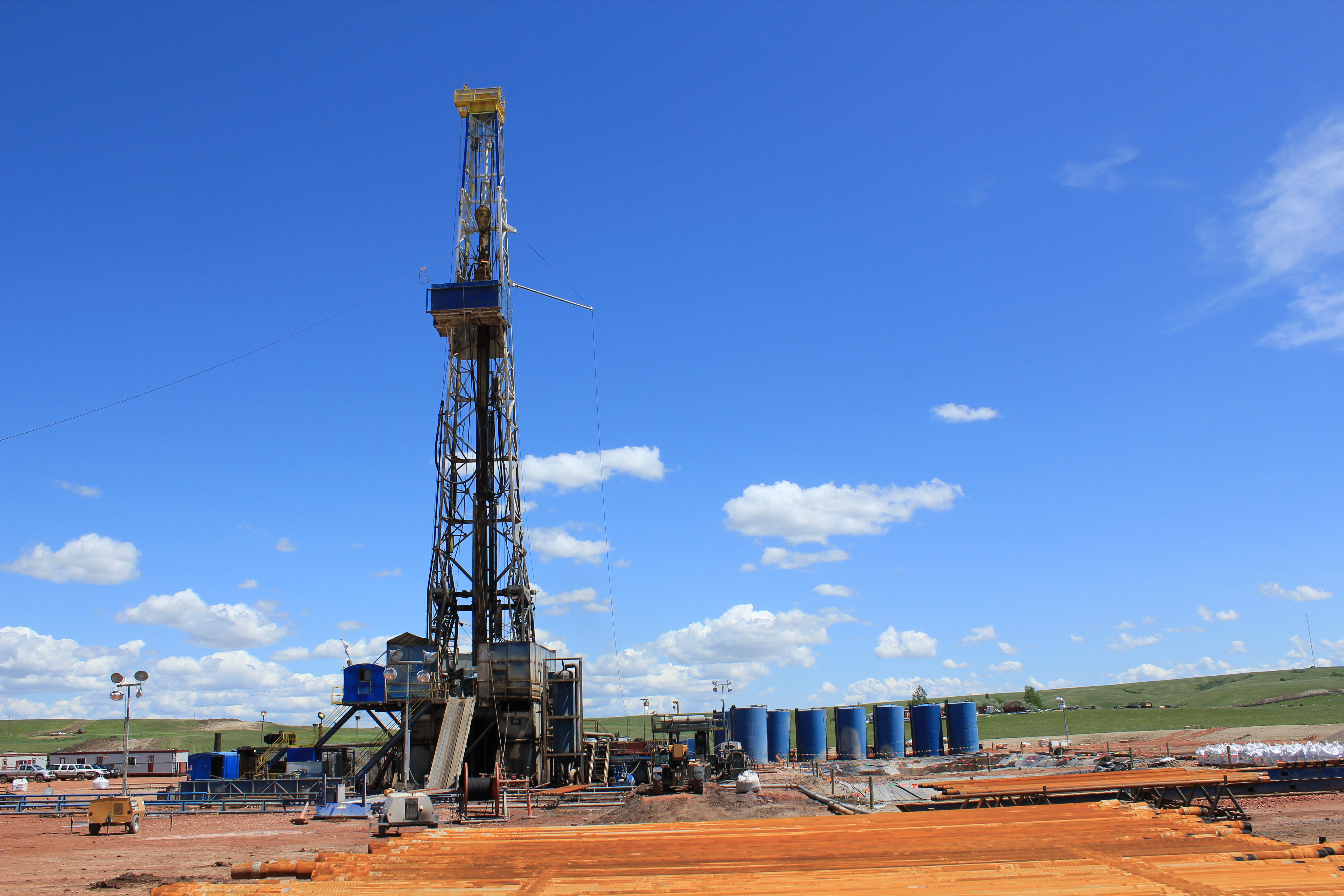
As parliament returns from summer break, there are a huge number of issues on the agenda for Keir Starmer. With 15 national heat records being broken since the start of 2024, the human caused climate crisis is one of the most pressing of all.
Rosebank is owned by the Norwegian oil company, Equinor, and in 2023, the Conservative government permitted Equinor to develop the field. It’s the biggest oil and gas site in the North Sea and would lead to over 200 million tonnes of carbon dioxide being produced. Due to the severity of the climate crisis, it is unsurprising that environmental organisations like Greenpeace and Uplift have taken the government to court.
At the end of August, the UK government announced it would not block the continued legal fight against the licenses granted to the Rosebank oil field in the North Sea. This decision means the UK government will no longer legally defend the oil company in the court case brought by Greenpeace and Uplift. The environmental organisations are pleased with the recent decision, despite the fact this does not, by itself, mean that Equinor’s license has been removed.
In June, the UK Supreme Court announced that scope 3 emissions – emissions associated with the burning of extracted oil and gas – must be included when assessing the environmental impact of a new project. This forces fossil fuel companies to be more transparent about their carbon emissions, therefore adding more weight to fossil fuel court cases.
The Department for Energy Security and Net Zero under Sunak’s government said North Sea oil and gas projects will increase energy security and lower bills for UK households. However, this has been proven incorrect. Due to the ownership of the oil fields by private companies, 80% of the extracted oil is actually exported to be sold on international markets, meaning this does nothing to improve security in the UK. Similarly, energy bills are not lowered as the UK has little control over the costs of oil and gas on these international markets.
Equinor would receive £3-4 billion in tax breaks from the UK government, effectively paid for by the British public. The Conservatives claimed this would be financially worthwhile due to the money it would bring back to the UK economy, but given fluctuating global oil prices, there is potential this figure would not be recouped. In a Guardian interview, the COP26 president Alok Sharma said “The government has said this bill is about protecting energy security. But the reality is, the oil and gas extracted from the North Sea is owned by private companies – the government doesn’t get to control who they sell to.”
In an interview with Oceanographic Magazine, Labour Energy Minister, Michael Shanks, said, “While we make that transition [to renewables] the oil and gas industry will play an important role in the economy for decades to come”. However, a recent World Meteorological Organisation report announced there is an 80% chance of at least one year temporarily exceeding 1.5°C this decade, causing catastrophic climate tipping points to be triggered. With fossil fuels accounting for 75% of greenhouse gas emissions, scientists say it is paramount that fossil fuels are phased out as quickly as possible.
Extracting the oil from Rosebank alone – not even including burning it – would push us past our total carbon budget for burning fossil fuels from 2028 onwards, and when these reserves are burnt, as much carbon dioxide as 56 coal-fired power stations will be produced. “It’s impossible to reconcile approving a huge new oilfield like Rosebank with the UK meeting its climate obligations.” Says executive director of Uplift Tessa Khan in a Guardian interview. Similarly, former Green Party MP Caroline Lucas has called Rosebank “morally obscene”.
The recent news is a step in the right direction for scientists and environmentalists in the fight against Rosebank, but things are far from over. The legal case over the next few months is vital in determining the future of North Sea oil and gas.
Image Credit: WikimediaCommons





Leave a Reply