
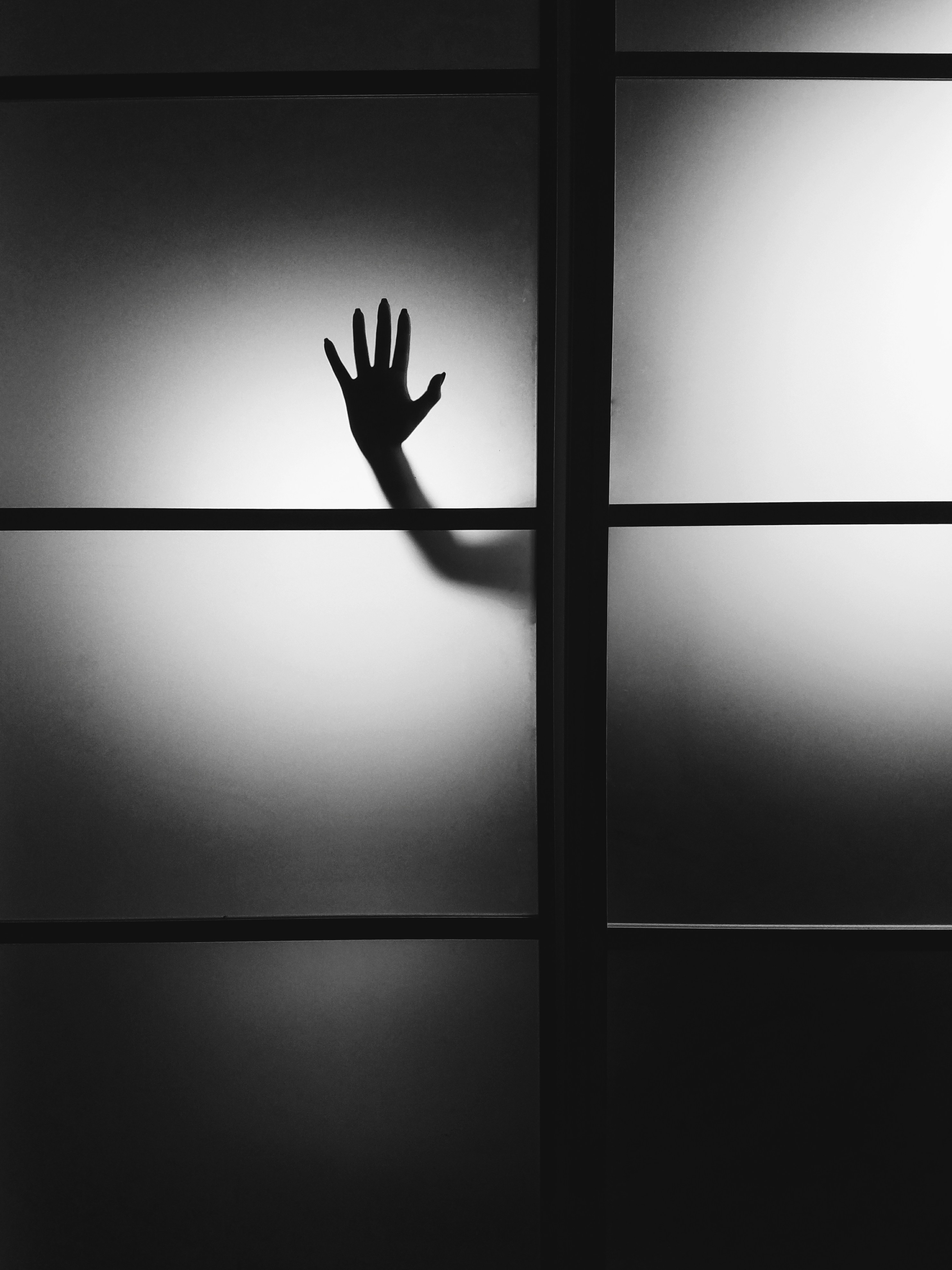
Horror is a vast and old genre, full of different stories, aspects, and cliches – but what makes a story fall into the genre of ‘horror’ as opposed to another, for example ‘thriller’ or simply ‘crime’? Horror cannot just be fear inducing, otherwise they would just be ‘scary stories’. For something to be horrific, perhaps there needs to be some element of gore or disgust which makes the consumer want to recoil. We seek the hair-raising, the strange and odd, things irregular to our everyday lives.
It would be easy to see how early horror would have been a method of delivering advice: cautionary tales against threats to life and safety. But as humans have developed their world into something more, with the intricacies of homeownership and banking, there opens up a whole new space for invasive threats, rather than just the basic loss of life. Much horror now is not even about dying, but about how awful living could become. In the modern world we are allowed to demand comfort, and the denial of that can come as a shock: whoever denies that comfort sometimes becomes inhuman to us, more like a force. We are very aware of the separation of humans from all else natural (or otherwise) on the planet. Therefore, there is a depth of horrific scenarios to be plumbed surrounding the idea of inhumanity, whether that be a human losing their humanity, or some other entity encroaching on our territory.
Something more unique to the way we experience horror stories in the modern world is that it is much more isolated. Oral tales are, by necessity, shared between two people at least. There is safety in numbers when listening to a story. Today however, whether reading a horror novel or watching a horror film, you are able to consume this completely alone. Usually, one feels safe and secure in the place they are able to let their guard down to enjoy some media, but if that media is horror, this isolation works to the advantage of the genre. It is much easier to be terrified by a novel alone in the dark than when sat beside a friend.
This brings us to the habit of modern horror to make the familiar uncomfortable. This corruption of the comfortable is a habit which lingers in the sphere of horror tales today. We are all too familiar with the comfort we expect, and so we fear its loss intensely. There is a well-worn home in our minds where the feelings of comfort reside, but the stripping of loveable elements from something we know so well turns that home into an isolated wreck. Like seeing the back of your own hand without its protective blanket of flesh, we are exposed to a familiar object in a completely new way – a way which we instinctively recoil from.
The other prevalent method of prompting feelings of horror in stories is through the opposite of taking away comfort: through adding something awfully strange. The supernatural is an integral aspect of many horror stories and to the development of the genre as a whole. Sometimes the scariest possible outcome of a horror story ends up being that the perpetrator was ‘only’ human instead of some malevolent supernatural force. This is because when it is something unnatural, there is no threat of it happening in real life, whereas we learn of more and more horrors every day which occur in real life. It is terrifying to think that you could be in one next.
Credit: Unsplash


Leave a Reply