
As a Black British student at UEA, Black History Month serves as more than just an opportunity for celebration—it’s a call to reclaim the stories, voices, and legacies that are too often neglected on predominantly white campuses. For me, my identity as both British and Ghanaian informs my perspective on what it means to be Black in a university setting where history feels incomplete and representation is scarce.
Being Ghanaian connects me to a rich cultural heritage, but being Black British means navigating a system that often overlooks or simplifies that history. Here at UEA, the absence of Black stories within the curriculum and campus life reminds me of how crucial it is to not only create space for those histories but to reclaim them actively. Black history is not a sidebar—it is integral to understanding the full scope of human experience, and yet, it remains marginalised. Reclaiming Black history on campus is about confronting that marginalisation and insisting that our stories matter, that they belong in academic discussions and cultural dialogues alike.
Walking into lectures and seeing predominantly white faces can be alienating. The feeling of being “the only one” in a classroom makes you hyper-aware of your identity, and there’s an unspoken pressure to perform perfectly. This experience is not unique to UEA but is exacerbated by the campus’s lack of diversity. While the university is making strides in fostering inclusivity, this alienation is still a reality for many Black students.
UEA has taken steps to promote diversity, with initiatives like the Decolonise UEA initiative and the Black Humanities Project, which provide students of colour with platforms to explore and celebrate their histories. As a participant in the Black Humanities Project, I’ve seen how these efforts challenge dominant Eurocentric perspectives. This project isn’t just about academic enrichment—it’s about empowerment. It reminds us that Black students deserve to see themselves reflected in their studies, their Professors, and their university’s culture.
The Black Humanities Project, which emerged from the Decolonise LDC group, addresses the degree-awarding gap between white students and students of colour. This gap is more than just a statistical disparity; it’s symptomatic of deeper issues within higher education. By pushing for a more diverse curriculum and empowering younger students from ethnically diverse backgrounds, we’re saying that Black students should never feel like outsiders in these spaces.
However, while these initiatives are commendable, the day-to-day reality of being a Black student at UEA is still challenging. Even with schemes like the Student of Colour Ambassador program, which aims to close the degree gap and foster a sense of community, the experience of walking into lectures and seeing mostly white faces is still isolating. The lack of representation within academic settings reinforces the sense that Black students are exceptions, not the norm.
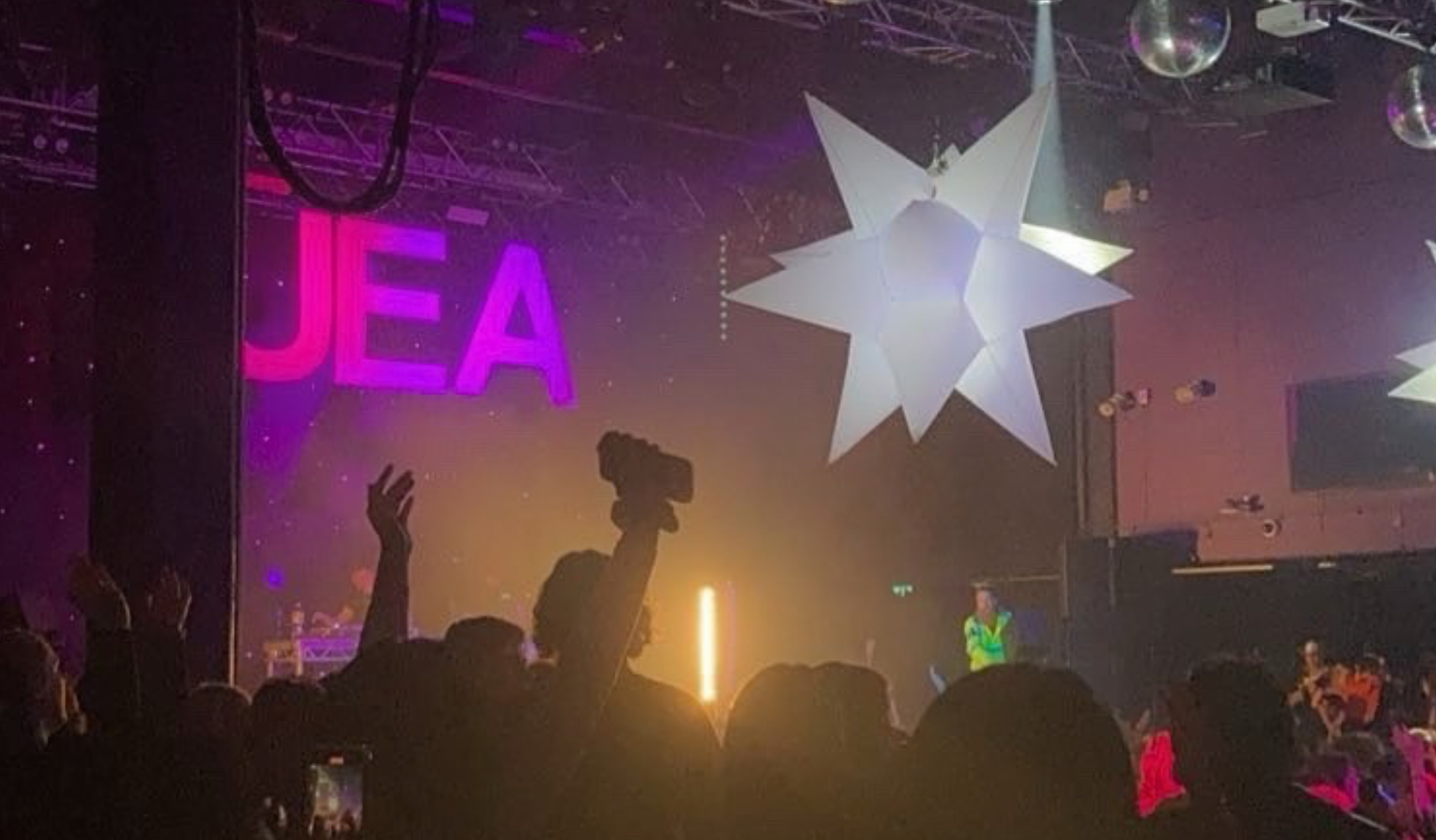
The African stalls and cultural showcases held this month are wonderful celebrations of Black creativity, but they should be more than fleeting moments of recognition. The cultural showcase at the Waterfront, featuring artists like Isamya, Taf Royale, and H@wi, highlights Black talent and contributions. Yet, it begs the question: what happens when the month ends? When the stalls are packed away, will our stories remain visible?
Reclaiming Black history means ensuring that Black stories and voices are heard year-round. It means pushing for a curriculum that integrates Black experiences, not as an afterthought but as a central part of academic life. It’s about ensuring that Black students feel seen, valued, and empowered—not just in October but throughout their entire university experience.
Photo Credit: UEA SU




Leave a Reply