
Content Warning – Contains discussions of suicide, mental health conditions and violence.
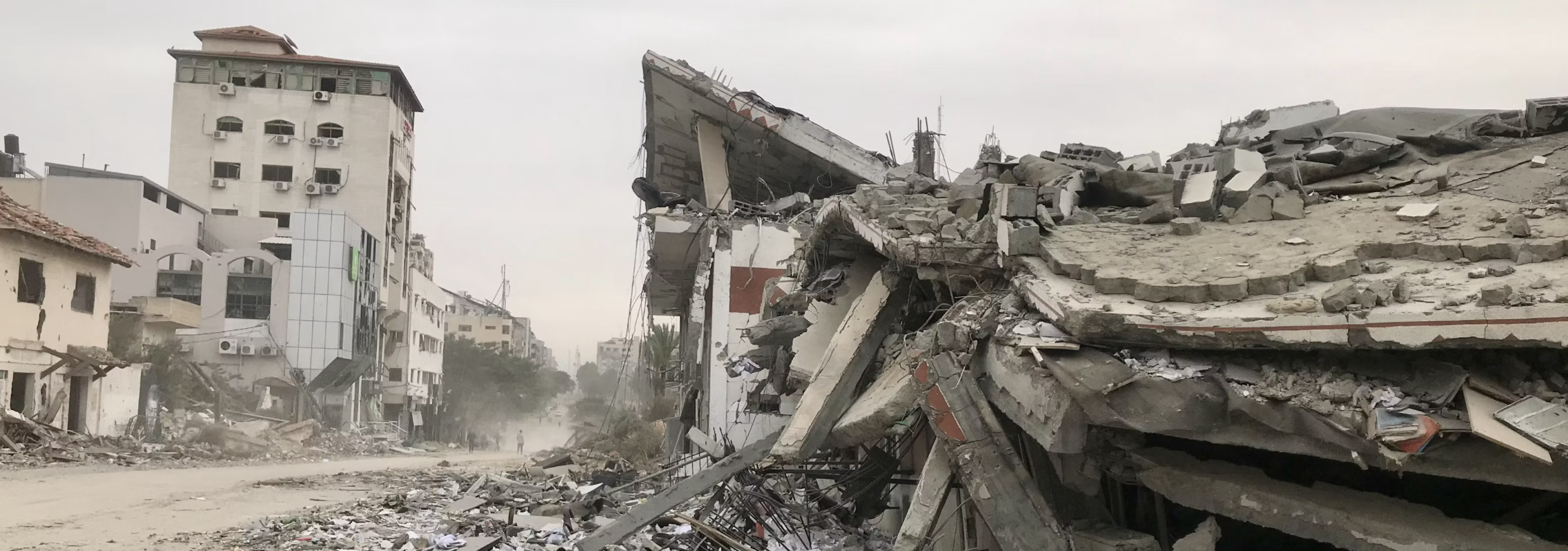
The situation in Lebanon and Palestine has reached a terrifying and heartbreaking point. It’s all over the news; bombings, casualties, and threats of more violence to come. The facts and figures are available for everyone to see, but what you don’t hear as much about is how this conflict is impacting the Arab diaspora. We may be far from the physical battlefields, but the emotional toll is staggering.
We, Arab students, are living in a constant state of fear, anxiety, and helplessness. It’s hard to describe the feeling that hangs over us every day. It’s not just about watching the news and being horrified at what we see. It’s something deeper, something that sinks into your bones and affects every part of your life.
Here on campus, every time a helicopter flies over, we flinch. We tense up, our hearts start racing, and we feel an overwhelming sense of dread. It might seem irrational to someone who isn’t connected to the situation, but for us, those sounds trigger memories, trauma, and fears we’ve grown up with. It’s like the violence we’ve seen in videos and heard about from our families has followed us here, even though we’re thousands of miles away. This constant state of hyper-awareness and fear isn’t something we can just shake off.
Mentally, we are not okay. Anxiety, depression, and PTSD are rampant among many of us. These are not just labels; they describe our experiences right now. Many of us have completely lost our sense of mental stability. Our minds are constantly racing, and it feels like we’re living in two worlds: the one we’re physically in, where we attend classes, try to focus on assignments, and act like life is going on as normal; and the one where our families and people are suffering, where war is a daily reality.
Personally, I’ve reached a breaking point. Just this week, I’ve been to A&E three times because I couldn’t cope. I even had the crisis team come to my house after a suicide attempt. That’s how deeply this conflict is affecting us. The weight of helplessness, of watching our people suffer while being unable to do anything, is suffocating. It feels like we’re screaming into the void, and no one is hearing us.
We’re trying to keep up with our studies, but how can we focus when we’re constantly worried about our families and friends back home? How do we write essays or prepare for seminars when we feel like our world is crumbling? It’s impossible to switch off this fear, this grief. We’re not just upset or angry, we’re traumatized. Every day we wake up wondering what new horrors we’ll have to witness, and that fear follows us into every corner of our lives.
What we really want is peace. We want the war, the bombings, the terror to stop. But it’s hard to even imagine peace anymore. Does peace exist, or is it just a dream we keep clinging to in the hope that one day things will change? We don’t know. Right now, it feels like that dream is slipping further and further away. The longer this ethnic cleansing and occupation continues, the more distant the idea of peace seems.
As Arab students, we’re living this conflict emotionally and mentally every single day. We don’t just see it in the news; we feel it in our hearts and minds. The fear, the anxiety, the trauma, it’s all-consuming. We can’t handle it anymore. We’re just trying to survive day by day, holding onto the hope that someday, somehow, the violence will stop.
This isn’t just a political issue for us, it’s personal. It’s about our families, our homes, and our futures. We’re scared, we’re broken, and we’re desperate for something to change. Until then, we’ll keep living in this limbo, hoping that the world will finally see our pain and understand that we just want to live in peace.
But right now, peace feels like a dream that’s getting harder and harder to hold onto.
If you or anyone you know have been affected by any of the issues raised in this article, you can seek campus-based help via Student Services and AdviceSU.
All UEA SU Officers write in a guest capacity. Any views expressed are that of the individual and no not necessarily reflect those of Concrete or UEA SU.
Photo Credits: Unsplash



Leave a Reply