
It cannot be overstated how huge Green Day were in the 90s, breaking through with Dookie in 1994. After 2000’s Warning undersold, the band were in a creative slump. The original plan was to make an album called Cigarettes and Valentines, but after the master tapes were stolen (or more likely, the band just weren’t happy with the sound), they changed tack.
With encouragement from producer Rob Cavallo, the band set out to make their biggest record yet, the concept rock-opera American Idiot. It has since gone on to sell 23 million records worldwide, being certified six times with a platinum status in the United States and Australia, diamond in Canada and 8 times platinum in the UK.
The album follows the self-proclaimed “son of rage and love” – the Jesus of Suburbia, a disillusioned young man who leaves his broken home for the promise of the city. There he meets the revolutionary Whatsername and awakens his dark alter-ego St. Jimmy. He finds himself torn between these two forces: the idealised revolution that Whatsername offers and the addictive self-destruction that Jimmy represents. These self-destructive habits lead to his relationship with Whatsername falling apart, and he realises that he has become what he always hated – the titular American Idiot. The album ends in a sombre contrast to its grandiose beginning – with Jesus returning home alone, forever changed by his time away.
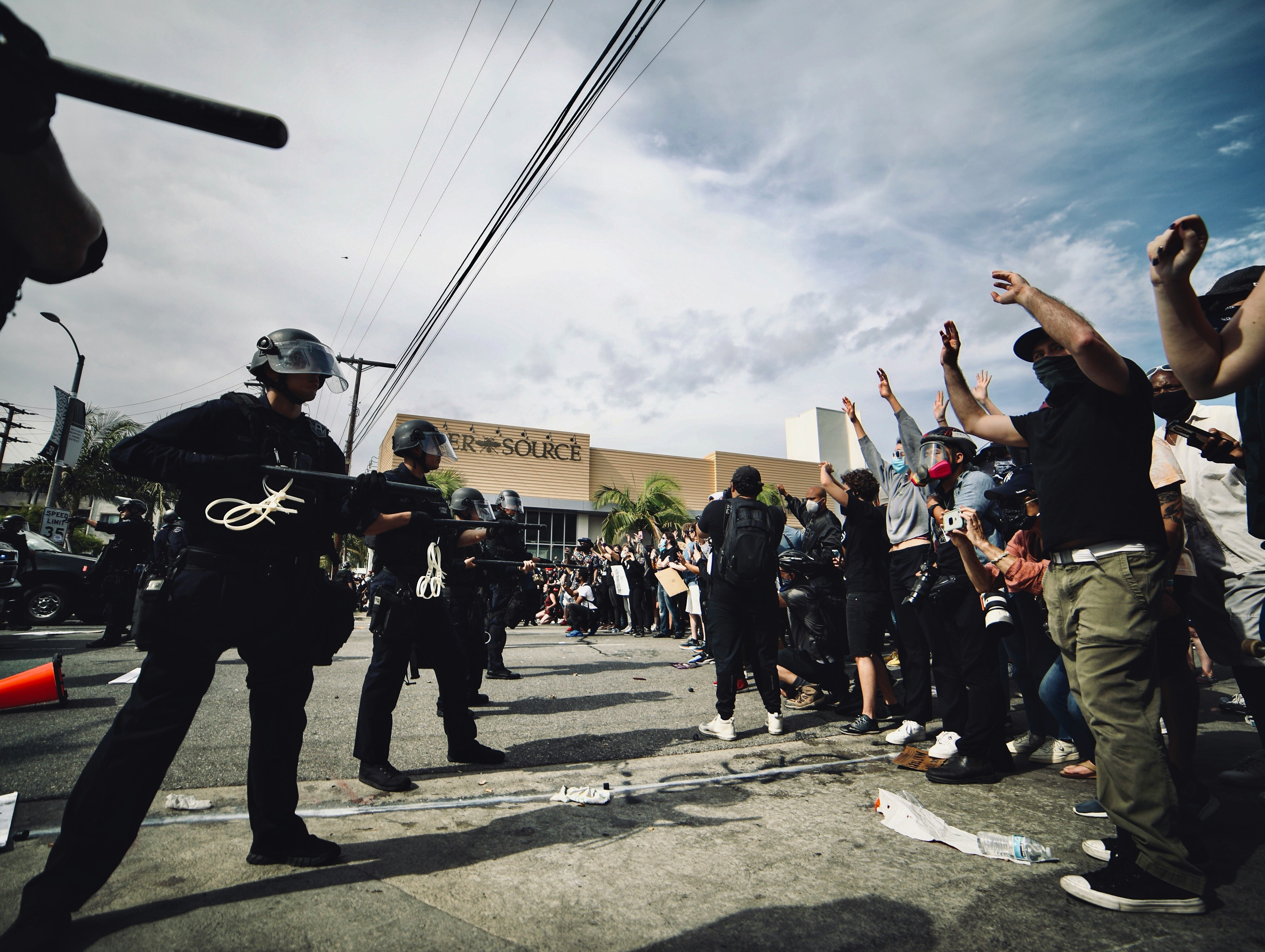
Overshadowing the whole album is the disillusionment and disenfranchisement that many American youth felt in the fractured post 9/11 America. Whilst he is never explicitly mentioned on the record, there is an incredibly strong anti-Bush sentiment and heavy criticism of the then recently launched war on terror and the Iraq War.
2004 marked the start of a turning point in public sentiment towards the war. American Idiot came during the perfect time, capturing a nation’s frustrations and articulating them into powerful protest. The titular track ‘American Idiot’ directly calls out the media’s use of propaganda to sow paranoia among the people, whilst ‘Holiday’ is as angry a critique of Bush could be without mentioning him by name.
Whilst the album is inherently political, what makes it truly timeless is that the story also speaks to something both personal and universal. The incredibly personal ‘Wake Me Up When September Ends’, a song about the death of lead singer Billie Joe Armstrong’s father when he was a child, has since become a universal song of mourning, especially in the context of 9/11. At its core, the album is about being lost in a world where everything is trying to influence you, and desperately trying to find where you belong.
Twenty years on and American Idiot hits harder than ever. A deluxe version released earlier this year and the recent worldwide Saviors tour, in which the band play the album in full, has enjoyed sold-out arenas of fans screaming back every word. Armstrong regularly changes certain words of the more politically charged songs, like ‘Holiday’ and ‘American Idiot’ to reflect current events.
The world is more heavily saturated with media than in 2004, with it now practically always at our fingertips. The fears of mass media control, xenophobia and propaganda that American Idiot grapples with are fears that have unfortunately only grown stronger in contemporary society, so the album will undeniably continue to resonate more and more in the coming years. “For that’s enough to argue”.
Photo by Shot By Joe on Unsplash





Leave a Reply