
Queer people using clothing to express and show off their identity is no new thing. Anyone in the LGBTQ+ community will have heard the many jokes regarding buttoned shirts, dyed hair and cuffed jeans. Though these things are not really a serious way to figure out someone’s label, there is a long history of queer people communicating to other queer people through their outfits. This was especially significant in the past, since this was the only way they could express their identity without fear of prosecution. February is LGBTQ+ history month, which makes it the perfect time to have a look into the history of queer style and the influence it has had on both mainstream fashion and society in general.
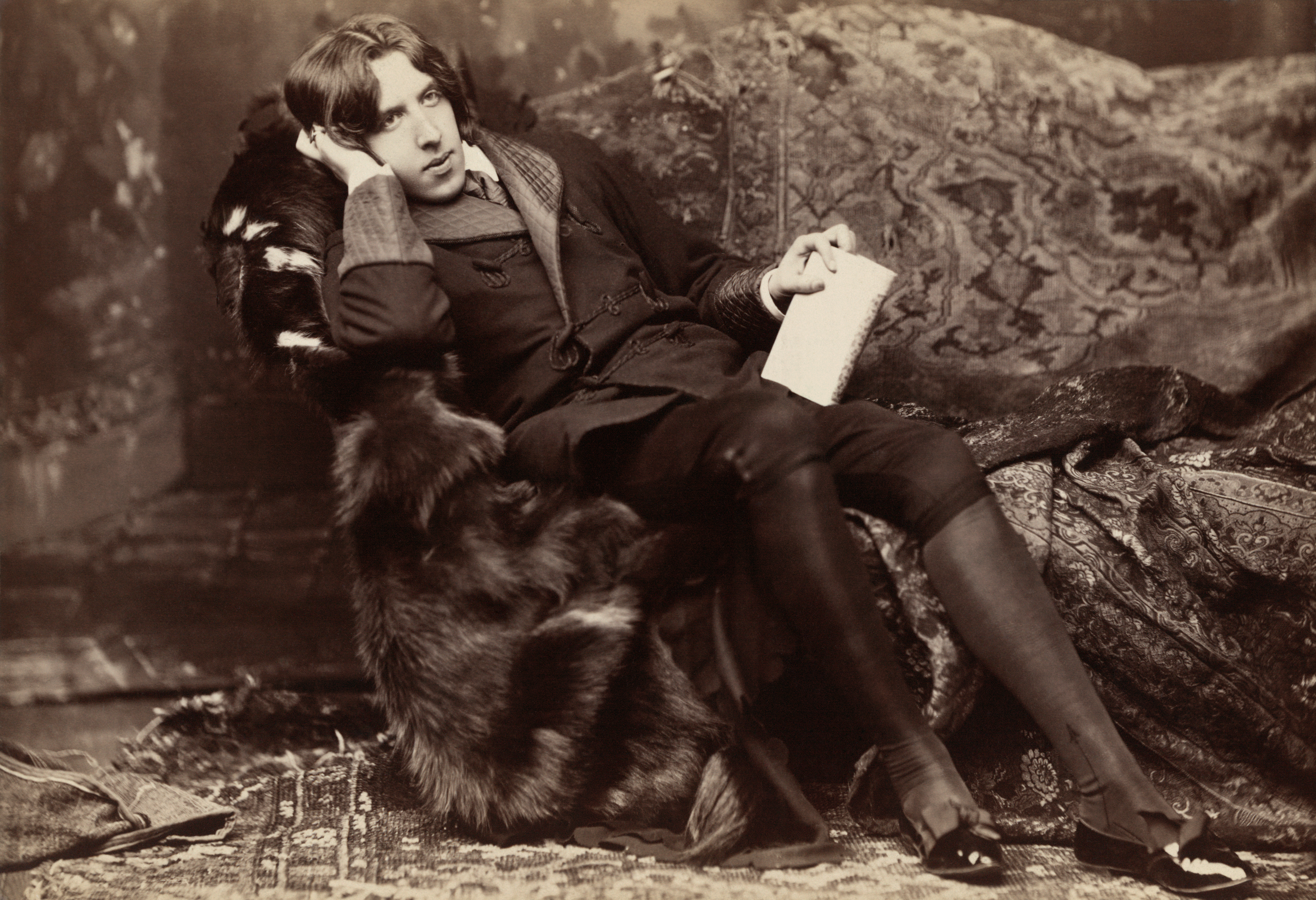
One of the most famous and influential gay men in history was Oscar Wilde. He was one of the earliest known men who fulfilled the stereotype of a gay man that dresses and acts flamboyantly and became the leading figure of the aestheticism and decadence artistic movements, which were all about hedonism and self-pleasure. His unique and exciting sense of style was associated with a kind of flashy dandyism that later became synonymous with homosexuality. He supposedly wore a green carnation on his lapel as a discreet signifier of his sexuality, and this later became an insider symbol that meant the wearer was a gay man.
The popular upper-class menswear fashion of Wilde’s time also became the blueprint for the lesbian fashion of the twenties and thirties. This even reached the silver screen, with Marlene Dietrich, a bisexual actress, becoming known for her androgynous style and frequent wearing of menswear. Dietrich’s influence on the fashion world to this day is undeniable, with countless modern red carpet looks paying homage to her. Perhaps her most iconic outfit was the tuxedo she wore in the movie Morocco, which inspired one of Yves Saint Laurent’s most notable creations, ‘Le Smoking’, a trouser suit for women.
The twentieth century saw a significant number of queer male designers, including huge figures like Cristobal Balenciaga, Pierre Balmain and Christian Dior – all of which have become household names. Though it is hard to say if their identities had a profound impact on their designs, it is true that these designers have done a lot for the history of fashion. A lot of people might find it surprising that so much of the fashion world was shaped by queer men.
In the latter half of the twentieth century, the world began to become increasingly open towards the LGBTQ+ community. Events such as the Stonewall riots in 1969 sowed the seeds for significant social and legal change, and were lead by drag queens, like Marsha P. Johnson. The influence of drag artistry on the fashion world is absolutely immeasurable, and numerous designers have released collections that take a little or a lot of inspiration from it. A recent example of drag artistry and fashion intersecting is Chappel Roan and her incredible red carpet and stage looks, which she herself has said have inspirations in drag culture.
In the seventies and eighties, the music genre of glam rock became really popular, and many of its most famous musicians were bisexual, such as Freddie Mercury and David Bowie. Glam rock was synonymous with flamboyance (which seems to be a recurring theme amongst queer fashion), through its glitter, heavy makeup, high-heeled boots and just general androgyny.
Where does that leave us now? Luckily, we have come a long way from the times of Oscar Wilde, and queer people don’t need to wear coded accessories like green carnations to let others know about their identity. American supermarket Target famously releases a collection of clothing that celebrates LGBTQ+ identities every year around pride, and though there is a significant group of people who are critical of it, it seems that they are a vocal minority. As time goes on, we can hope that this minority becomes smaller and smaller.
Photo credits: Wikimedia Commons


Leave a Reply