
Theatre has pushed boundaries since its birth. Blurring borders between reality and performance, the stage is an excuse to take things to extremes, encouraging audiences to question what they assume to be correct. The theatre is particularly radical in critiquing the rigidity of relationship norms, prompting viewers to question their connections to people around them, enabling them to see relationships in unexpected lights.
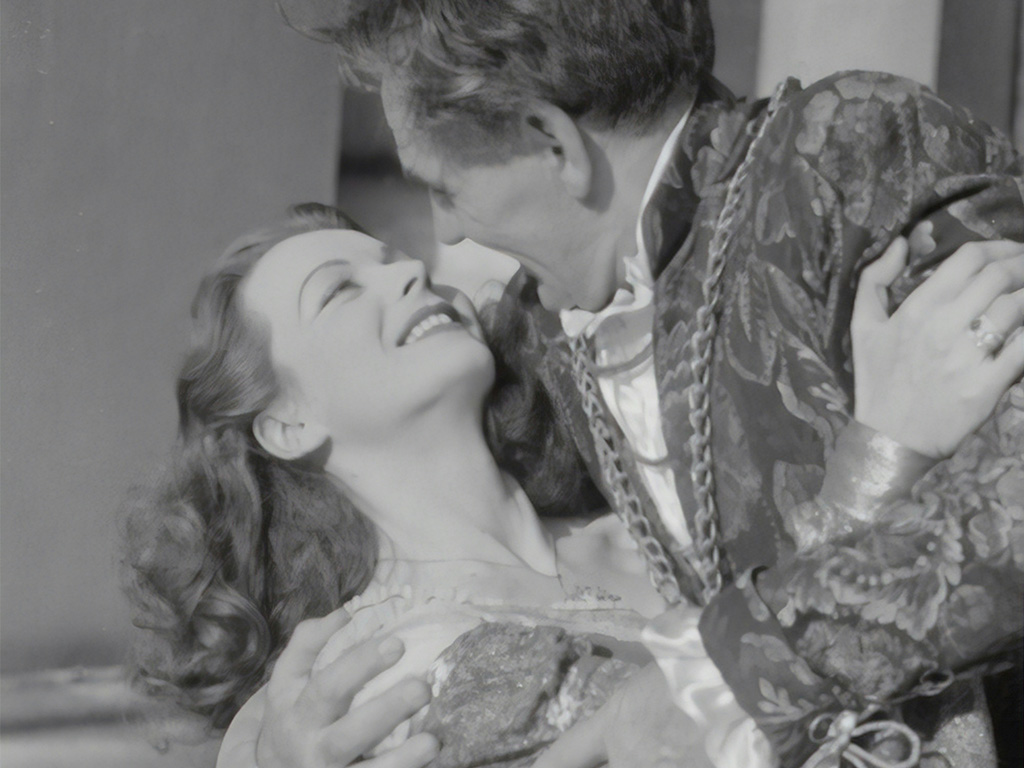
When thinking about theatre’s history of challenging relationship norms, it is only right to begin with the father of the stage: William Shakespeare. His play, Twelfth Night, stands as his most unconventional exploration of relationships. The play follows Viola, a shipwrecked woman, who makes a new life for herself by climbing the ranks of the Duke Orsino’s court. Ultimately, she becomes his most trusted advisor and attempts to help him win the affections of the beautiful Olivia. The twist? Viola spends most of the play dressed as a man, calling herself ‘Cesario’. This creates a delightfully chaotic plot as Olivia develops feelings for Cesario, Viola for Orsino, and Orsino… is mainly just infatuated with himself, though recent performances of the play (like the Globe’s 2017 rendition) hint at his subtle homoerotic longing for Cesario. These chaotic mistaken identities create a swarm of queer confusion within the play, disrupting heterosexual confinements. It is highly probable that this abundance of queerness created quite the scandal among Shakespeare’s audiences, making the play particularly subversive when considering actors of the time were all men! Therefore, Twelfth Night’s comedic exploration of the fluidity of sexuality invites its audiences to challenge fixed societal expectations of relationships, encouraging them to celebrate unconventional stances on love.
Fast-forwarding to modern theatre, Pheobe Waller-Bridge’s play Fleabag takes a vastly different approach when critiquing relationship norms. Originally performed as a one-woman show at the Edinburgh Fringe in 2013, Fleabag chronicles the life of a woman grappling with the tribulations of grief, sex, family, and friendships. The absence of other characters means Waller-Bridge uses the audience as a confession booth to tell the eponymous character’s life story. In this way, the audience becomes a character in the play – they must decide for themselves how to respond to Fleabag’s tale since interactions between characters are non-existent. By creating an intellectual intimacy with her audience via this confessional manner, Waller-Bridge builds an unbreakable bond with them. Fleabag therefore challenges conventional notions of romance through its focus on a close relationship with its audience, proving love can be found in unexpected places. And, as it is Fleabag’s affection for her audience that drives the play, this also shows that the most important love need not be romantic, despite what society makes us think.
Though these two plays are vastly different, they both showcase the theatrical legacy of disrupting societal norms. By disputing the rigidity of relationships, Twelfth Night and Fleabag show audiences that love is more multifaceted than society leads them to believe, demonstrating the theatre’s immense power as a catalyst for personal and societal critique.
Photo Credit: Unsplash




Leave a Reply