
The aggressive exchange in the Oval Office, between the President Trump, Vice-President Vance and the Ukrainian President, Zelensky was watched and retweeted in disbelief by the world.
After a long couple weeks of diplomacy, the Prime Minister, Sir Kier Starmer, maintaining his “unwavering support” for Ukraine, relayed to the House of Commons Europe’s next cause of action. He faced questions and mainly support from the House, including from the leader of the Reform Party, Nigel Farage.
With his typical shpiel about Brexit that caused a stir in the House, Farage went on to “applaud [Starmer] for saying such positive words about President Trump and our relationship with America, even if nobody behind him agrees.” This was followed by boos by the majority of those in attendance.
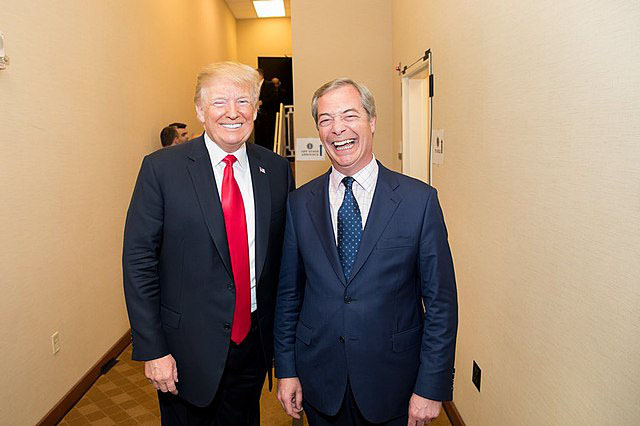
Farage’s friendship with Trump has been somewhat of a boasting point for the MP for Clacton, and something he increasingly valued after Trump was elected for a second time. However, the President’s rash decisions and what some would call, his media stunts, Farage has had an interesting time in interviews recently.
So, what does this friendship mean for Farage and his Party?
The balance between his support for Trump and the UK’s public opinion on the war in Ukraine has been a trickly one to manage. The polls suggest that Britons dislike for Trump runs deep, with 80% saying they viewed the US president unfavourably, compared with 73% two weeks earlier. Despite this, Farage in an interview with LBC, echoed Trump and Vance’s rhetoric; “I think [Zelensky] played it badly…I wouldn’t expect a guest to be rude in my house. If I turned up at the White House, I’d make sure I was wearing a suit, and my shoes were clean.”
For one that has accused the government of being ‘out of touch’, the Reform leader has since been accused of the same thing for his comments and as a result, his position in the polls has decreased. Starmer’s popularity, on the other hand, has increased, albeit marginally, after months of declining public opinion.
For a time when local elections are just around the corner, at least the ones that aren’t affected by devolution (including Norfolk and Suffolk), Farage will likely be worrying about how his party and as the leader of it, how he, appears to the general public – especially when Reform is predicted to do well. While the local elections are not focused on international or even national affairs, Reform’s response to this global issue could have an effect on how they perform.
And if it is not about Farage’s stance on Ukraine that affects their performance, then the internal conflict in the party might. The MP for Great Yarmouth, Robert Lowe, has been suspended from the Reform Party after bullying accusations. After Farage wrote a piece in The Telegraph, saying how the suspension was the right thing to do, a feud has ensued between the two. The sense of unity Farage wanted to paint, as he put it, “has been dented” and this could have an effect on how well they do in the local elections.
It is difficult to tell how much voters care about these issues, especially when local election turnout is so low, however, what is clear, is that while public opinion on Farage has been polarising, it appears that he is not as popular as he previously was.




Leave a Reply