
In the modern gaming landscape, few models have been as successful—yet as controversial—as the free-to-play (F2P) gacha system. Once a niche monetisation strategy, it has since dominated the mobile and live-service gaming industry, with titles like Genshin Impact, Jujutsu Kaisen: Phantom Parade, and Love and Deepspace exemplifying its strengths and shortcomings. While these games offer immersive experiences that captivate millions, their monetisation practices expose an exploitative side of game development that raises ethical concerns.
The Gacha Model: What Makes It Work?
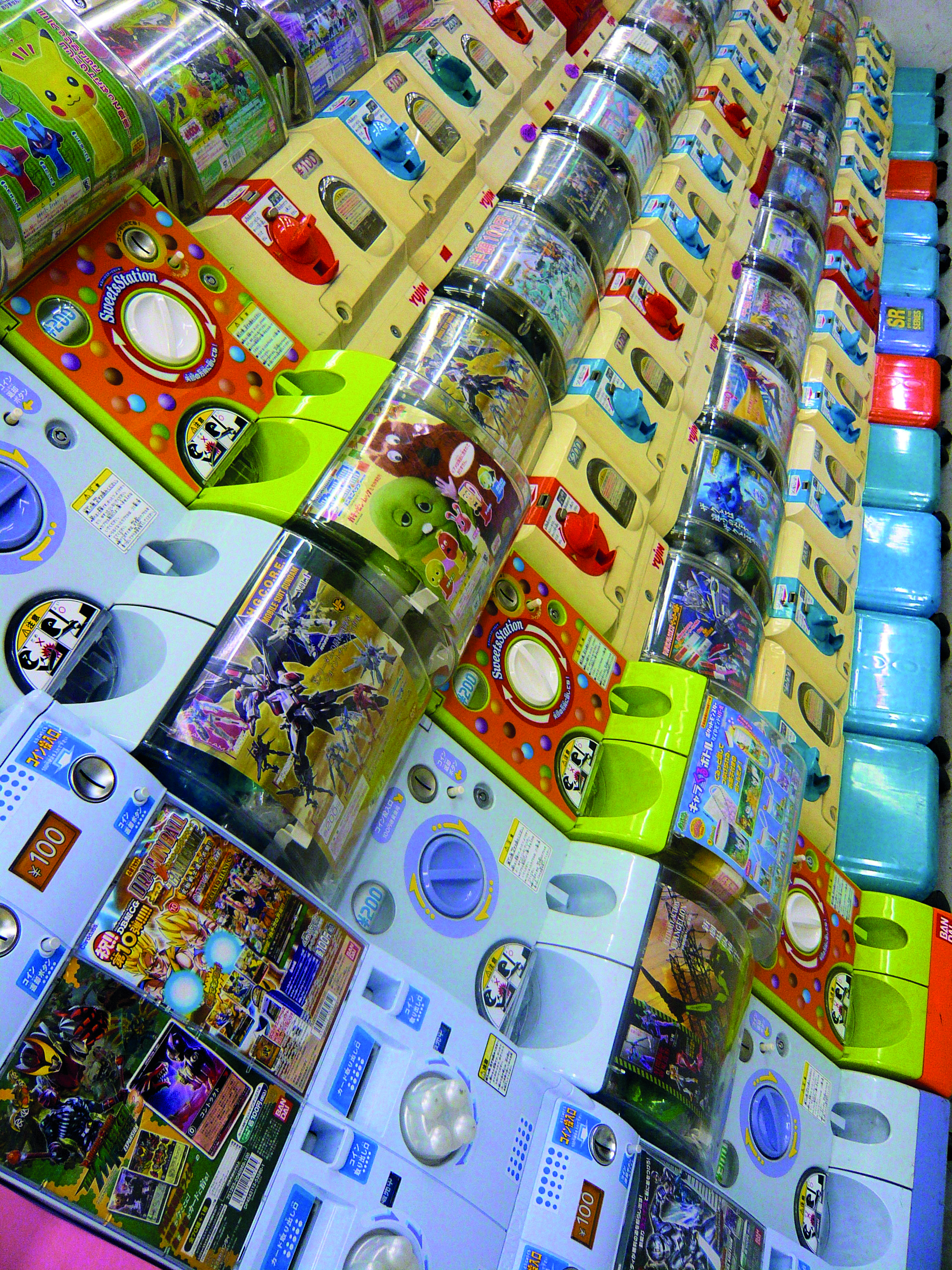
The term “gacha” originates from Japanese capsule-toy vending machines, where players spend money for a chance to win a random prize. A similar mechanic has been seamlessly adapted into gaming, where players pull for in-game characters, weapons, or upgrades – often with incredibly low drop rates for the most desirable rewards. Despite its gambling-like structure, the gacha model has proven wildly successful. Games like Genshin Impact and Love and Deepspace generate billions in revenue, all while staying ostensibly “free-to-play.”
One key reason for the success of this model is the psychological engagement it fosters. The thrill of pulling a rare five-star character or obtaining a limited-time item taps into the human brain’s reward system, encouraging repeated spending. In games like Genshin Impact, where powerful characters and weapons are locked behind gacha banners, the temptation to spend “just one more pull” is ever-present.
Beyond psychological triggers, these games also excel in world-building and presentation. Genshin Impact, for instance, offers a vast open world, high-quality animation, and engaging storylines that rival premium RPGs. Meanwhile, Love and Deepspace – a romance-based gacha game – uses emotional storytelling and immersive experiences to create an even stronger attachment between the player and the game’s characters. It’s this combination of quality content and predatory monetisation that makes gacha games so successful.
The Exploitation Problem
Despite their popularity, gacha games have come under fire for their exploitative practices. One of the biggest issues is the deceptive nature of microtransactions. These games often use complex in-game currencies that obscure the real-world cost of purchases. Players often spend money without fully grasping how much they’ve invested, leading to overspending and, in extreme cases, gambling-like addiction.
Games like Jujutsu Kaisen: Phantom Parade exemplify how F2P games encourage spending through artificially scarce resources. Limited-time banners create a sense of urgency, making players feel as though they must spend at once or risk losing the opportunity forever. The odds of pulling a desirable character are usually abysmally low, further encouraging players to keep spending in hopes of getting lucky.
Additionally, some gacha games suffer from a form of “lazy development,” where the monetisation model takes precedence over gameplay innovation. Rather than prioritising engaging mechanics or diverse content, some developers focus on drip-feeding new gacha banners to support player spending. While Genshin Impact largely avoids this by consistently delivering high-quality content updates, other games, particularly mobile-based titles, often rely on reskinned events and repetitive mechanics.
When It’s Done Too Well: Love and Deepspace
Some games, like Love and Deepspace, go even further in their monetisation strategies by leveraging emotional immersion. Unlike traditional gacha RPGs, Love and Deepspace is a romance simulation game that knows exactly how to appeal to its audience. It crafts a deeply emotional experience, making players feel personally connected to the characters. Through interactive dialogue, voice acting, and stunning 3D visuals, the game builds a sense of intimacy that encourages spending – not out of necessity, but out of emotional attachment.
This level of psychological engagement is, in many ways, more insidious than standard gacha mechanics. While a player of Genshin Impact might feel compelled to spend for a strong character, Love and Deepspace players often spend to deepen their connection with in-game love interests. It taps into human emotions in a way that is as impressive as it is ethically concerning.
The Other Side of the Coin: Why These Games Are So Popular
Despite their flaws, it’s impossible to ignore why these games are as successful as they are. Beyond just monetisation, they offer genuinely engaging experiences that rival traditional paid games. Genshin Impact’s exploration mechanics, Jujutsu Kaisen: Phantom Parade’s stunning animations, and Love and Deepspace’s emotionally charged storytelling all contribute to their success.
Moreover, gacha games thrive on their social elements. Online communities dedicated to discussing strategies, character builds, and upcoming updates help keep player interest. The excitement of a new banner or a highly anticipated event fosters a sense of shared enthusiasm among players, keeping them engaged even when they aren’t actively spending.
Is There a Future Beyond Gacha?
As criticisms of gacha gaming mount, some developers are exploring alternative monetisation methods. Battle passes and paid expansions offer a more transparent approach, but they have yet to completely replace the gacha model. The challenge is finding a balance between profitability and ethical design.
For now, the gacha model stays dominant, with developers constantly refining their tactics to maximise player spending. Whether future regulations or shifts in consumer expectations will change the industry remains to be seen. Until then, players must navigate these games with awareness, understanding that “free-to-play” often comes at a much higher cost than it first appears.
Photo credit: Flickr





Leave a Reply