
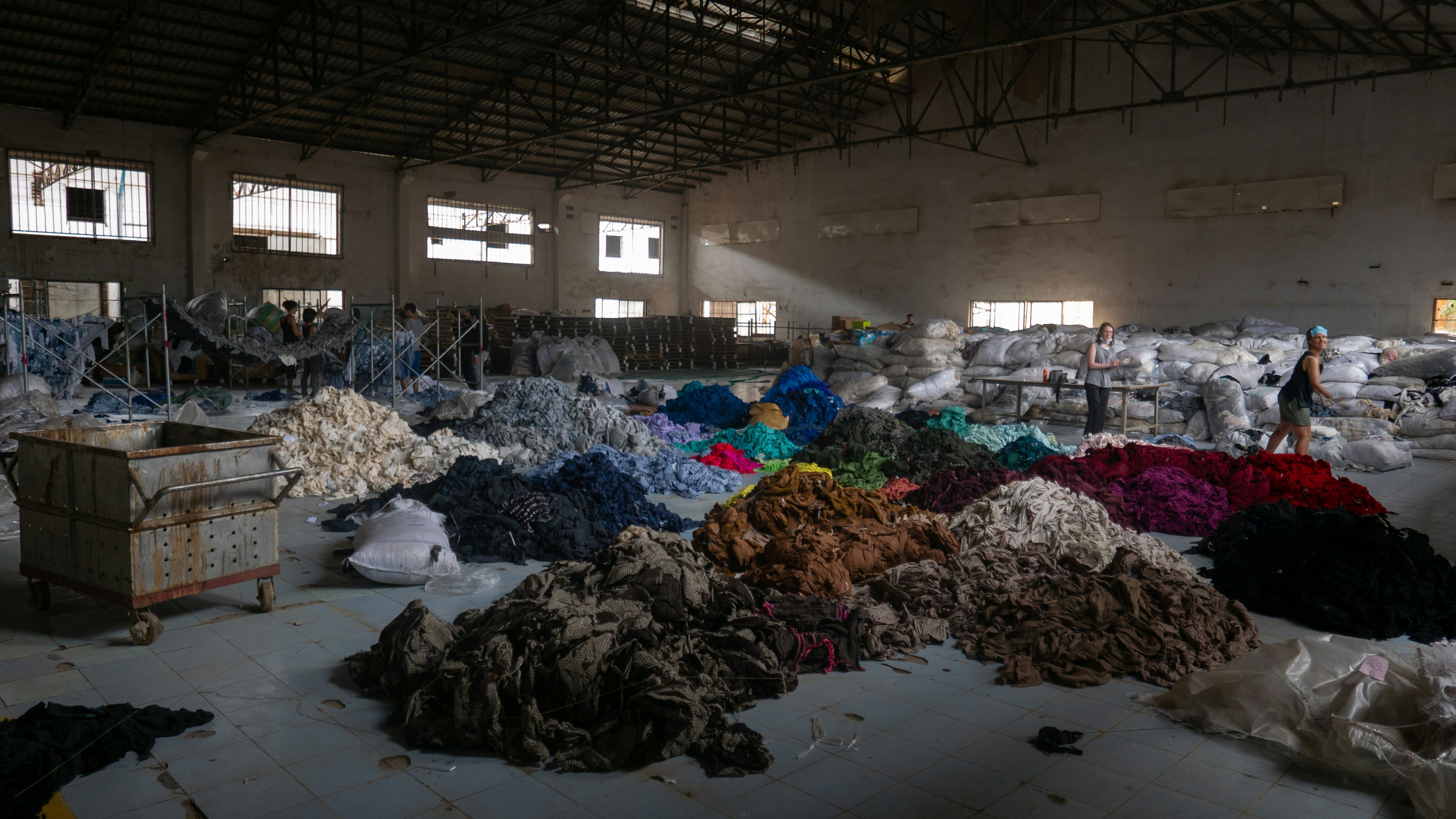
Confession: I sometimes buy fast fashion. I learned about its impact in high school, and how to sew my own clothes, and I follow slow-fashion and under-consumption online. Fast fashion is everywhere, available all the time, quicker and easier to shop than ever before. But what really is fast-fashion?
It’s often mentioned in climate and ethical discourse, and the OED definition is “inexpensive clothing produced rapidly by mass-market retailers,” c. 1975. But to understand how it started, we look further back. Vogue explains that the late-1800’s fashion industry designed and produced two annual collections: Fall/Winter and Spring/Summer, not the rapid trend cycles dominating today.
Textile production changed drastically after the industrial revolution: mass production, mass marketing, mass consumption. Increased production means increased demand, increasing trends – and repeat. By the 1990’s, high-street brands accelerated the cycle to weekly micro-seasons, and today e-commerce giants Shein and Temu use algorithmic analysis to add up to 10,000 new items daily.
Accessibility and affordability of clothing essentials is important, as is individual expression through fashion, but the industry’s sheer scale vastly outstrips necessity into problematic excess, presenting huge sustainability issues across production, consumption, and waste management.
Cheap mass production needs cheap materials and cheap labour. A 2023 report found that 50% of fibre production uses petrochemicals. Oil-based fabrics like polyester shed microplastic fibres, ending up in water systems as remote as the Arctic. Natural fibres like cotton or linen eventually biodegrade, rather than pollute, and garments usually last longer. It’s worth noting, however, that producing natural or recycled fabrics can be resource-heavy, so overproduction issues remain.
Fossil fuels aren’t just used for fabrics: the UN holds the fashion industry responsible for up to 10% of global emissions. According to Yale Climate Connections, Shein is the industry’s biggest polluter. In 2023, they doubled their annual emissions and produced 16.7 million metric tons of CO2.
YCC partly blame Shein’s use of AI for real-time analysis of consumer buying data: by tracking live sales, the brand can get a garment from design to online in just ten days. Resource-hungry AI helps the brand capitalise on micro-trends, along with massive copyright infringement and worker exploitation. Workers clock-in 75-hour weeks in dangerous conditions, often only highlighted in our media after tragedies like the 2013 Rana Plaza collapse in Bangladesh, which killed over 1,000 people and injured thousands more.
It can be easy to forget the realities of fast fashion, with mostly overseas manufacturing and brands ‘greenwashing’ their image. Shein’s website presents optimistic sustainability targets, like using 31% recycled polyester by 2030 (currently 3%), and other brands do too: ‘Primark Cares’ pledge to “strengthen the durability” of their garments by 2030, and H&M offers shoppers vouchers for donating unwanted clothing in store for recycling. But these are just sales tactics dressed up in the language of sustainability, aiming to drive profit and continue the fast-fashion cycle.
A Parliamentary report says we buy more clothing per person than anywhere in Europe: Oxfam found that the average Brit only regularly wears 44% of their wardrobe. The first step towards sustainable fashion must be slowing down our purchasing – new or second hand. While donating unwanted clothing feels like helping, donations outmatch demand, and much is shipped abroad or dumped at sea.
In Ghana, second-hand clothing imports devastate local textile production and pollute waterways, which charity The Or Foundation works to counter. Their project “Stop Waste Colonialism” evidences the damage done to the Global South by Western fashion commerce and highlights the hypocrisy of major brands’ sustainability commitments. The “TagUrIt” campaign tracks brand labels found during beach cleanups and identified 2800 brands 2023-24 – including items from recycling schemes like H&M’s.
There’s a lot more to say about the injustices of fast fashion, but there has to be space for action. Awareness goes a long way; being a conscious consumer helps people, planet, and purse.
Being mindful when browsing and asking ourselves if we really need a new pair of jeans or that trending shirt helps to slow down overconsumption. Clothing rentals are ideal substitutions for wear-it-once occasion-wear. Often when clothes wear out, simple repairs can extend the life of favourite items. I love the #visiblemending trend and BBC’s Sewing Bee always gives me new ideas. Honestly, you can’t go wrong with the classic “Reduce Reuse Recycle” mantra.
When we need to buy something, there are loads of great second-hand options: charity shops, vintage (or vintage charity shops – kudos Sue Ryder!), car-boot sales, or online. Buying new? ‘Vote with your wallet’: supporting circular fashion brands like Unfolded or The R Collective shows demand for sustainability.
The most important thing you can do is keep your head out of the sand. Big corporations get away with exploiting workers and resources when we don’t pay attention but keeping the conversation going pressures businesses and regulators to make changes. With fast fashion, everyone pays the price.
Photo credits: Unsplash





Leave a Reply