
As winter fades, the fruits of months and years of research emerge. This research roundup highlights three groundbreaking projects from the past months to usher in a year of innovation, creativity, and discovery.
Reshaping international telecommunications
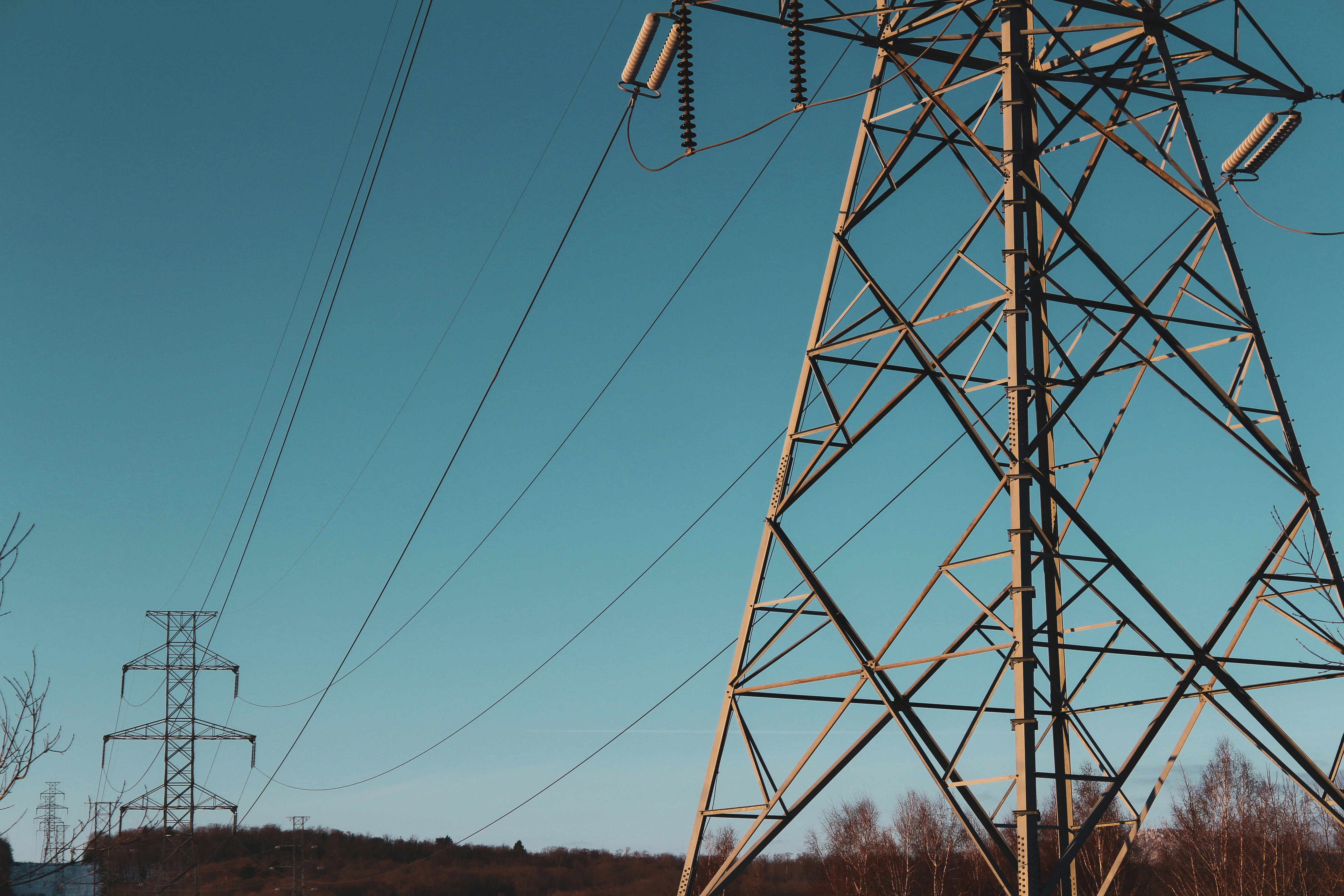
Led by Prof. Gerard Parr of UEA and partnered with leading U.K and Indian researchers, the landmark UK-India Future Networks Initiative (UKI-FNI) will be seeking to advance telecommunication infrastructure to drive AI networks, data storage, and quantum computing. These technologies require powerful, fast, and reliable networks, which are traditionally built with components from a small group of equipment manufacturers, making networks costly.
Now, an approach called OpenRAN allows network functions to run as software on general-purpose hardware, which improves security, promotes competition, and decreases costs by reducing reliance on large suppliers. However, it comes with many challenges that UKI-FNI seeks to address, such as software and hardware integration. UKI-FNI will also create large test environments to test new OpenRAN systems, components, and management software. In addition to enhancing collaboration between U.K and India in the digital telecoms sector, UKI-FNI will help develop an understanding of regulatory issues to assist with future policy making to promote equitable and safe access to digital technologies.
Forecasting climate change
UEA’s Forecasting Tipping points in Marine Biogeochemistry and Ecosystem Responses (TiMBER) project was recently awarded a £4.25m grant as part of the Forecasting Tipping Points programme. The programme aims to identify thresholds that, when crossed, lead to severe, irreversible, and self-perpetuating changes in the climate system that can irrevocably damage ecosystems, communities, and global security.
The TiMBER project is a collaboration between UK governmental and academic institutions that will focus on North Atlantic marine ecosystems, especially on identifying “sentinel” marine species that are sensitive to early climate changes. Other aims of the project include developing an Ocean Systems Model to assess the risk of tipping points and determining how tipping points can affect the ocean’s ability to absorb carbon emissions. Combined with research from 27 international teams, TiMBER can help create an early warning system to support climate-resilient industries and guide climate action, mitigation, and adaptation.
Promoting cancer recovery
Researchers from Norwich Medical School, U.K, and European institutions have identified a medication that can reduce heart failure in cancer patients.
Many chemotherapeutic drugs damage healthy cells while eliminating cancers. In particular, anthracyclines can cause changes to the heart on a cellular level, impairing its ability to pump blood around the body. Analysing data from over 88,000 patients, the research team found that SGLT2 inhibitors, originally prescribed to help lower blood sugar, can reduce heart failure hospitalisations by 51% in cancer patients. This protective effect was particularly pronounced in breast cancer patients undergoing anthracycline therapy. Furthermore, SGLT2 inhibitors also lower the risk of developing heart failure and particular irregular heart rhythms. These findings suggest that SGLT2 inhibitors can help optimise cancer treatment to enable patients to make a full recovery.
“Impact of sodium-glucose cotransporter-2 inhibitor on heart failure outcomes in cancer patients and survivors: a systematic review and meta-analysis” was published in the European Journal of Preventative Cardiology on March 6 2025.
Photo Credits: Unsplash




Leave a Reply