
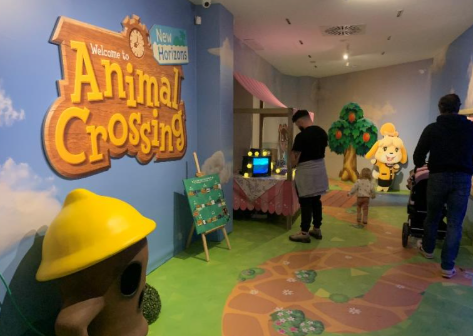
When Animal Crossing: New Horizons launched on March 20, 2020, it wasn’t just a new instalment in a beloved franchise – it became an unexpected lifeline for millions. Arriving mere days after global lockdowns began in response to the Covid-19 pandemic, New Horizons provided a gentle, escapist fantasy at a time when the real world felt overwhelming and uncertain. The coincidence of timing was so precise that it felt orchestrated; a slow-paced island getaway game, built around connection and routine, dropped into the laps of a homebound global population.
This perfect timing propelled New Horizons into pop culture stardom. It shattered sales records, dominated social media feeds, and became a digital refuge where people celebrated birthdays, held weddings, and recreated daily life in pastel comfort. But the emotional resonance and shared experience of those early months may have cast a forgiving haze over the game’s deeper mechanics, particularly among its long-term fans.
Veterans of Animal Crossing noted several regressions: the removal of beloved characters, limited dialogue variety, and a new crafting system that became repetitive and cumbersome over time. The game lacked the rich village life and quirky spontaneity of previous entries, instead opting for a more sandbox-focused design that felt hollow beneath its serene surface. Features like Brewster’s café, gyroids, and more nuanced villager interactions were absent at launch and only some added much later after updates. Yet few complaints rose above the chorus of praise, presumably dulled by the game’s emotional timing and the broader context of a world in lockdown.
By contrast, Nintendo’s next big hardware move – the anticipated Switch 2 – may be facing the inverse of New Horizons’ fortune: unfortunate timing before it even arrives. With mounting global trade tensions and looming tariffs on Chinese electronics, the console’s release in June 2025 is already mired in uncertainty. Economic headwinds could mean increased prices, limited stock, or delayed shipments – conditions that stifle excitement rather than amplify it.
While New Horizons rode a wave of uncertain global circumstance to unprecedented success, the Switch 2 must navigate a stormy forecast. Perhaps Animal Crossing succeeded more because of when it launched than what it offered; Nintendo may struggle despite its potential, thanks to factors outside their control. Timing, it seems, can be everything and lightning doesn’t always strike twice.
Photo Credit: Wikimedia Commons





Leave a Reply