
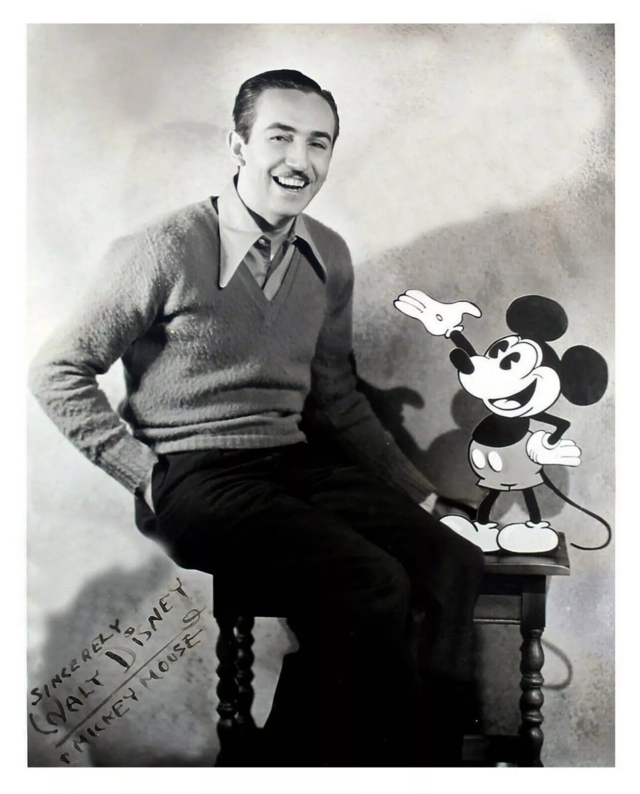
In the modern age of Pilates and meditation apps, I have found one of the best tools for maintaining good mental health is quietly stored in the form of my favourite childhood films. There is something so comforting about the opening notes of the Shrek (2001) soundtrack, something so beautiful in the horrendous animation of Barbie and the Diamond Castle (2008). It’s been a while since I have enjoyed a new, adult film, so I keep reverting to old childhood favourites to escape deadline season stress and post-uni worries. Recently, I have been wondering whether there is a deeper reason why rewatching my childhood favourites is so beneficial for my mental health. Does it go beyond escapism…?
One of my standout childhood favourites is Disney’s The Hunchback of Notre Dame (1996). Its first few minutes are jam-packed with murder, attempted infanticide, and some very dramatic singing – none of which you could really call comforting, but six-year-old me absolutely loved it! This film took children seriously; it didn’t sugarcoat its themes of fear and injustice, and I believe this narrative honesty is what captivated the younger me. Hunchback taught me that it was ok to stand up for myself and others, helping me to build up my emotional resilience as a child. As I got a bit older (around nine or ten), I fell in love with stop motion animation films such as Tim Burton’s Corpse Bride (2005) and Henry Selick’s Coraline (2009). Both films beautifully explore the themes of mortality and identity through gothic aesthetics and rich storylines, becoming psychological landscapes I didn’t yet have the language to describe. Now, when I rewatch these films, I don’t only find comfort in their nostalgia, but in recognising how they quietly modelled complex feelings I couldn’t name as a child.
Now, at almost twenty, I have come to realise how vital these early interactions with films were. They gave me the subconscious tools to allow me to sit with discomfort, and for identifying the differences between insecurity and melancholy. In my moments of stress or low mood, I now find myself rewatching these films to reconnect with the emotional vocabulary of my childhood self. To me, they serve as reminders that comfort doesn’t always stem from lightness and brightness, but from feeling understood and listened to. In this way, reliving the emotional weight of my favourite childhood films (despite these being bizarrely dark for children) has become a reliable and integral part of how I take care of my mental health as an adult.
Photo Credit: Wikimedia Commons



Leave a Reply