

From a new disability convener to mandatory seminar recordings, the incoming Undergraduate Education Officer, Turaiya Lemard, explains why equitable teaching matters more than ever.

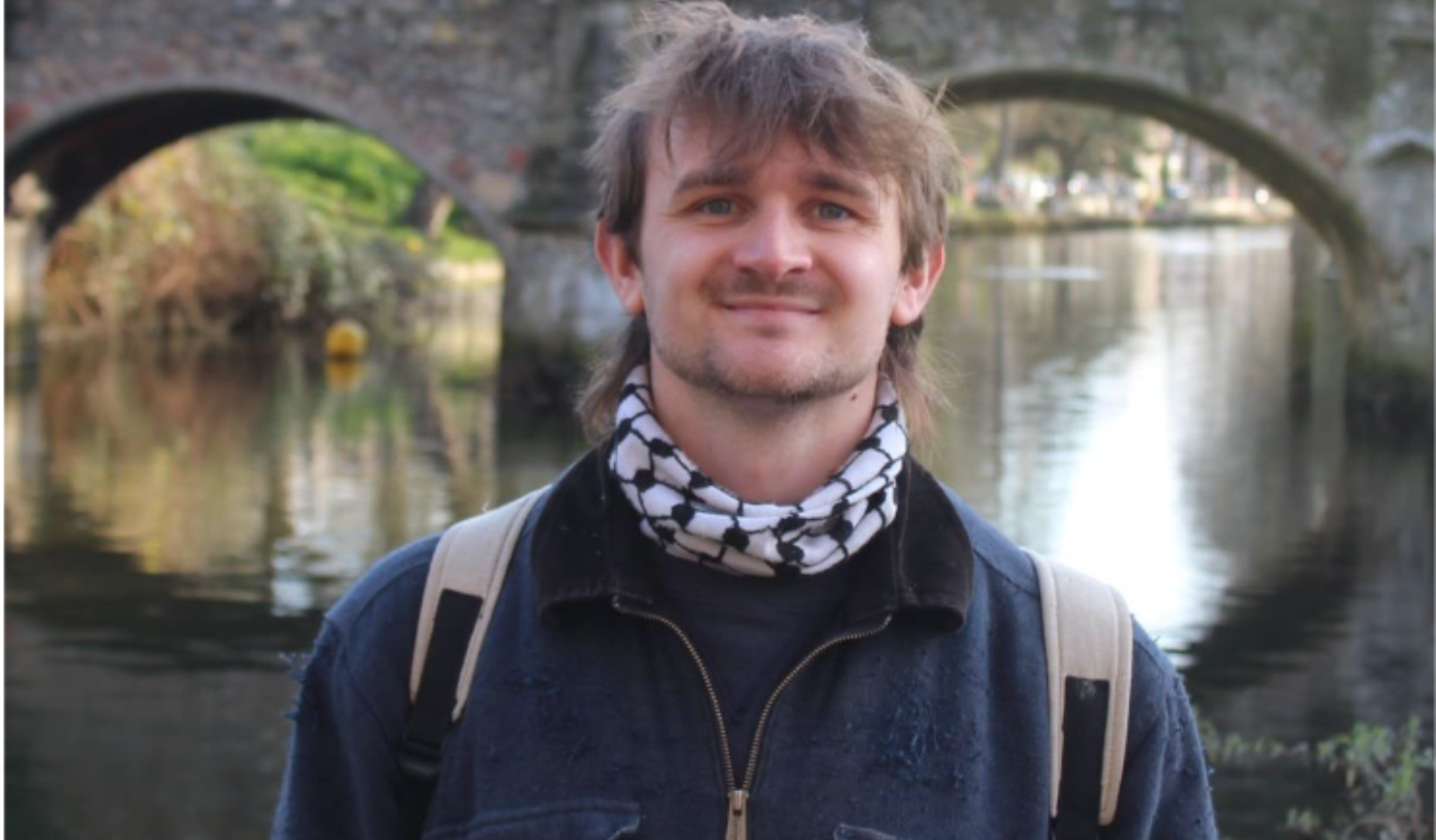
UEA SU’s Undergraduate Education Officer-Elect, Turaiya Lemard. Credit: Turaiya Lemard.
At 21, Turaiya radiates the brisk purpose of a final year with essays still to write and a manifesto already pinned to her desk.
Top of the to-do list is disability representation. “We have conveners for every faculty and school, yet none dedicated to disabled students,” she passionately explains. A single, elected disability convener would gather live feedback and push it to university committees. “If we’re serious about inclusive learning, that voice has to be in the room every time decisions are made.”
Access, in Turaiya’s view, is also about technology. While UEA already requires lecture capture, many staff, she claims, schedule them as seminars to get around the requirement, precisely because the rule does not cover them. “It leaves students with disabilities, caring duties or part-time jobs scrambling for notes they never saw delivered,” she says. Her fix is simple: make seminar recordings “essential and mandatory” across the board. “Learning shouldn’t hinge on how fast you can type or whether you can get the last bus.”
Yet perhaps her most radical pledge takes aim at the quiet corner of higher education bureaucracy: academic advising. “I know third-years who have never met their advisor,” she says, shaking her head. Some undergraduates are paired with research-heavy post-graduate tutors whom they rarely see. “We need fair matching and accountability. Advisors must reach out – emails, meetings, whatever – to every student at least once a term.” A dashboard tracking contact rates, she suggests, would go some way to addressing this.
Why volunteer for a role many dub “the complaints inbox of the union”? Turaiya – from Luton and of Jamaican-Bangladeshi heritage – is due to graduate this summer with an undergraduate degree in International Development with Economics. “It’s a tough time for staff and students: strikes, budget cuts, courses under review,” she says.
Support comes from seasoned colleagues. Re-elected sabbs Bhaskar, Chris and Olivia have, she says, “been in my shoes and survived”. Their presence tempers rookie nerves and fuels ambition: “Working with people who get the system is exciting.”
Asked what success looks like twelve months from now, she thinks for a beat. “When a disabled student says, ‘I finally caught every seminar,’ or a second-year tells me their advisor actually consistently replied – then I’ll know it worked.”
Turaiya officially takes up her role at the start of July. You can follow her work and contact her by following the official UEA SU officer accounts on Instagram or by emailing T.Lemard@uea.ac.uk.
Feature credit: UEA.




Leave a Reply