
When Adolescence swept the Emmys last month, critics hailed it as a raw, unfiltered glimpse into working-class teenage life — the kind British TV too often overlooks. But for me, it didn’t feel new. What unfolded onscreen felt less like a revelation than recognition — the product of eroded media literacy and online radicalisation, shaped by over a decade of austerity.
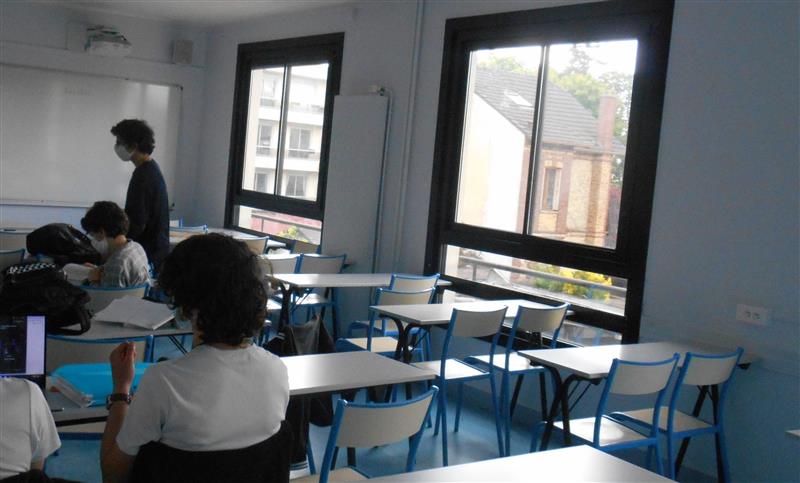
I went to a state school where behavioural chaos formed the fabric of everyday life — the kind that could exhaust teachers but felt ordinary to us. Students joked, pushed boundaries, and tested limits, but it was all part of growing up. Even amid that energy, the teachers I knew were far from lazy; they were tired, holding classrooms together after years of cuts and impossible expectations. That’s why, when Adolescence shows teachers simply putting on a video instead of teaching, it feels a little simplistic — a TV shorthand that flattens the reality of systemic exhaustion.
Even in the classroom, Adolescence’s concerns surrounding growing up in a digital age were palpable. Conversations about Andrew Tate, the manosphere, and viral trends bubbled up alongside everyday banter, shaping how students interacted and tested boundaries. Adolescence captures how online influence seeps into school life, setting the stage for understanding its broader consequences.
The knee-jerk reaction has been to ban phones, tighten rules, and blame “bad kids.” But it’s not just about social media addiction; it’s about growing up in an algorithmic echo chamber that rewards outrage and hate speech — something made easier when New Labour turned Media Studies, the subject built to teach media literacy, into a national punchline. Adolescence captures why these online spaces hold such appeal for white working-class boys. The far-right de-intellectualises complex social frustrations, turning feelings of inadequacy into anger and offering easy enemies to blame. It erodes the sense of class consciousness that once united these communities and replaces it with the illusion of control and dominance.
In Adolescence, this manifests as violence against women. In the third episode, the protagonist Jamie (played by Owen Cooper) is interrogated by a psychologist (Erin Doherty), and the effects of neglect towards young people are laid bare. Jamie’s frustration finds validation in the manosphere – online communities that reframe misogyny as empowerment. The result of political negligence and social disengagement is clear: toxic masculinity fills the vacuum left by institutions that have stopped listening.
There’s a quiet brilliance in how Adolescence refuses to offer easy answers. There’s no single villain, no redemptive ending. Instead, it lingers in the discomfort — the exhausted teachers, the defiant students, and the parents suddenly forced to confront an online world they never understood. Jamie’s crime leaves his family fractured, caught between guilt, horror and grief. Through Owen’s father (Stephen Graham), the series captures the crushing weight placed on the patriarch of a working-class family, where blame is turned inward when the real failure is systemic. It’s not a perfect mirror, but it’s the clearest reflection we’ve had yet of how neglect and online radicalisation can devastate working-class communities.
Maybe Adolescence isn’t revolutionary because it says something new, but because it finally treats what’s familiar – white working-class adolescence – as something worth telling without pity or polish. For years, film and TV have framed stories of British teens through extremes: the pastel optimism of Heartstopper or the gritty realism of This is England. Adolescence rejects both. In refusing to cut away from discomfort, it captures the vivid anxieties of the present and exposes how the industry still treats the white working class as either invisible or irredeemable. Its creators understand the real digital spaces young people occupy — and Adolescence doesn’t reinvent the story; it just tells the one we’ve been too comfortable to hear.




Leave a Reply