Each December, World Human Rights Day encourages us to think about the freedoms many of us take for granted, one of those being the freedom to express ourselves.
Our right to freedom of expression is under significant pressure when a book is removed from classrooms and libraries.
When certain books are banned, it’s not just pages being taken off shelves, it’s people’s stories, identities and lived experiences being silenced.
Censorship isn’t just a concept of the past, or only found in tightly controlled countries, it affects us in the UK as well, and being ignorant of that fact could cause many to lose their voices before we have the chance to act.
Books written by and about minority groups challenge the idea that there’s only one way to see the world. Stories about racism, sexuality, gender identity, disability, migration or culture often make people uncomfortable because they confront inequality head on.
That discomfort is one reason these books are targeted so often.
This year, Angie Thomas’ The Hate U Give was taken off a school’s year 10 curriculum in Dorset for promoting “white guilt” and explicit language.
Racism in schools is hitting an all-time high according to investigations by several news sources.
Taking books off the curriculum that challenge racism doesn’t just take away freedom of expression, but also people’s lived experiences.
Books such as Gender Queer and Juno Dawson’s This Book Is Gay have been removed from some school libraries completely following complaints. For many students, these hit close to home.
Having books that reflect your own situation is of the utmost importance as it allows readers to feel seen and heard. The French magazine Charlie Hebdo, known for its provocative cartoons that criticise politics, culture and religion, was banned from the Nottingham Trent University Library because of its potential to offend.
Universities are meant to be a place where ideas are explored, questioned and debated freely. When books are taken away, it raises serious questions about academic freedom and who gets to decide which voices are acceptable.
For the communities these books represent, censorship can be deeply damaging. Seeing yourself reflected in a book, especially when you’re young, can be incredibly powerful.
It can help you feel understood, validated, and less alone.
When those stories are banned, it sends the opposite message: that your identity is a problem, or that your experiences don’t belong in public spaces.
Censorship affects everyone, not just minority groups or excluded communities. Reading widely helps us understand people whose lives are different from our own. Books like The History of Mary Prince by Mary Prince or The well of Loneliness by Radclyffe Hall open doors to perspectives many readers might have never otherwise encountered.
Without access to these stories, empathy shrinks and stereotypes grow.
Highlighting everyone’s voices isn’t about forcing people to agree or asserting a certain agenda, it’s about making sure everyone gets to be heard.
As World Human Rights Day reminds us, freedom of expression only matters if it applies to all of us.
Defending the right to read diverse stories is one small, but powerful, way to stand up for inclusivity, understanding and the idea that every voice deserves a place in society.
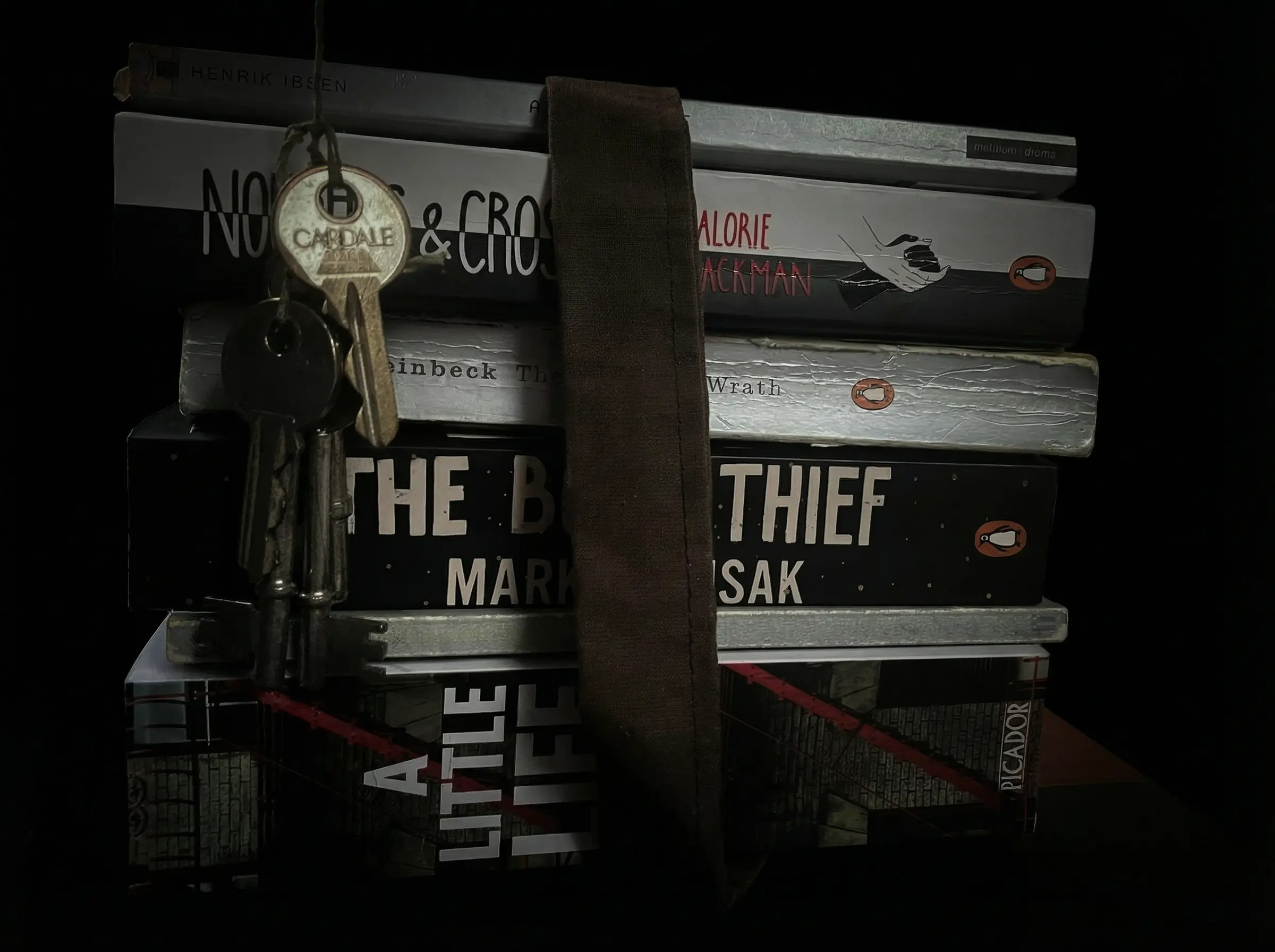
Image Credit: Ella Stone


Leave a Reply