
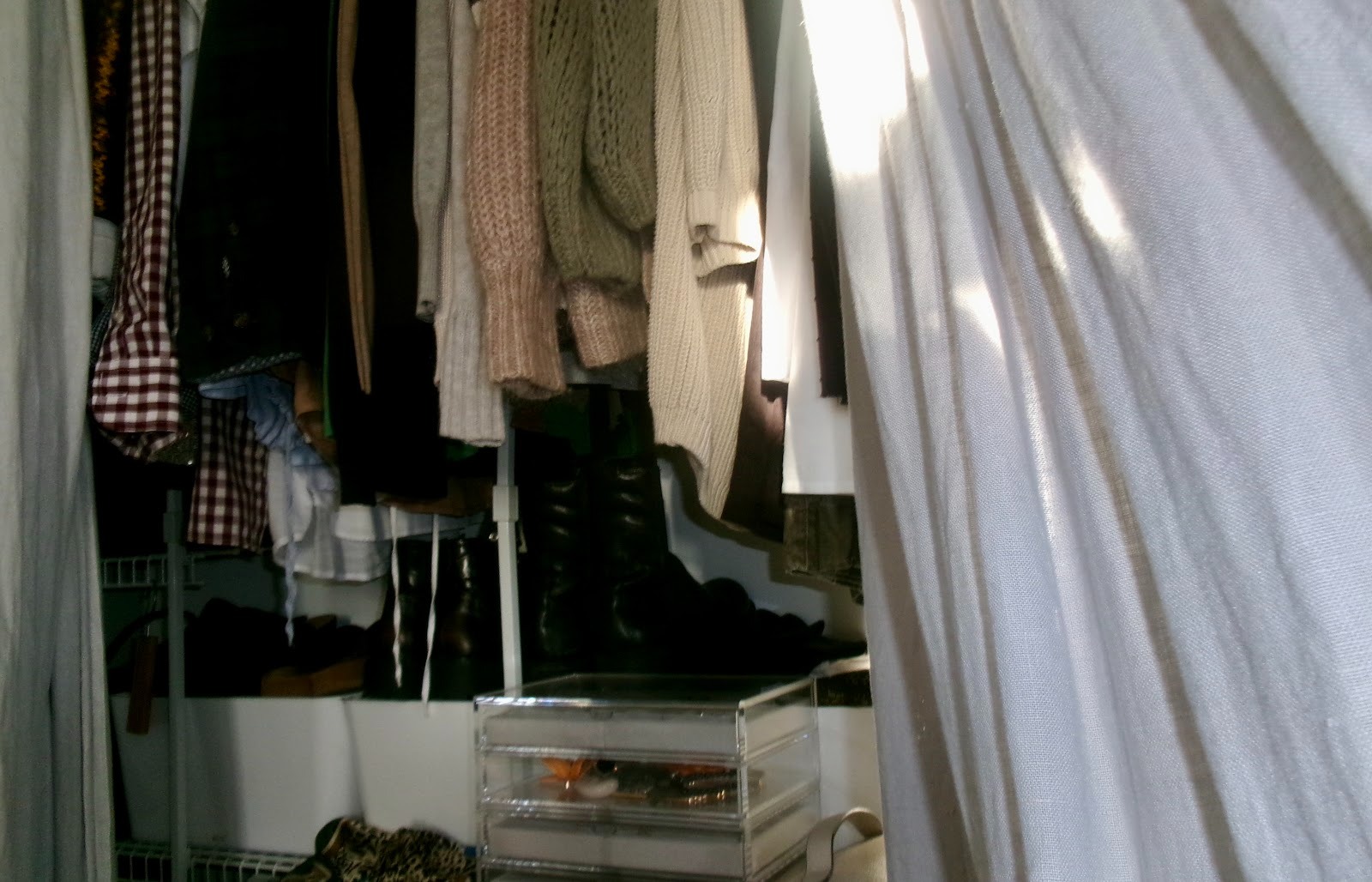
At age fifteen my Granny and I discussed our shared love of mini skirts, her Mary Quant-esque mini skirted youth in the 1960s and my teens-to-twenties anarchy era. I thought this was mildly funny at the time but I see it now as proof of a joint rebellion.
In times of instability we crave familiarity, old patterns come back. When the economy crashes and political chaos bring longer hems into the mainstream, not only is it evidence of a move into conservative views, it is proof the masses have moved from expression to survival. In times of stress people go for safety, for comfort.
That being said, reversion to older fashion styles is not just proof of a concerning climate but also a form of admiration for the history that evolves around the art that is fashion. My most well-liked piece of clothing I have is my great grandmother’s hand embroidered skirt from the 1950s. I have received countless compliments on it whilst out and about. It always makes me laugh a little, as I am sure Grandma Miki did not intend for it to be worn to the student bar on a Monday with a crop top, but is that not the whole point? Fashion can be changed, it can be rewritten. We take the parts that we love and remold them.
As a big environmentalist I fully approve of making old clothes work for us. Reworking fashion and bringing something old into the modern age. Interestingly, the fashion history does not even need to be that old to be rescripted: the 90s revival is huge in current clothing with plenty of people still opting for baggy jeans and strappy stilettos. In an age where we have such easy access to our past it is no wonder that stylists and consumers alike are diving back into the days of the past for something that ironically feels ‘new’.
This can also be credited to the huge increase in consumerism awareness in the last fifteen years; most people are aware about the damage of fast fashion. Second hand shopping has increased significantly offering a whole new catalogue straight into the past. Therefore items that last, that are second hand, that can survive wars and three generations, seem the perfect choice. Maybe people are choosing to bring back old trends not just for fun, but as a conscious choice to be more environmentally ethical.
Image credit: Tabitha Woolcott




Leave a Reply