

Although both art and fashion rely on creativity and self-expression, society tends to value each differently, placing them on different pedestals.
Art is celebrated as meaningful and serious, while fashion is simply dismissed as frivolous and not valued.
This divide comes from a societies belief that art exists to create “beauty” and have all sorts of meaning, whereas fashion is to be practical. Because clothing is worn, used and replaced, it is rarely granted the same respect as a painting on a wall.
This belief didn’t appear out of nowhere. Historically, art has been preserved by galleries, universities, and wealthy patrons, positioning it as timeless and significant to society.
Galleries are rooms of silence, allowing people to wander and admire the work hung on the walls.
They tell us why the pieces matter and why they are shown. These artworks are demanding attention, without even asking. Which allows everyone to interpret each piece differently.
Fashion, on the other hand, lives in wardrobes, shops, and on bodies that move through the world.
It’s quite close to experiencing daily life, so it doesn’t feel as though it’s serious. Fashion is embedded in everyday life and feels too accessible, especially as social media spreads fashion trends.
Fashion has a close relationship with capitalism. Because clothing is bought, sold and marketed aggressively, it is easy to dismiss it as driven by profit rather than passion. Although art participates in capitalism too, it is seen as entirely different to fashion.
It’s push for certain trends, and creating too many lookalike items make it shallow and only sales driven. The clothes are screaming for attention, unlike art. This demand also makes many dislike how rapidly trends change throughout the year. They are incapable to keep up or concerned about the mass consumption it encourages.
Art is expected to last forever, while fashion is expected to move on. The speed of fashion trends, however, can be perceived as serious as it responds directly to the economy, social shifts and identity.
It paints the way of human life in a way that art cannot.
Gender plays an important role in why fashion is viewed as frivolous. Being often associated with women, youth and identity, all things society are quick to judge.
Interests that are viewed as feminine are frequently labelled as shallow and not serious, whereas male dominated interests are framed as serious and intellectual. Art for many years was treated with respect due to many men taking part in it, now it’s respected for its history and importance.
Fashion is brushed off as not valuable because women take interest in it, even though fashion shapes how people are perceived and how they express resistance or belonging.
It has been significant throughout history, and used to communicate messages silently. The refusal to acknowledge this divide it’s not accidental, it reflects whose voices society prioritises.
Art and fashion are divided by perception. Society values what feels permanent and significant, and distrusts what is considered personal and regularly changing. But, fashion is a silent power that is not appreciated as much and judged by many.
A blind eye is turned on the stories about class, gender and personal experiences.
Taking fashion seriously does not diminish art; it expands our knowledge and allows more stories to be seen.
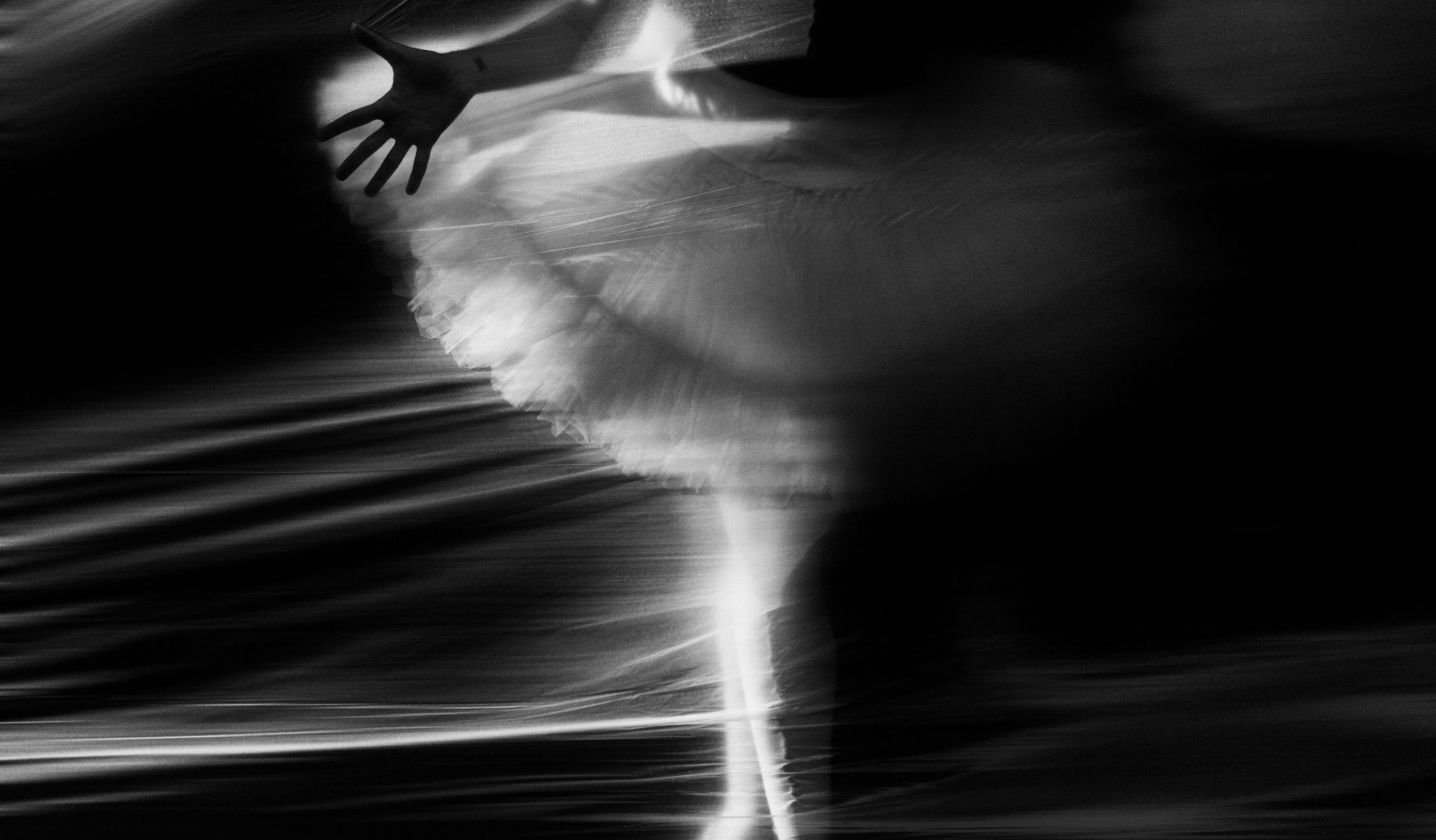
Image credit: Olivia Michalowska


Leave a Reply