
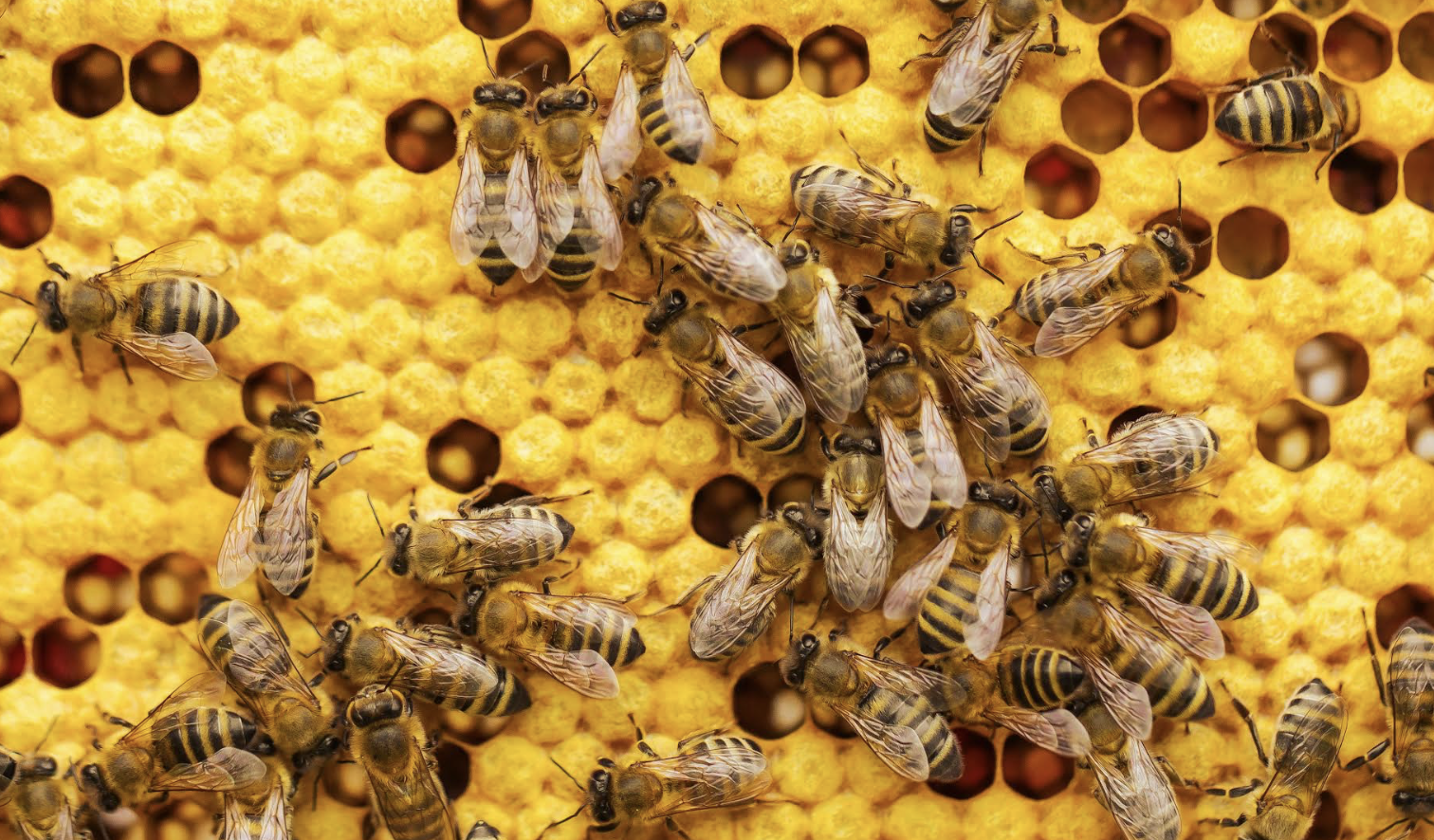
I imagine a lot of you have walked around campus in Spring and Summer and enjoyed the beautiful wildlife and floral scenes.
Perhaps you enjoy honey in your, tea, yogurt or smoothies, but have you ever thought about the amount of hard-working bees it takes to have these pleasantries?
Also referred to as Apiculture, bee keeping and breeding involves the nurturing of honey bees to collect honey as well as other hive produce (Beeswax, Propolis, Pollen and Royal Jelly), for the purpose of manufacturing consumer products and aiding in the pollination of crops.
The importance of bees is made obvious by the fact that according to the U.S. Departments of Agriculture, about 35% of the World’s food production is dependent on plants pollinated by animals – most of that work being up to the honey bees. So, it seems reasonable for there to be infrastructure in place to ensure we have enough of these hard working buzzers.
The benefits of this commercial breeding approach includes: crop and plant
pollination, health of our Ecosystems, and the ability to be able to breed for the purpose of resilience – meaning some programs can allow for stronger, diesease resistant colonies, even going as far to help mitigate the effects climate change has on bees.
However, as consumers we often find ourselves focused on making sure the
product we desire is in our local shops by any means. So, despite commercial
breeding ensuring our demands are met, it is important to consider the negative impacts commercial bee breeding can have. Such as the declined reproductive success of wild bees.
Although this may not seem like a large problem – afterall, wild bees are not inclined to breed out of romance and love; instead breeding out of instinct and biological neccessity – this does not take away from the concept that there is a growing dependence on unnatural or commercial means for their survival.
The increased number of bees due to commercial breeding can also lead to
overcrowding, which results in the transmission of diseases and parasites,
especially for the wild bees that haven’t been especially bred to withstand such diseases. This overcrowding can also mean the native ecosystems that the wild bees call their home, become disrupted by the overcrowding of commercially bred honey bees.
When it comes to getting their little legs on pretty flowers, these fuzzy workers are highly competitive. Yet, as it seems currently, native bumble bees are endangered due to competitive displacement, as a result of over-achieving, commercially reared subspecies.
Regardless of whether you’re team ‘Wild’ or team ‘Commerce’, next time you’re admiring wildlife on a campus walk, or enjoying honey orientated produce, give yourself a friendly reminder of how many little creatures went to large lengths to provide it for you.
Image Credit: Unsplash





Leave a Reply