
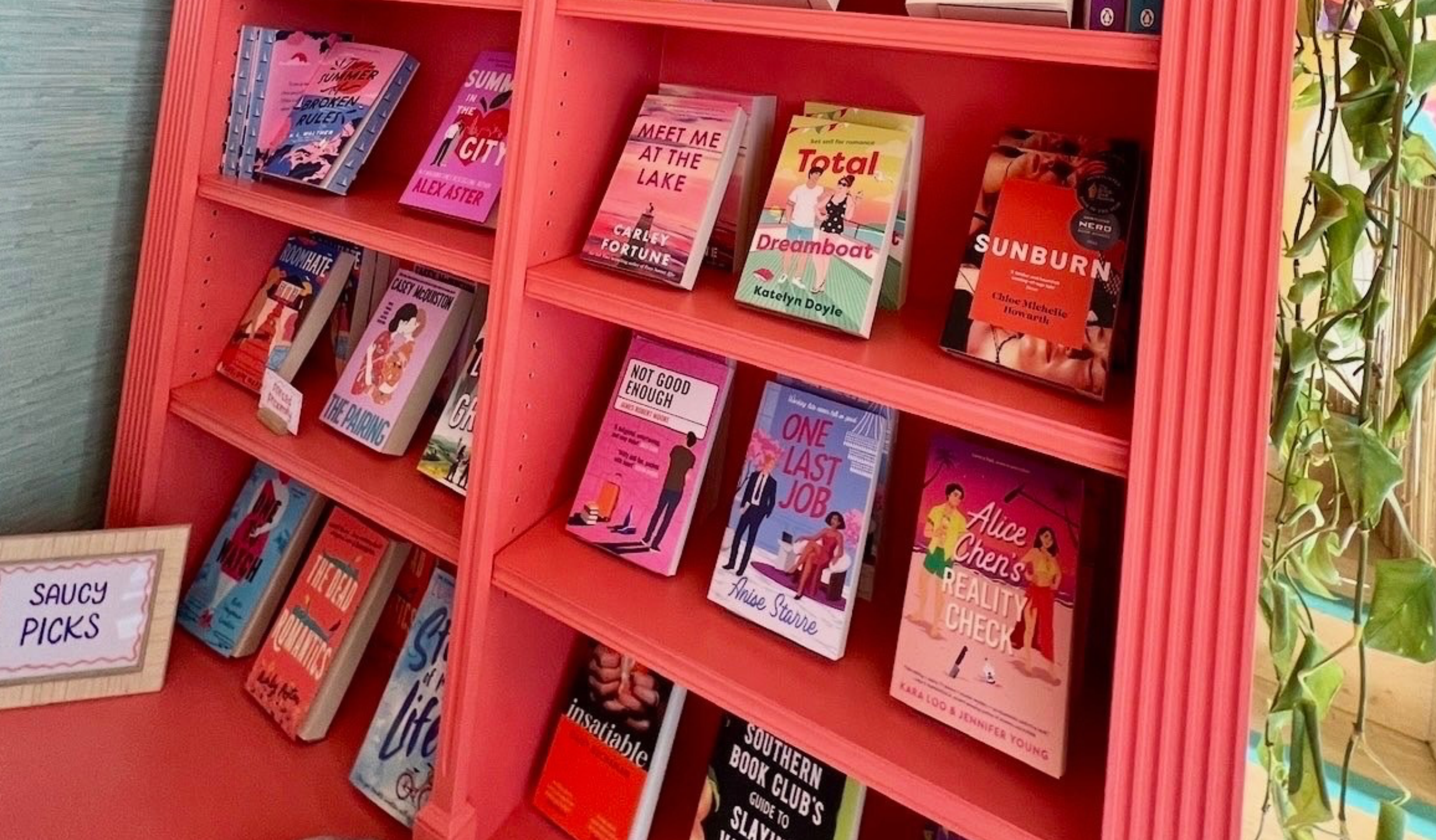
No genre is as loved and loathed as romance fiction.
Romance has been one of the highest-grossing fiction genres for decades, so why is it constantly demoted to ‘easy’ chick lit?
This genre has faced more dismissal than any other; this is intrinsically linked to the patriarchal preservation of misogynistic criticism and the upholding of an intellectual hierarchy within society.
Classics like Pride and Prejudice and Sense and Sensibility are widely regarded as some of literature’s greatest achievements, read by many and frequently adapted for new audiences. They are on many schools’ reading lists and are repeatedly praised by academics. All while, at their core, being stories about women’s love lives.
Books such as Bridget Jones’ Diary and the Bridgerton series, however, are often seen as simplistic, easy-read novels that only offer sappy words and delusion. Even though the main plots of all of these books are, in fact, remarkably similar.
It isn’t just the book market that is saturated with romance either; it is the entire entertainment industry. Films, TV shows and social media content are all aware of romance’s pull. The genre taps into a fundamental human drive for connection while also offering an escape from our world’s ever-worsening reality. So why does reading for joy seem to irk so many people?
It is commonplace for there to be a romance subplot, kissing and/or sex scenes in many films and shows; however, when this is written down, it’s suddenly seen as smut that has no real depth.
Many women are ashamed to read romance books in public or describe it as their ‘guilty pleasure’. This shame and guilt are founded in the centuries-long oppression of women’s autonomy and sexuality. By labelling these types of books as ‘trashy’, it renders women’s sexual fantasies as embarrassing; it’s a type of cultural policing that keeps their desires stigmatised.
The romance genre is liberating; it is often kept away from the male gaze and centres conversations about female pleasure in a world of pornography that continually objectifies women.
For decades, things that women have enjoyed have been labelled as frivolous. The latest BookTok phenomenon has enabled romance readers to find a community where shame and guilt aren’t in the conversation. The genre’s immense success reflects the growth in discussions around sexuality and feminism in general. The industry continues to be powered by female writers who don’t conform to traditional gender norms and transcend the ordinary.
Defending romance as a genre isn’t about preaching that every love story belongs in the literature hall of fame; it is more about asking why women have to justify their enjoyment of it.
So pick up the book and leave the shame behind. Stop feeling guilty for loving love stories!
Image credit: Megan Kempster


Leave a Reply