
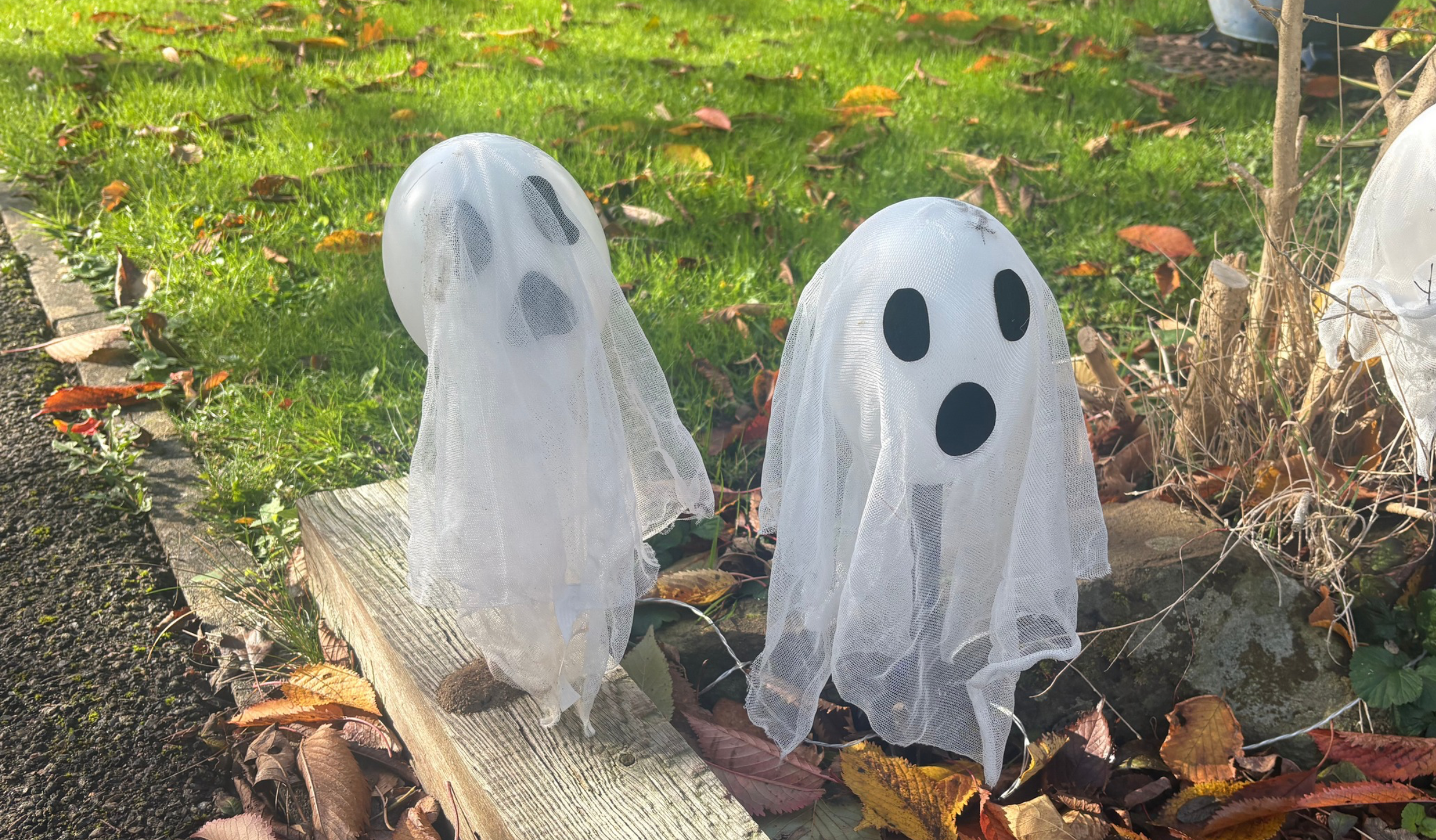
Halloween has always been my favourite season. The autumnal dusting of leaves, the sudden appearance of cute but ghoulish home décor, the sense of whimsy it brings with it.
There is something about it that feels like the ordinary world has loosened its grip. It carries an air of unguarded fun, perhaps the one holistic cultural moment left. Unless, of course, we count the return of The Traitors as a national holiday.
Halloween is supposed to be about becoming unrecognisable. Yet for someone who prefers introverted settings, it can also bring the rather spooky expectation to socialise.
It is strange that a holiday so rooted in disguise has become so concerned with being seen. Social media has given us an increasingly fixed image of what a good Halloween looks like: the inescapable monotony of “group costume inspo”, followed by the obligatory digi cam photos to prove you were there.
You are supposed to be somewhere, with someone, dressed as something, having fun.
Historically, however, the costume was much more up my street. As the veil between the living and dead was thought to thin in Halloween’s Celtic origins, disguises were worn to confuse or deter the supernatural. Costumes were not a declaration of identity, but a way of obscuring it.
As folklorist Florence Marian McNeill described it, there was “the whole unhallowed clanjamfrey of the netherworld” — and I have decided clanjamfrey is perhaps the best word in the English language.
Costumes were donned to scare. Now, many dress to attract.
For university students, Halloween exists somewhere in the liminal space between the carefree traipsing of the streets trick-or-treating as a child and the bustling world of clubbing and “going out” as an adult. Part innocence, part in its shedding.
Perhaps this is why I feel slightly ghostly myself. I have spent nights drifting around strangers’ conversations while visiting friends at different universities, present but somehow not quite there.
Many a time, I have reached for the cool, crisp draw of the outside. Perhaps this is why I enjoy fright nights more. At Norwich’s own PrimEvil, for example, there is comfort in being immersed in the spirit of the season without having to perform a particular version of yourself. You can scream, disappear into the darkness, become anonymous amongst strangers.
There is no pressure to look a certain way or document every moment, only the freedom to experience it as it comes. For once, the night can belong to you, rather than the audience watching from behind their screens.
Perhaps that is closer to Halloween’s origins than we realise. The old costume was a way of becoming unknowable to the dead and living alike.
Image credit: Charlotte Ward


Leave a Reply