
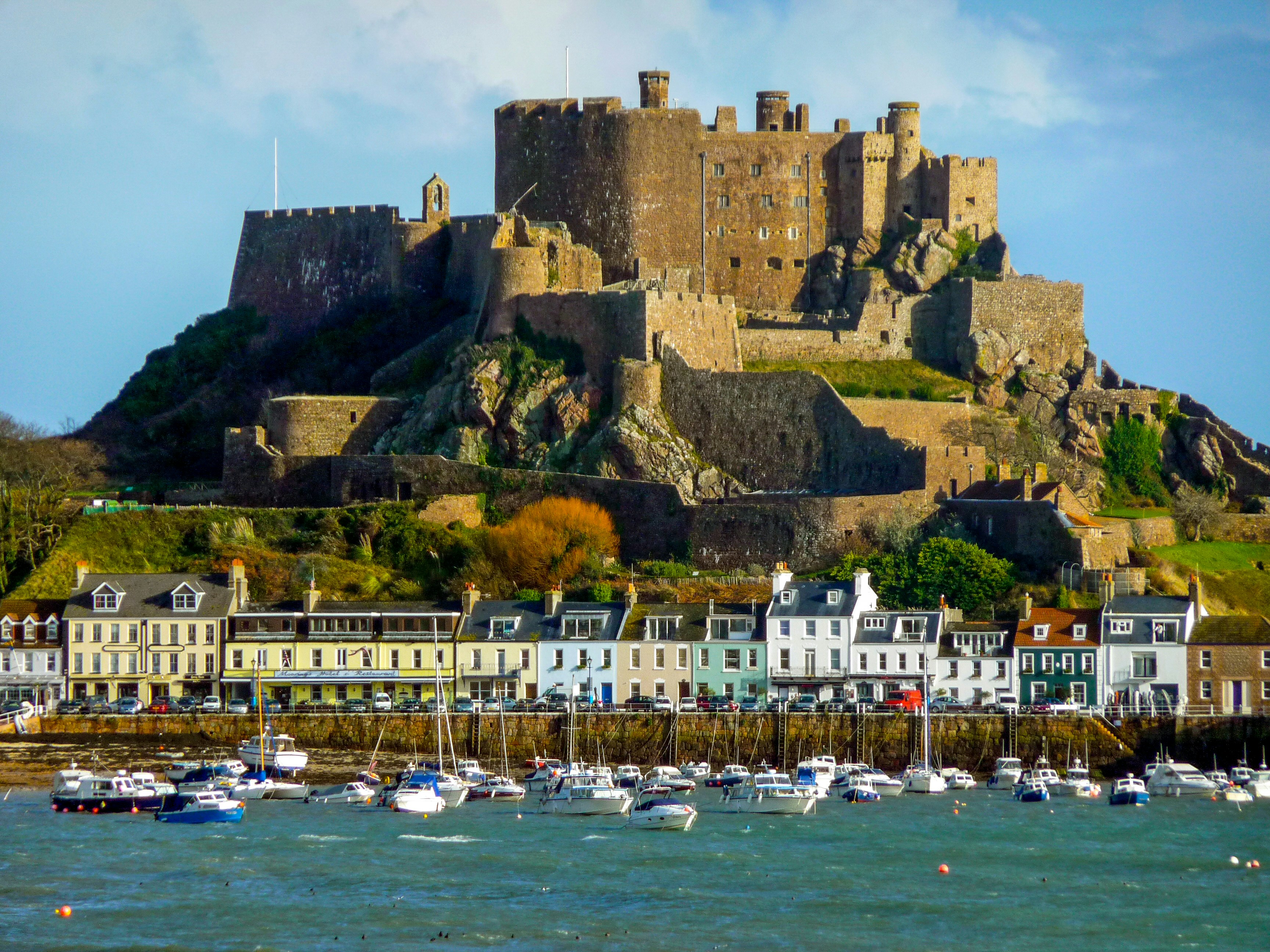
An old hotel was my home for the summer. Stationed on one of Jersey’s most beautiful bays beside a Nazi watchtower, history surrounds any visitor to the island. The hotel itself had been repurposed again and again, conforming to the historical period of the island with each refurbishment. As a receptionist, I was expected to confidently recall this history to any guest who asked, despite being a tourist myself. My bedroom was in the older staff blocks. I was very aware of the other bodies who had passed through and made their home there for a couple of months.
At 21, I was younger than much of the staff by a significant amount, but quickly learned that age means little in terms of company in such a remote place. Two of my drinking partners were the chef, in his thirties, and the sixty-year-old maintenance man. They could have a laugh and liked a drink as much as I did. They weren’t ‘good’ people, if there is such a thing: they made lewd comments about women and were totally immoral and a-political (in a way that is, of course, completely political). But these things had to be forgiven to avoid the loneliness of my ancient room.
My time in Jersey forced me to confront the value of my youth. More than money, more than experience, and more than intelligence, having time ahead of you – pure potential – is a currency for which all other things are ultimately exchanged. Though completely intangible, time and youth are qualities possessed like any other. The chef and the maintenance man would talk about the things they ‘had done’ that got them to that point in their life and the things I ‘should do’ with the rest of mine. They seemed excited by this possession of mine, and, in a darker light, there was also an apparent envy, when they would dismiss me or patronise my excitement for something in that future.
Another unlikely friend I made was Anne, not a staff member but a regular at the spa. She was about seventy years old and was Irish like myself, but from a Protestant background, I had gleaned from our conversations. I never heard why, how or when she ended up on the island. I didn’t know if she was married or had been married or if she had family there. After her swim, she had a habit of coming to the desk for a chat with the concierge. The first one of these conversations I was included in I learned that she was well travelled and very passionate about it. The concierge became occupied by a guest, and so she turned to me to tell me about her last trip, a few years back, to Italy. Through more of these chats, she took a shine to me, and we began to talk regularly.
An Irish habit, Anne would say goodbye five times before the end of a conversation.
“Well, I’ll be off,” she said, “I have a funeral to get to. It’s all funerals now.”
I empathised, unsure of what to say. “That’s really difficult,” I offered, meekly.
“And, you know, I’m too afraid to travel now. You know, at my age it’s more difficult to travel.”
I empathised again, careful not to disagree or offer superficial assurance.
“Have you read Mark Twain?” she asked. I said I had not in all honesty.
“I received a postcard from a friend a few years ago with a quote from Mark Twain on it and I always keep it with me. It says, ‘Though I leave no forwarding address, I may still walk among you.’”
I sat with the grim sentiment. She repeated, “Though I leave no forwarding address, I may still walk among you.”
“Well, I’ll be off. I have a funeral to get to.”
Image: Unsplash





Leave a Reply