
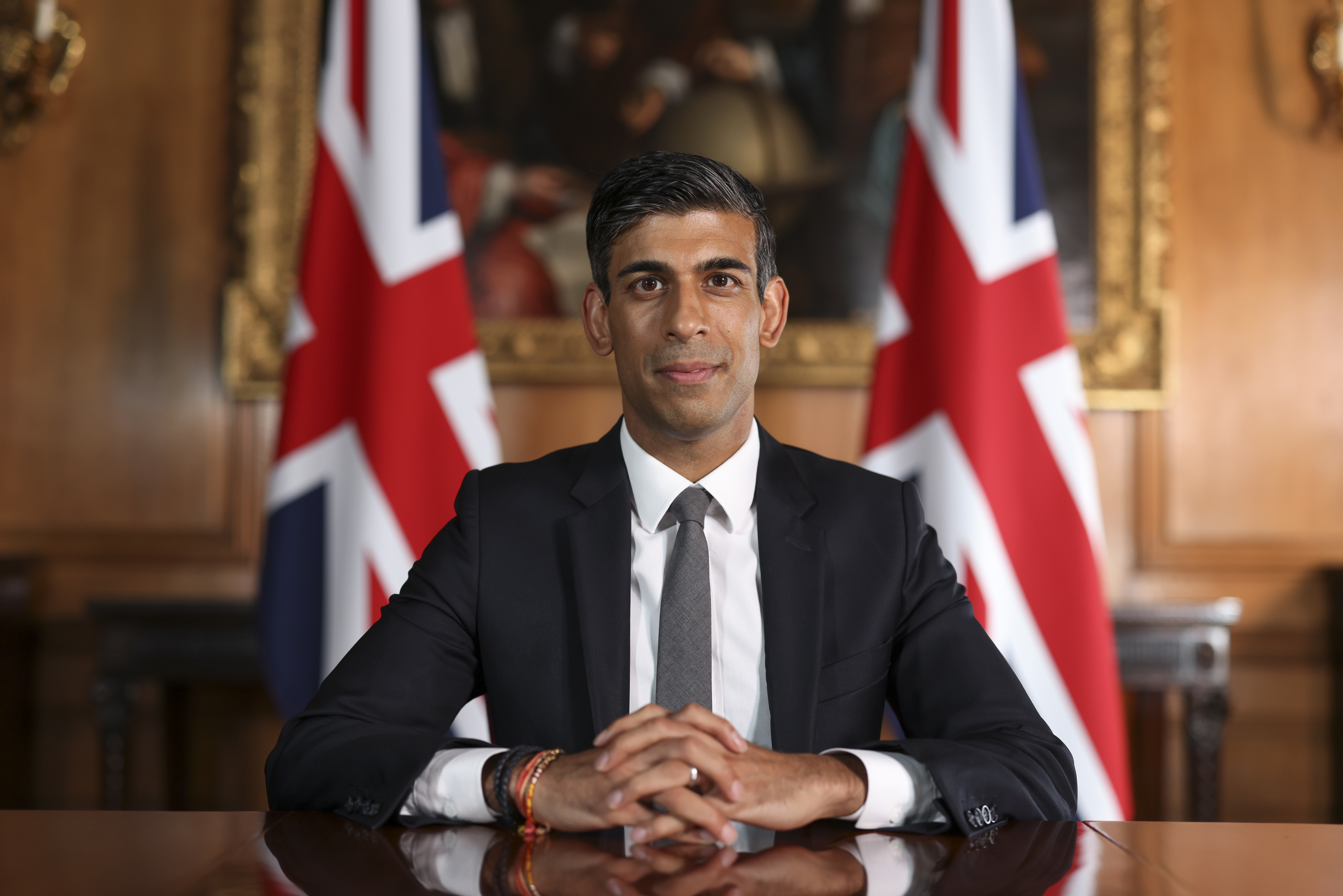
The Conservative and Unionist Party is one of the major political parties in the United Kingdom. Founded in 1834, it is the oldest political party in the country (and Europe) and has been a dominant force in British politics for nearly two centuries. The party’s ideology is traditionally rooted in conservatism, emphasising free market policies, a robust national defence, individual civil liberties, and a commitment to maintaining ‘social order and stability’. Over the years, the Conservative Party has evolved to address contemporary issues while maintaining its core principles of ‘fiscal responsibility’, continuous economic growth, and strong national security. The party has produced several notable Prime Ministers, including Winston Churchill, Margaret Thatcher, and, more recently, Boris Johnson. The Conservative Party seeks to “balance tradition with progress”, advocating for policies that promote economic prosperity, national unity, and the well-being of all citizens.
2024 General Election Manifesto – Key Points Summary
Healthcare
- Investments and Modernisation: and improvement in rural and coastal healthcare.
- Dental Services: 2.5 million more NHS dental appointments and reforms to the dental public-private contract.
- NHS Workforce: 92,000 more nurses and 28,000 more doctors by the end of the next Parliament (2029), with a focus on improving working conditions.
- Mental Health: Expand Mental Health Support Teams to all schools and colleges by 2030, establish early support hubs, and increase capacity for NHS Talking Therapies.
Housing
- Home Building: Deliver 1.6 million homes in the next Parliament, abolition of legacy EU ‘nutrient neutrality’ rules to unlock 100,000 new homes, and investment in infrastructure for new housing.
Economy
- Debt and Borrowing: A commitment to reducing borrowing and debt, maintaining fiscal rules to ensure public sector net debt falls and is below 3% of GDP.
- Business Support: Extending the ‘full expensing’ policy, not raising corporation tax, abolishing the main rate of National Insurance for self-employed, and a ten-point plan to support SMEs (Small and Medium Enterprises).
- Trade: Completing free trade agreements with India and the Gulf Cooperation Council and maintaining high standards for imported food and drink products.
Education
- Academies and Free Schools: Expansion of strong academy trusts and free schools, lifting the cap on faith schools, and rebuilding schools identified with RAAC.
- Special Educational Needs: Creating 60,000 more school places for children with special educational needs and delivering 15 new free schools.
- National Service: Introduction of modern National Service with options for civic or military service.
- Childcare: 30 hours of free childcare a week for children from nine months to school age, increasing hourly funding rates and providing wraparound childcare.
- Higher Education: Scrap ‘Mickey Mouse’ degrees (generally understood to mean ‘economically inefficient’) and
Climate Change
- Energy Efficiency: Investment of £6 billion in energy efficiency over the next three years and a voucher scheme for energy efficiency measures and solar panels.
- Onshore Wind and Solar: Democratic consent for onshore wind projects and support for solar installations on brownfield sites and rooftops.
- Food Security: A legally binding target to enhance food security and support sustainable agriculture.
Transport
- Speed Limits and Local Consent: The’ Backing Drivers’ Bill expanded to include Wales and require local consent for 20mph zones.
Crime
- Policing and Sentencing: Additional neighbourhood police officers, harsher sentencing, and improving comparability of data across the UK.
- Justice for Victims: Support for police and security services, focusing on reducing violent and neighbourhood crime and addressing reoffending.
Taxes
- Tax Cuts: Cutting some taxes for businesses, maintaining the current corporation tax rate, and abolishing the main rate of National Insurance for self-employed by the end of the next Parliament.
- Child Benefit: Changing the basis for Child Benefits from individual to household income to “benefit over 700,000 households”.
TO NOTE: The IFS (Institute for Fiscal Studies) has said many of the Conservative’s Tax and Spend pledges lack “an overall plan” and critique the party for “avoiding reality” alongside similar remarks about the Labour Party.
Immigration
- Legal Cap and Controls: The introduction of a binding legal cap on migration, the increase in visa fees, and the removal of student discounts from the Immigration Health Surcharge.
- Skilled Migration: Attracting skilled migrants while ensuring economic integration and participation and delivering the Windrush Compensation Scheme.




Leave a Reply