
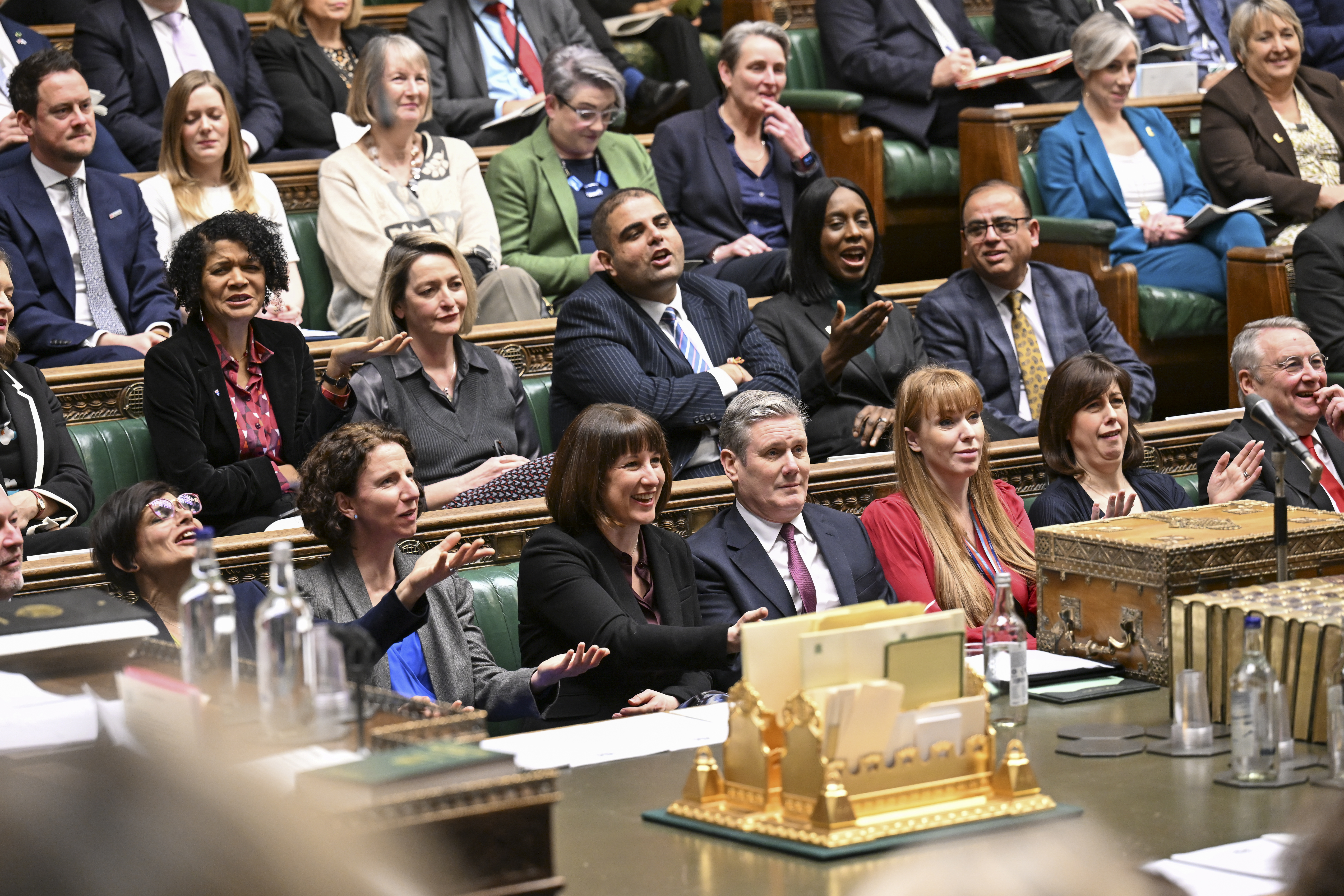
The UK Labour Party, founded in 1900, is one of the country’s major political parties. Rooted in the labour movement and socialist principles, it has historically championed workers’ rights, social justice, and economic equality. The party has played a substantial role in shaping modern British politics, notably establishing the National Health Service (NHS) and implementing extensive welfare state measures during its post-World War II government. Labour has oscillated between traditional socialism and more ‘centrist’ approaches, particularly during the New Labour era under Tony Blair and Gordan Brown (1997-2010). Today, the party continues to advocate for some ‘progressive policies’, including some public ownership of services, moderate climate action and increased social welfare.
2024 General Election Manifesto – Key Points Summary
Healthcare
- Cut NHS Waiting Times: Introduce 40,000 more appointments every week.
- Double Cancer Scanners: Increase the number of cancer scanners to improve early diagnosis.
- Dentistry Rescue Plan: Provide 700,000 urgent dental appointments and reform the dental contract.
- Mental Health Staff: Recruit 8,500 additional mental health professionals.
- Return of the Family Doctor: Ensure patients can see the same GP for ongoing conditions.
- National Care Service: Create a service underpinned by national standards to ensure consistent, high-quality social care.
Housing
- Build 1.5 Million New Homes: Reform the planning system “to meet housing needs”.
- Affordable Housing: Increase the availability of affordable homes through “strategic” investment and policy changes.
Economy
- National Wealth Fund: Invest £7.3 billion to create jobs and stimulate economic growth.
- Devolution and Local Empowerment: “Empower” local authorities to drive economic development.
- Fiscal Responsibility: Maintain “strong fiscal rules” to ensure economic stability, balance the budget, and reduce debt.
Education
- Childcare and Early Years: Implement “reforms” to provide “equal opportunities” for all children.
- Skills and Training: Enhance overall education standards nationally to prepare children for the future economy, including digital literacy and technical skills.
- End Tax Breaks for Private Schools and redirect funds to state education.
Climate Change
- Zero-Carbon Electricity by 2030: Invest in renewable energy sources such as wind, solar, and nuclear power.
- ‘Great British Energy’: Establish a publicly owned company to lead in clean energy production.
- Warm Homes Plan: Improve energy efficiency in homes to reduce bills and emissions.
Transport
- Sustainable Transport: Invest in public transport infrastructure to reduce carbon emissions and improve connectivity.
- Infrastructure Improvements: Focus on repairing and upgrading roads and railways for better efficiency.
Crime
- Neighbourhood Police: Increase the number of community police officers.
- Harsher Penalties: Introduce “stricter penalties” for violent crime and repeat offenders.
- Youth Hubs: Establish ‘youth hubs’ to provide support and opportunities for young people.
Taxes
- Crack Down on Tax Avoidance: Close loopholes and ensure fair taxation.
- Windfall Tax on Oil and Gas Giants: Use the revenue to fund clean energy initiatives and reduce bills
- Fair Pay Agreements: Implement agreements to ensure fair wages across sectors, starting with adult social care
TO NOTE: The IFS (Institute for Fiscal Studies) has said many of Labour’s Tax and Spending pledges lack transparency and critiqued the party for its “trivial” attitude in avoiding discussing “inevitable looming cuts,” alongside similar accusations towards the Conservative Party.
Immigration
- Reform Asylum System: Make it more efficient and fair.
- Border Security Command: Establish a new command to strengthen border controls and security.
- Reduce Dependency on Overseas Workers: Focus on training local workers to fill skill gaps.





Leave a Reply