
What do maxi skirts, unemployment, and inflation have in common? They’re all potential indicators of impending economic recession.
It might sound far-fetched, but fashion trends can predict widespread financial downturn. Scrolling your for-you-page, or browsing high-street stores, you might’ve noticed a surge in maxi skirts and full-length dresses, business-casual shirts, formal stripes, and fitted, minimalist silhouettes.
These all fit into an emerging corporate fashion trend – workwear as casual attire. Data scientist-turned-fashion analyst Madé Lapuerta (@databutmakeitfashion) correlates trending office wear, minimalism, and longer hemlines with market recessions: she found maxi skirts increased in popularity by 393% alongside mid-March US market losses.
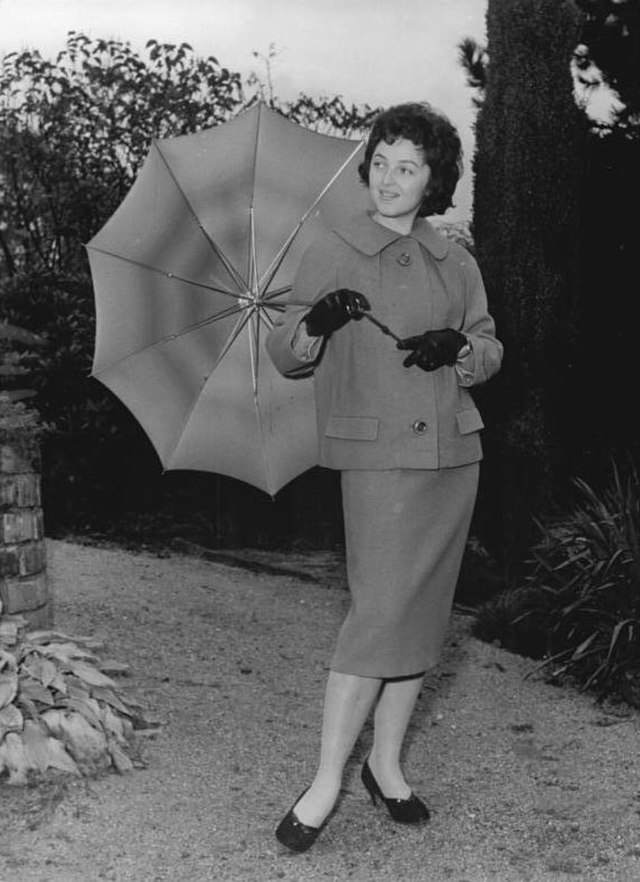
Skirts and stocks have been linked for nearly a century, according to the “hemline index”, which suggests that hemlines rise and fall with market prices. Economy grows, skirts shrink. Economy shrinks, hems drop. Lapuerta adds that the correlation exists in menswear, too.
So, what consumer choices drive this trend? There’s an element of personal flex, using fashion to broadcast employment or employability to unstable job markets. It’s partly nostalgia, aestheticising the dwindling in-person office environment in an increasingly hybrid/remote working world. It’s savvy, too: multi-purpose garments and outfits save space and money. And every resurgent trend cycle brings a new generational spin. For Gen Z we see the “office siren” look, although professional suitability for some TikTok interpretations is dubious at best.
Socially speaking, there’s another possible influence, and it’s worth paying attention to: politics. Recently, we’ve seen a rightward shift in Western politics and the international ripple effect of the Trump administration’s conservative intolerance. Modest and minimal fashion historically precede recessions, sure, but what happens when those recessions are linked to extreme or authoritarian governments?
This is where objective analysis shines. Understanding the many and varied reasons a trend might form and expand lets individuals make personal, informed choices about the clothes we wear and the cultural implications. Lapuerta explains to Vogue: “Just because something is trending doesn’t mean everyone should like it or wear it. But it helps to know.”
Another recession-fashion phenomenon is the “quiet luxury” trend. Cost of living crisis, polarising poverty statistics, and global supply uncertainties means extravagant maximalism is out, understated elegance is in. Luxury, high-end purchases are scaling down to smaller, discreet items: logo lipsticks are up 108% (@databutmakeitfashion). This might explain the bizarre PrettyLittleThing rebrand from party and festival vibes to a muted heritage aesthetic (as ‘heritage’ as 100% polyester can ever be).
While I love a good trend analysis as much as the next fashion nerd, this one leaves me with mixed feelings.
Brands promoting grace, considered purchases, versatile pieces over single-wear, and quality production: big yes in my book.
Aestheticising labour, discouraging alternative expression, and corporations profiting off economic anxieties of the working/consumer classes? Not so much.
But like any trend, it all depends on the shoppers. On what we choose to buy, wear, and post online; not just what’s flooding the shelves. And if recession allows businesses to profit, it also allows (maybe even requires) innovation from individuals. Wear your hemline where you want, not just the market line.
Photo Credit: Wikimedia Commons





Leave a Reply