

Modern metal music is a huge trend online right now with bands like Deftones, Sleep Token and Bad Omens leading the revival. Thanks to social media apps like TikTok, people are being introduced to this genre of music that they might not have discovered naturally. But now, songs like “Sextape” and “The Summoning” are being used in their thirst traps. Why is this?
This type of music has always been popular and songs like “Closer” by Nine Inch Nails, released in the 90s, prove this. Although, Deftones has been the biggest instigator of the trend and people just can’t get enough of Chino Morenos whiny vocals. So much so, the band are still inspiring up-and-coming artists after all these years. Alternative musician Jutes is the perfect example; describing his songs “SMUT” and “Safeword” as, “50 shades of grey but make it heavy.”
Stray From the Path drummer, Craig Reynolds created the term “baddiecore” to describe this new wave of modern metal music; saying it’s “… metalcore with enough pop music crossover and sex appeal that normie hot people like it.” This would be applicable to bands like Bad Omens who create a heavier rock and metal sound with an incorporated groove. By creating this blend of pop-accessible, sensual music, it’s inviting new people into the subculture that wouldn’t have taken an interest otherwise. It also just so happens that most of these people are women.
The desire for a goth girlfriend has become a leading stereotype. That’s not to say that people aren’t genuinely attracted to people within the subculture or just have a type that they look for in a partner, but the fetishisation of women rather than being genuinely interested in them, isn’t the way to go about it. It’s not uncommon for alternative presenting women to receive these hypersexualised messages because of this trend; just because I’ve got facial piercings and tattoos on my arms, doesn’t mean you can ask me if I’ve got any you can’t see. Unfortunately, the issue of objectification within the music subculture isn’t new but it can be very dehumanising to the people who have a genuine interest in the music.
The representation of metal music can be frustrating as it seems to either display a culturally diverse community or appreciation based off superficial qualities like looks and dress sense. Many women are claiming they “need a guy in a band.” This is after the romanticisation of anonymity and masks which has been dominating social media due to bands Sleep Token and Ghost. When looking at Instagram comments on some of the leading metal bands posts, they’re flooded with hypersexualised comments; many women asking the members to ruin their lives for simply standing on stage with a microphone or a guitar, doing what they love.
Female fronted bands like Spiritbox are leading the modern metal genre now and are at the forefront of the reclamation, inspiring women and young girls to continue expressing themselves however they feel comfortable, whilst creating a safe space at their shows. However, this activism isn’t new. Vivienne Westwood took back the sexualisation of women in alternative music scenes using her fashion designs in the 80s punk era. Her designs are still used, even commercially, on runways today!
While the over-sexualisation and objectification of people isn’t acceptable, having desires is not inherently wrong; provided they are expressed respectfully and consensually, in ways that make everyone involved comfortable. Perhaps social media representation has shifted the metal scene slightly, but is this necessarily a problem if it brings more listeners into the fold? I would argue that for a genre that thrives on inclusivity and being different from the rest, it isn’t.
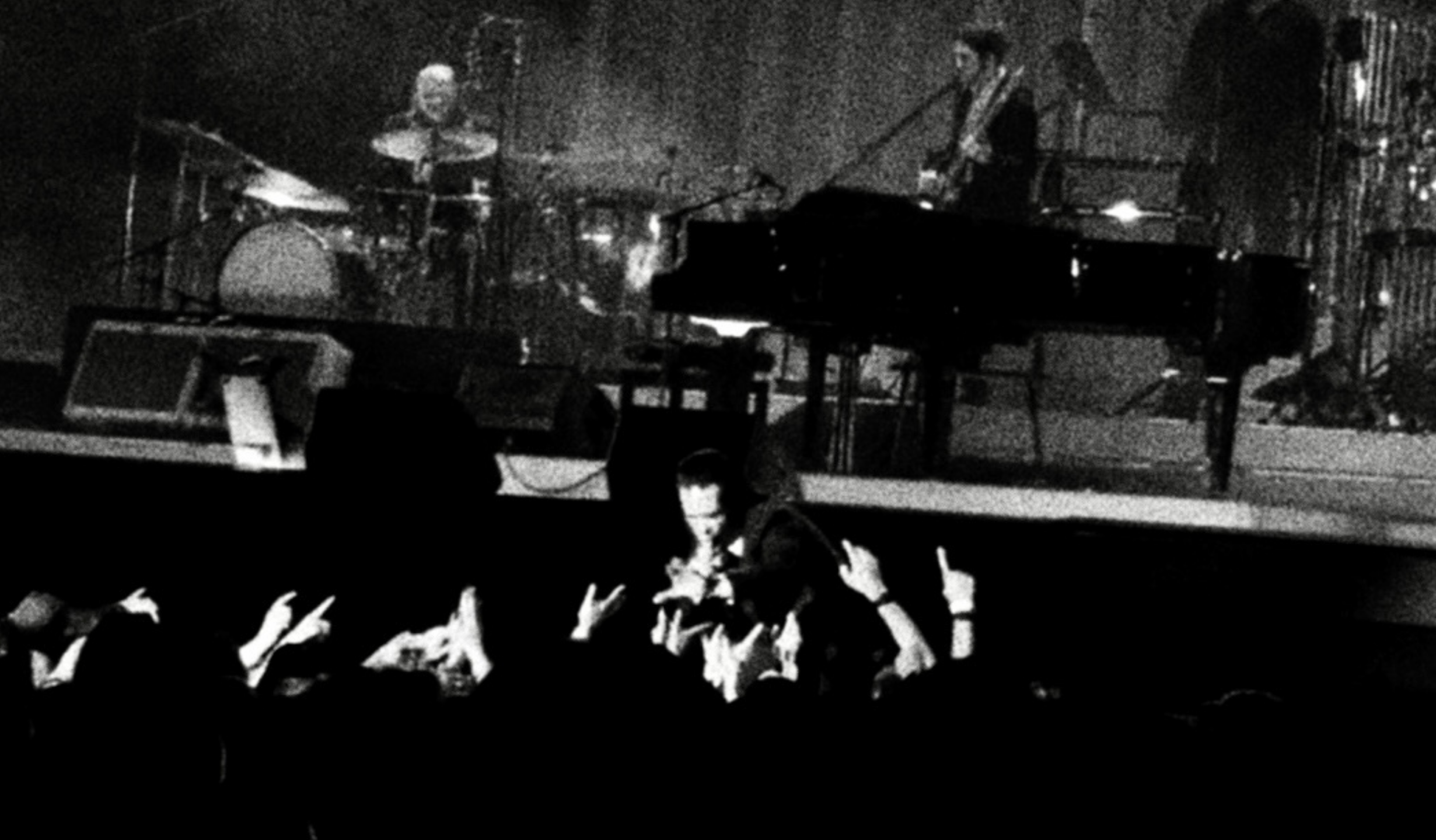
Image credit: Izzy Hollyhead



Leave a Reply