
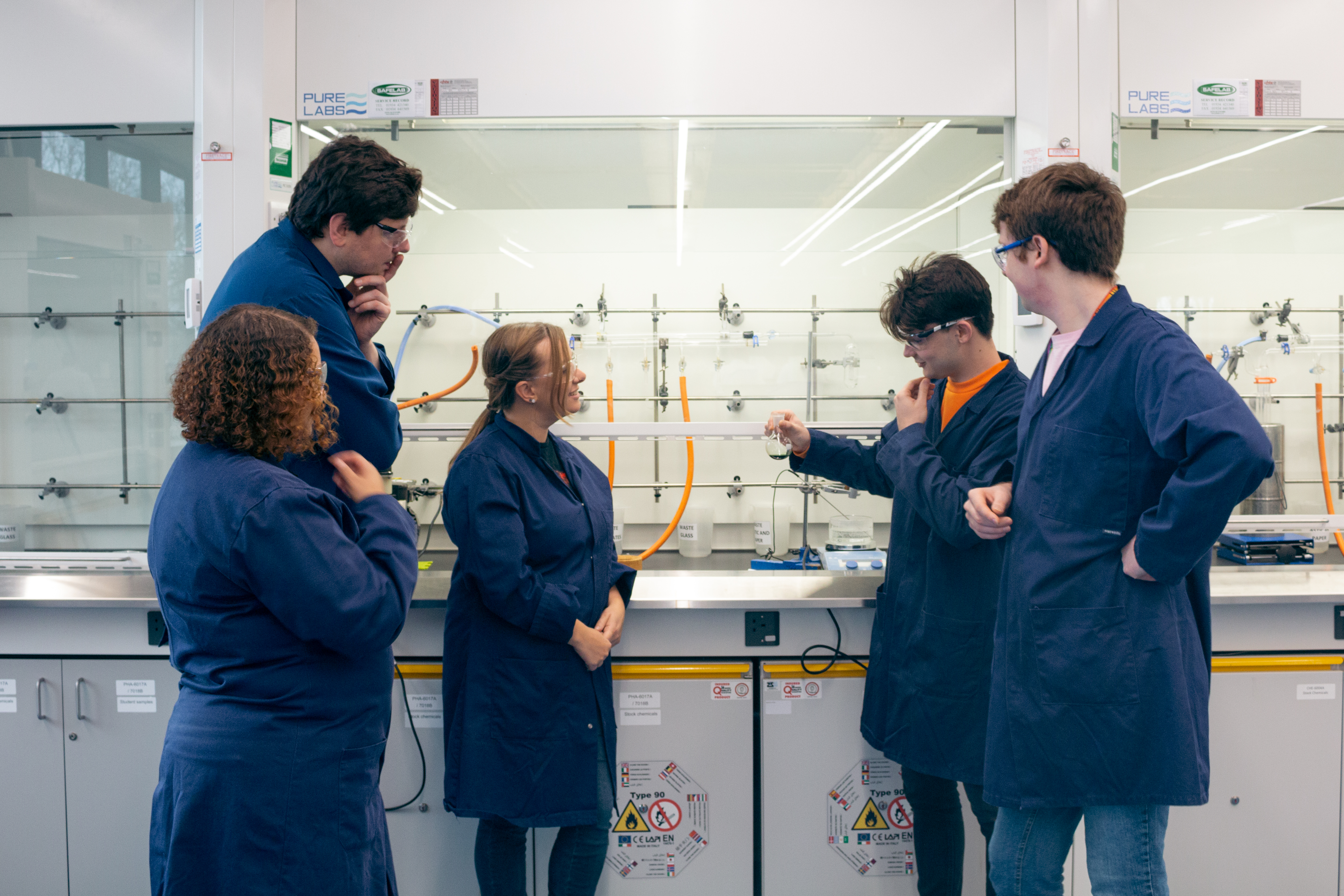
Members of the Lord Research Group are focused on the design of novel metal-based compounds for the treatment or detection of cancer. Since more than 50% of cancers are still treated with non-selective and toxic platinum-based drugs, the group is designing and testing new, less toxic metal-based drugs, made from bio-relevant metals. Specifically, they are interested in understanding vanadium-based drugs, as vanadium is a metal which exists in foods (30 mg/kg), such as mushrooms, black pepper, parsley and drinking water. With an average daily intake between 10 mg – 2 mg, and an average body content of approximately 1 mg, meaning the body is more easily able to deal with and metabolise the drug.
What isn’t known about vanadium compounds, is the ability of the metal to target cancer over normal cell types. Some of the group members are working on exploiting the variable vanadium oxidation states, to create hypoxic-activated (activated at low oxygen concentration) pro-drugs. This is due to cancer cells having a hypoxic and reducing environment, which could allow metal compounds to switch oxidation states to create active and more selective drugs. Other members of the group are working on detection, by designing vanadium molecules with specific interactions with biomolecules and/or enzymes that are upregulated in cancers.
I began my PhD in the Lord Research Group in October 2023, and I am working on using computational modelling and docking studies to understand how vanadium compounds interact with various DNA forms. The focus is to find molecules which have specific binding to unusual DNA forms, such as G-quadruplex (guanine rich) and i-motif (cytosine rich) DNA, as these are found in higher quantities in the telomere regions. These telomere regions are at the end of chromosomes and shorten every time a cell divides, or become mutated in diseases such as anaemia, leukaemia, or pulmonary fibrosis, to name a few. Once good binding energies have been obtained, I will be synthesising the proposed vanadium compounds and conducting biophysical studies by UV-vis and fluorescence spectroscopy, to allow comparisons to be made between computational and experimental methods. I will ultimately be investigating their importance in cancer and how vanadium compounds can be used to stabilise these telomere regions for cancer detection.
Image: Concrete/Innes Henry



Leave a Reply