
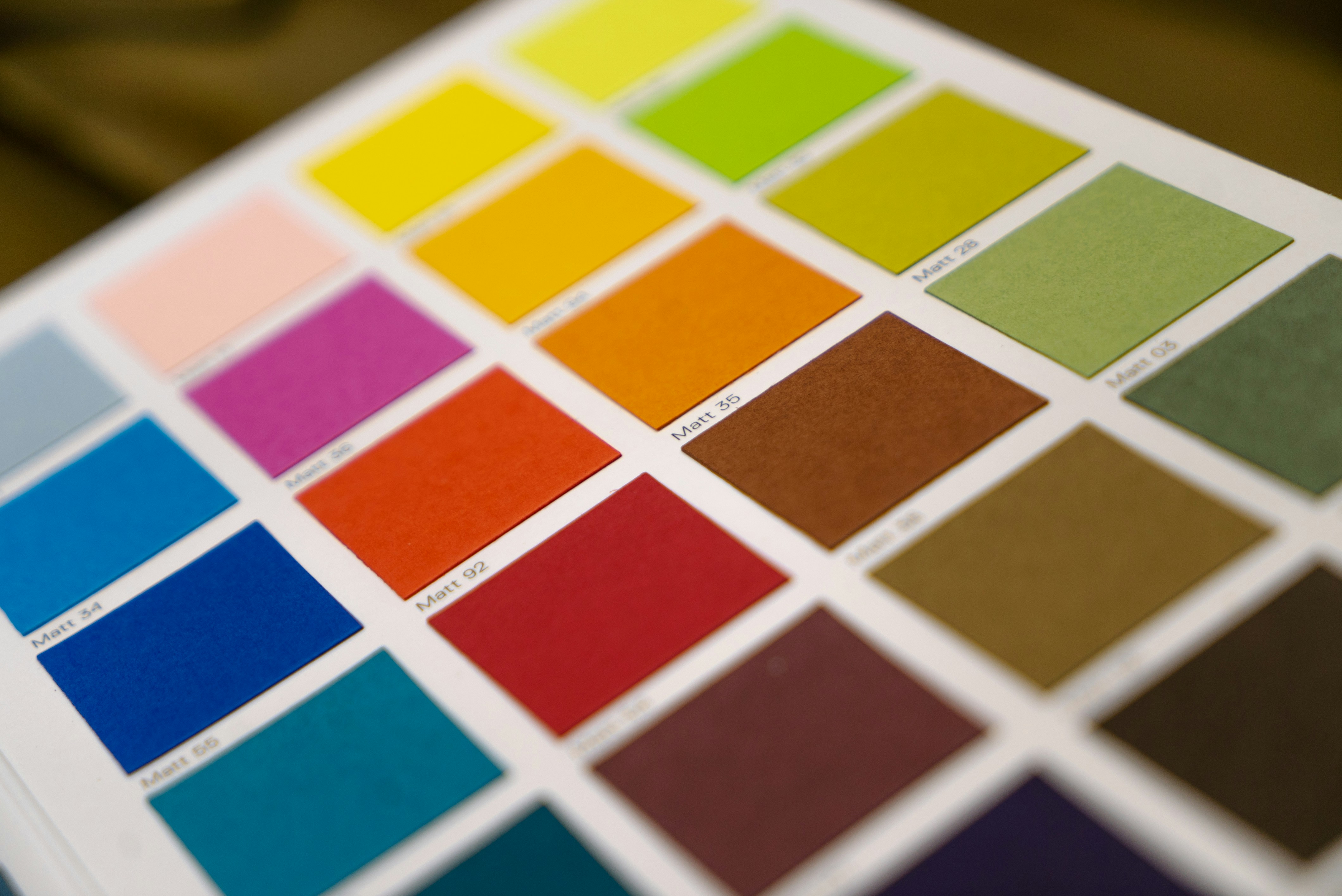
Bright colours play a crucial role in everyday life, offering a striking contrast to the rising trends of the “clean girl” aesthetic and its minimalist, beige-toned palettes. Have you ever noticed how a pop of colour can instantly lift your mood, transform a room or elevate an outfit? Whilst muted tones have dominated recent trends and create a sense of calm and simplicity for many, bright colours can shape our emotions, styles and spaces in unexpected ways.
Colours can have a psychological effect on us by triggering different moods and emotions. General associations with colours of different moods and emotions are somewhat subjective, and specific interpretations can vary across cultures.
Generally, warm tones evoke emotions associated with comfort and warmth as well as love and anger. I was intrigued to learn that orange is often seen as the colour of extroverts, symbolizing optimism and self-confidence. Because it stimulates mental activity and encourages social interaction, orange is an excellent choice for spaces where people gather, as well as for outfits in spaces that encourage collaboration. Perhaps from now on, I’ll keep orange in mind for outfits on days where I have a seminar or a night out when I’m keen to meet some new people! I realised I was a person who chooses clothing based on individual pieces rather than pre-planned outfits, so dopamine dressing was a revelation. No longer do I agonise over whether a multicoloured striped shirt and bright blue checkered trousers necessarily “go together”. While it is undoubtedly satisfying when two perfect pieces go together, I realised I was holding on to too many pieces in the hope that they would someday match more than just one specific outfit. When you dress for yourself – without worrying about conformity and fashion norms (and even interiors!), it feels empowering! Pattern clashing is your friend! Mixing and matching vibrant colours and textures is fun, so dress for joy.
Dr Vien Chung, an Associate Professor of Colour Imaging Science at the University of Leeds, suggests a connection between colour combinations and harmony – they “reassure balance, a pleasing appearance and visual correction”. There’s something undeniably satisfying about how auburn hair pops beautifully with emerald, green, turquoise or blue outfits. Similarly, the classic pairing of pink and green is visually pleasing – perhaps it was revived upon the release of the new Wicked film, but for me it brings a warm sense of nostalgia for the early 2000s.
The ultimate festival for celebrating bright colours in all their splendour, the Hindu festival of Holi is commencing on Friday, 14 March. Known as the Festival of Colours, Love and Spring, it is celebrated by throwing coloured water and gulal (a coloured powder) at one another, symbolising joy and good over evil. The different colours thrown at Holi have their own vibrational frequencies and meanings; red symbolises strength and the life cycle, with green depicting new beginnings and growth. Connecting with people and sharing a unique cultural experience like Holi can greatly benefit our mental health overall, but the integration of colour therapy adds a huge element of fostering feelings of positivity and renewal – bright colours, dancing and socializing all trigger our endorphins and evoke a feeling of optimism.
As students, we juggle busy schedules, academic pressures and the challenges of maintaining a work life balance. Embracing vibrant colours can boost confidence, evoke personal reflection and inspire creativity. In incorporating bright colours in our lives -whether through fashion, art, and cultural experiences such as Holi, – we can benefit out mood and outlook. This spring, don’t shy away from vibrant hues whether you’re dressing for seminars, aiming to boost focus in the library or simply seeking a mental refresh, as it’s a simple way to bring energy and optimism into everyday life.
Photo credit: Unsplash

Leave a Reply